Keys | How are hurricanes measured?
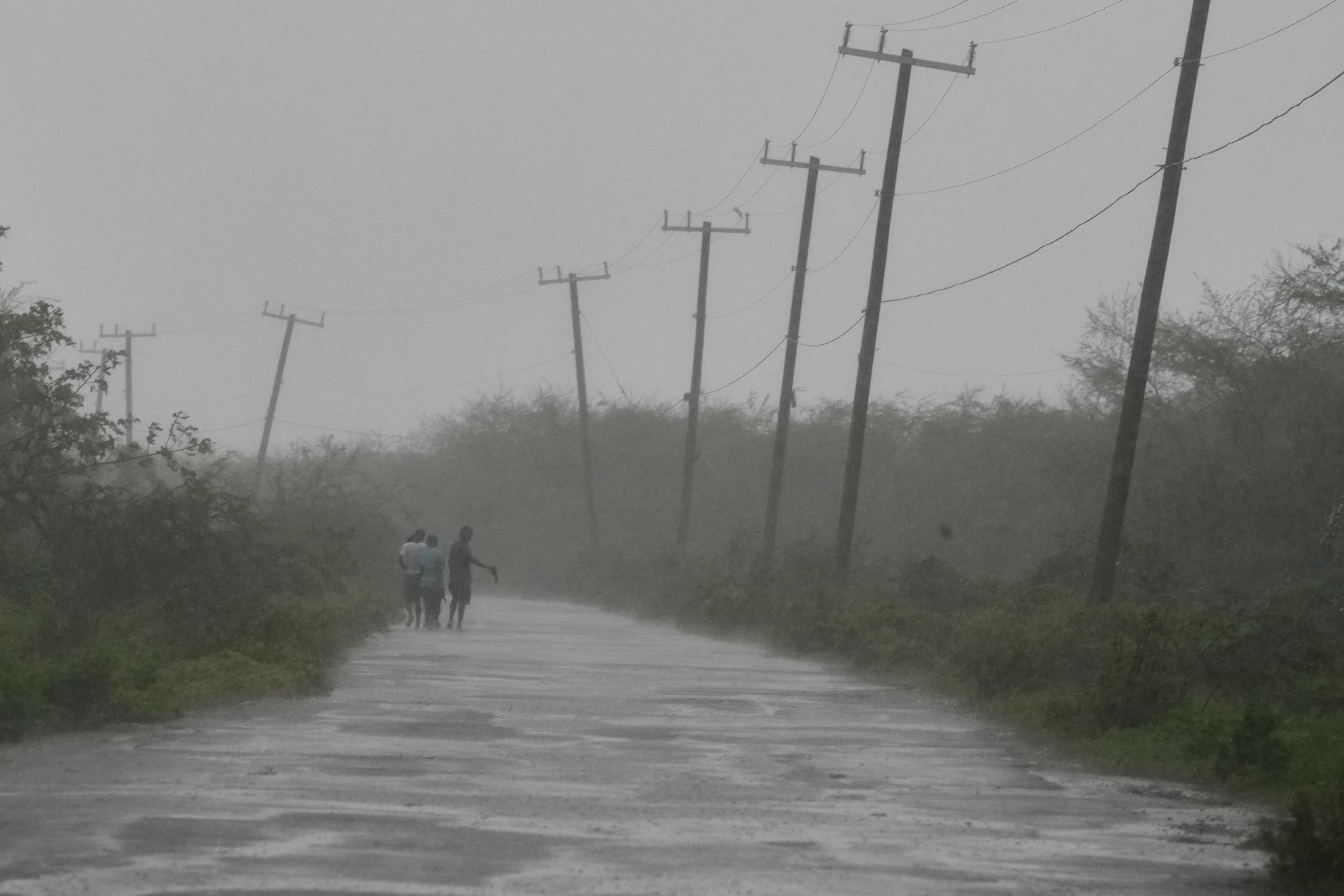
The hurricane Melissacategory five (the highest) on the Saffir-Simpson wind scale, is currently advancing towards Jamaica. Landfall, which is already the biggest storm in the world so far this year, is expected to make landfall in the next few hours, but how are hurricanes categorized?
– What is the Saffir-Simpson wind scale?
This scale divides hurricanes according to the speed of their winds, from 1 to 5. The measurement system is used to determine the possible level of impact of a hurricane.
Damage measured by this scale increases by a factor of four with each category increment, and it rates maximum sustained wind speeds. This measurement system does not include related hazards, such as storm surge or flooding from rain.
All hurricanes pose a threat to life, but those of Category 3 or higher are considered major hurricanes.
– What are the divisions?
Category 1: 119–153 kilometers per hour, very dangerous winds that will cause some damage.
Category 2: 154–177 kilometers per hour, extremely dangerous winds that will cause extensive damage.
Category 3: 178–208 kilometers per hour, devastating damage will occur.
Category 4: 209–251 kilometers per hour, catastrophic damage will occur.
Category 5: 252 kilometers per hour or more, it is the deadliest type.
– How fast is ‘Melissa’?
Gusts of up to 300 kilometers per hour have been recorded, which places the hurricane at the top of the Saffir-Simpson scale. For reference, the hurricane Katrinawhich devastated New Orleans (USA) in 2005 and left almost 1,400 dead, was a category 4. In 2017, Hurricane Ophelia, a category 3 was the most powerful to approach Europe, contributed to fueling the fires in Asturias and Galicia that year.
For more updates, visit our homepage: NewsTimesWire