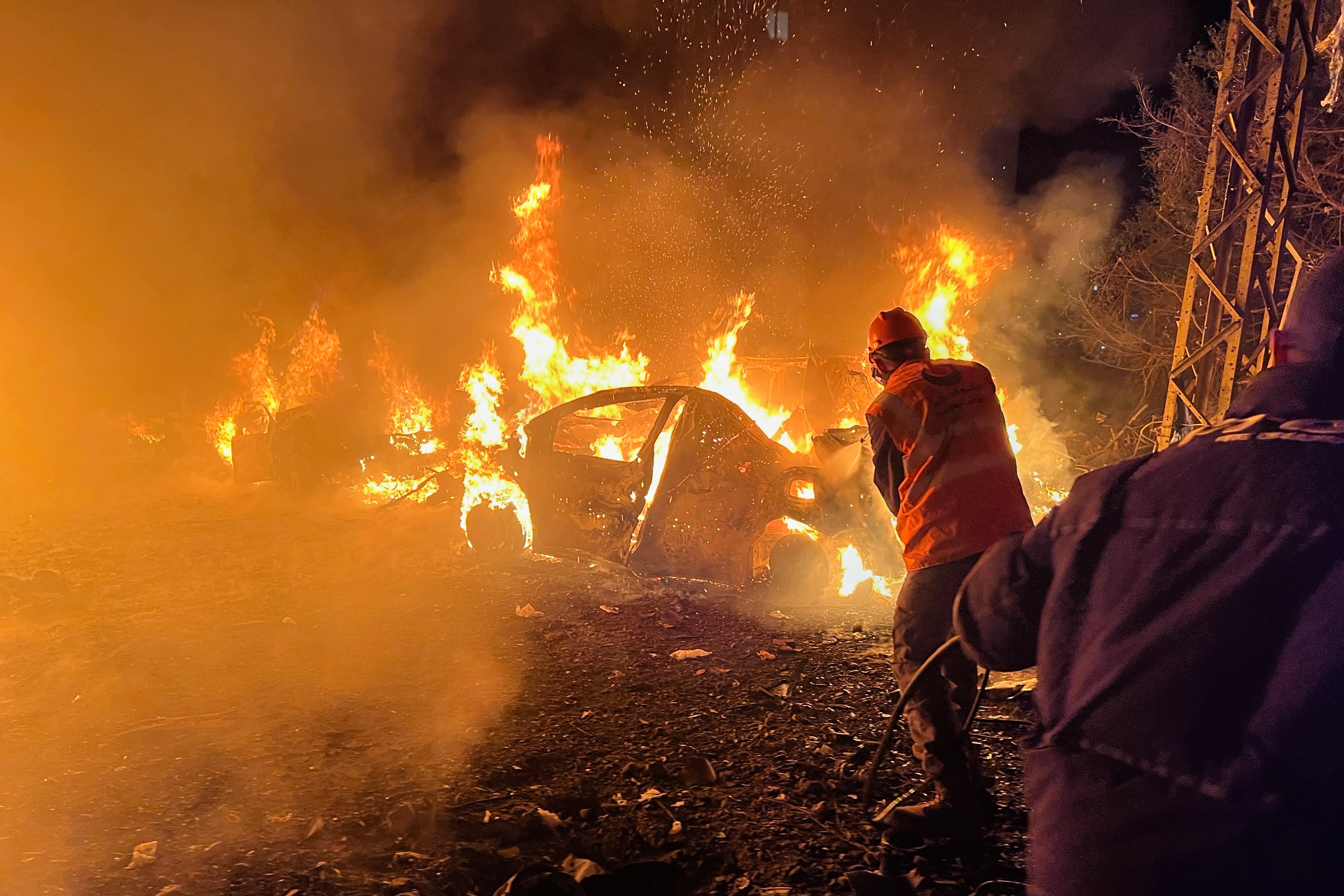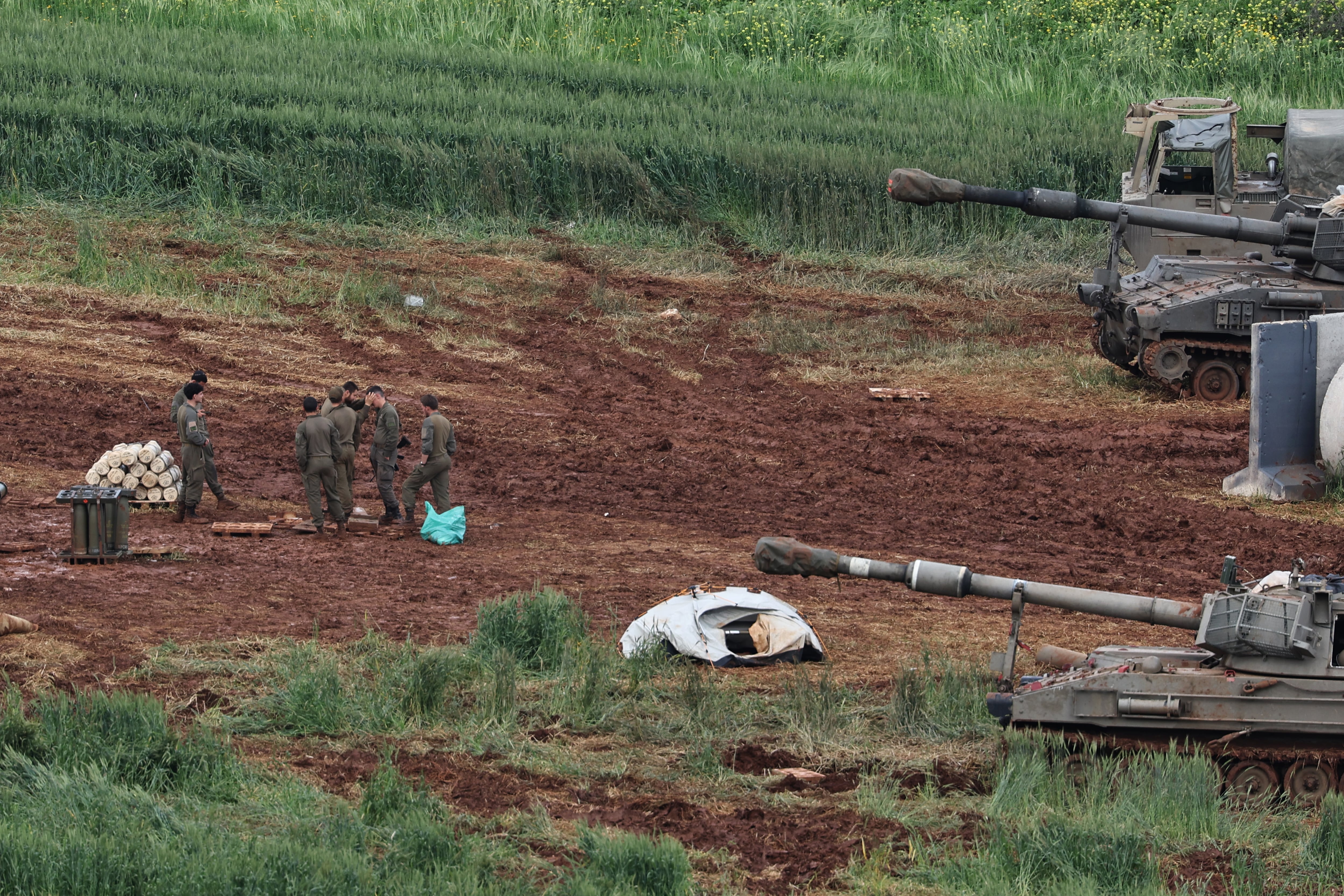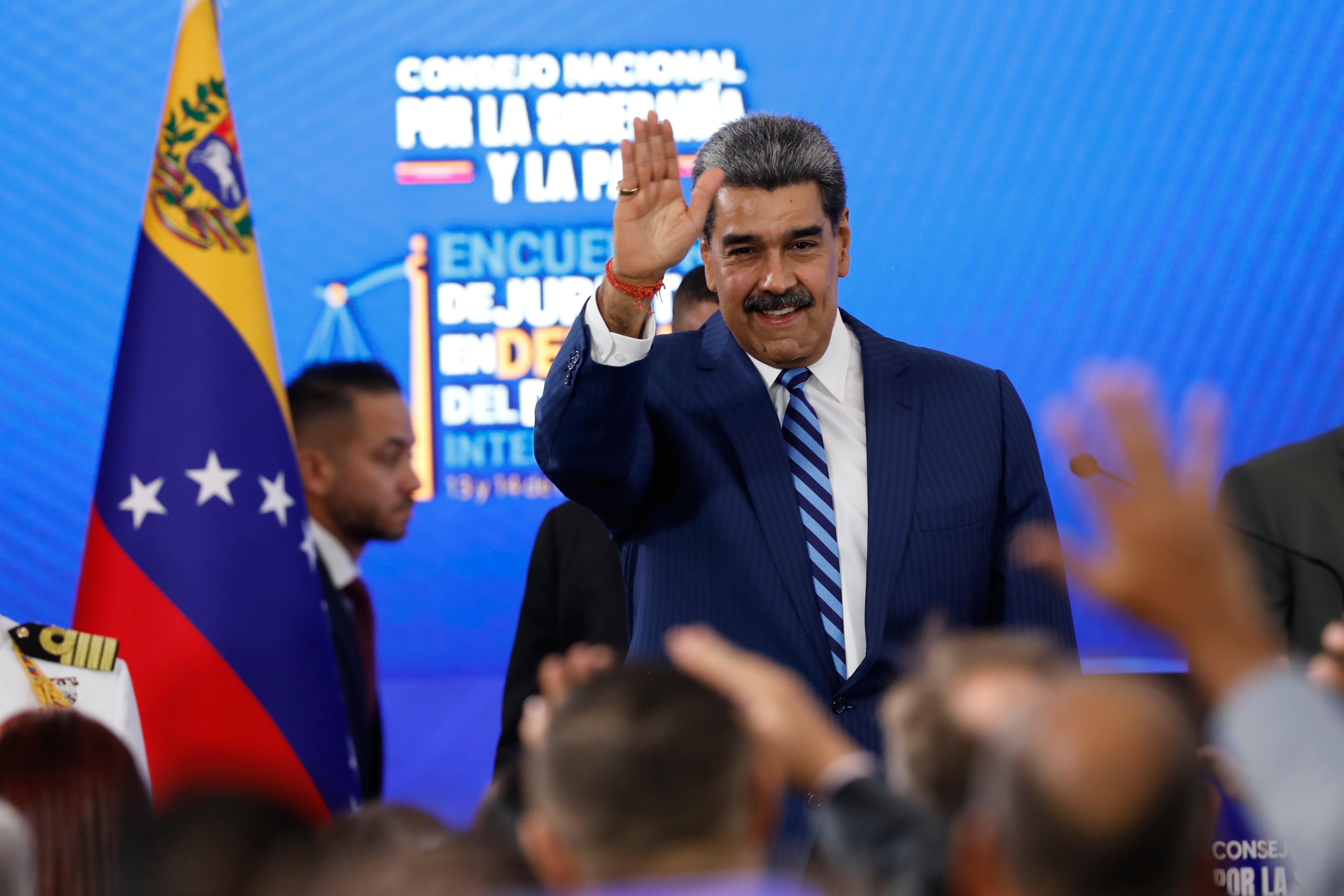
Chavismo holds its breath. While Washington oscillates between ambiguity and threat, the power in Venezuela lives in suspense over the possibility of a US attack. The new statements by Donald Trump, who claimed this Friday to have already made a decision about the next steps of his military campaign in the Caribbean, without revealing which one, triggered new alarms within the regime. Nicolás Maduro, convinced that the United States seeks to destroy him, is trying to decipher what the next move of the unpredictable tenant of the White House will be and warned on Friday that Venezuela will not become “the Gaza of South America.” The regime denounces an “escalation of war” and warns that Washington seeks to force a conflict in the region.
“I’ve already made up my mind… I can’t tell you what it is, but we’ve made a lot of progress with Venezuela in terms of stopping the flow of drugs,” Trump told reporters aboard the ship on Friday. Air Force One. The calculatedly imprecise phrase – and which coincides with the opposition’s predictions that changes are coming – fueled speculation. This same week, opposition leader María Corina Machado, Nobel Peace Prize winner, announced from hiding that “decisive hours” are approaching in the country. The transition, he ventured, “will be peaceful.” His prognosis seems optimistic given the rhetoric and confrontation strategies of both countries.
Analysts who are experts in conflicts such as Venezuela interpret Trump’s announcement as another step in his pressure strategy, but are skeptical about the possibility of an imminent attack. The way out of this escalation, in any case, is devilish: Trump is putting pressure on Maduro with more than 10,000 soldiers a few kilometers from its coasts, but an attack could mean a bloodbath of incalculable dimensions and drag the region into a security and immigration crisis.
Since the Secretary of Defense, Pete Hegseth, announced on Thursday the beginning of Lanza del Sur as a major operation against narcoterrorism, Chavismo has multiplied the messages that speak of “psychological warfare”, a “war escalation” and a plan to turn Venezuela into the gateway for a “colonial” strategy of the United States. A statement from the ruling United Socialist Party of Venezuela (PSUV) marked this Saturday the position of the Chavista leadership: Washington, reads, seeks to “force a war” in a “zone of peace” to extend it “against any country that contradicts its interests.” And meanwhile, Maduro, who proclaimed himself president after the July 2024 elections without having shown the records that accredited him, is preparing for that war. A war with its large doses of intoxication.
The Venezuelan president has mobilized the Armed Forces, the Bolivarian militia and civil forces in 284 battle fronts throughout the territory, from the coasts to the Andean and Colombian borders. Given the disproportionate forces presented by the Americans, the bet includes the deployment of an urban guerrilla prepared to sabotage and sow chaos to make foreign domination difficult in the event of an attack. Maduro has also signed a decree that grants him exceptional security powers: in the event of an intervention, he could mobilize the army throughout the country, assume control of key public services and supervise strategic sectors such as the oil industry.
One of the objectives of the United States pressure strategy was to break the loyalty of the military, but, after weeks of accumulation of US troops, there do not seem to be any symptoms of a break with the Chavista regime.
Politics and its tensions are in the offices. In the streets of Caracas, the climate is completely normal: open markets, yoga sessions, school excursions, Saturdays, morning marathons, restaurants waiting for diners, police directing traffic and towing poorly parked cars.
“The invasion” as a topic of conversation is present in a low voice, and sometimes with intrigue, but no one quite believes that it is a certain possibility. There are people who make jokes about eventuality. No one is capable of imagining such an absolutely extraordinary military event in the politics and history of the country. No one is capable of taking precautions against something they cannot conceive.
Drug trafficking
Trump, who finds in Venezuela a way to divert the focus from his internal difficulties, has proclaimed himself the greatest enemy of drug trafficking, a business that kills thousands of Americans every year. Washington accuses Maduro of belonging to the Cartel of the Suns. He has not presented evidence and the existence of the organization is in question, but it is the framework that has served him to get involved in a “non-international armed conflict” against drug trafficking cartels. The measure allows it to justify military attacks against vessels coming from Venezuela – in the Caribbean – but also from Colombia – in the Pacific.
Since last September 2, the US Army has bombed 20 vessels accused of transporting drugs in which 80 people have died. International law experts have questioned the legality of the attacks, carried out in international waters. Even if they are drug boats, they argue, they would be “extrajudicial executions,” as the UN High Commissioner for Human Rights, Volker Türk, defined them.
This is also how Gustavo Petro, president of Colombia, has described them, whose relations with the United States have reached unprecedented levels of tension due to this military escalation. In fact, on the plane, after referring to the progress in Venezuela in terms of stopping the flow of drugs, Trump expanded his warning: “We have a problem with Mexico. We have a problem with Colombia.” The president has called Petro a “thug” and “drug trafficking leader.” Petro reacts every day in X to the attacks, and has defended that those killed in the bombings, even though they are criminals, are the weakest link in criminal organizations.
For more updates, visit our homepage: NewsTimesWire