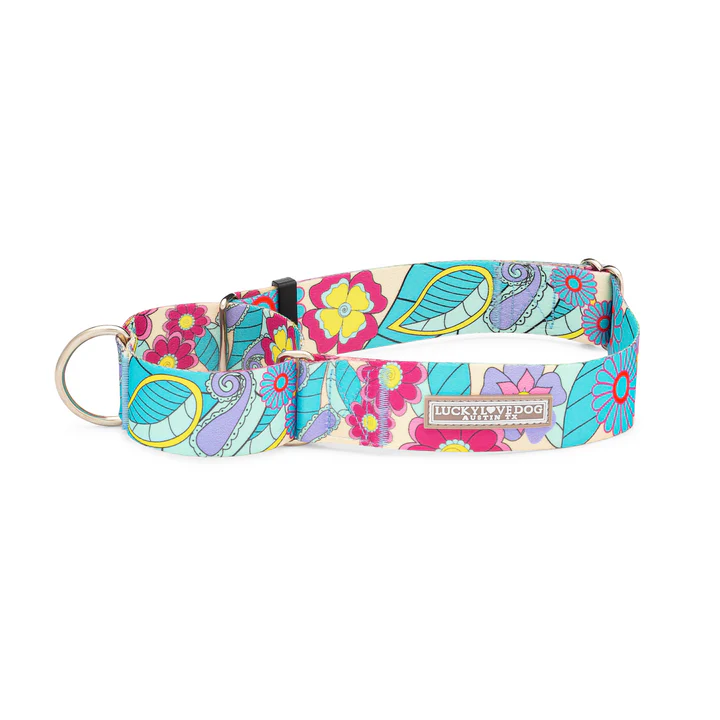
The bond between a dog owner and their companion is built on trust, and maintaining a dog’s safety during walks is paramount. Yet, the fear of a dog slipping out of a standard flat collar—a terrifying situation commonly experienced by owners of “escape artists” or certain breeds—is a constant worry. The highly effective, yet humane, solution to this dilemma is the Martingale Dog Collar.
Known interchangeably as a limited-slip, greyhound, or humane choke collar, the Martingale provides a controlled, gentle tightening action that makes escape virtually impossible without resorting to the harsh, unlimited constriction of traditional choke chains. This intelligent design offers clear, tactile communication to the dog, making it a favorite among professional trainers, rescue organizations, and responsible pet owners.
This comprehensive guide will thoroughly explain the mechanics that make the Martingale collar so secure, provide the essential steps for accurate fitting, and detail the various material options available, ensuring you can choose the safest and most comfortable gear for your dog.
Understanding the Anti-Escape Mechanism of Martingale Dog Collars (H2)
The security and effectiveness of the Martingale dog collars stem from their unique construction, which involves two loops working together to provide limited, controlled constriction.
The Two-Loop System Explained
A Martingale collar consists of two main parts:
The Primary Loop: This main section goes around the dog’s neck. When the dog is relaxed or the leash is slack, this loop remains loose and comfortable.
The Control Loop: This smaller, secondary loop is where the leash attaches via a D-ring. This loop is the mechanism that engages the tightening action.
The Principle of Limited Cinch
When tension is applied to the leash (either by the dog pulling forward or backward, or by the owner giving a correction), the control loop pulls on the primary loop.
Secure Stop: The collar is precisely fitted so that the primary loop can only tighten to a safe, predetermined point—the exact circumference of the dog’s neck behind the ears.
Humane Function: This limited tightening prevents the collar from closing completely, thus eliminating the choking hazard associated with old-fashioned slip collars while still providing enough pressure to make backing out impossible. The pressure is also distributed evenly around the neck, unlike a buckle collar which concentrates force at the front.
Why Martingale Dog Collars Are Essential for Certain Dogs
While suitable for almost any dog, Martingale collars are considered indispensable for certain anatomies and temperaments.
Ideal for Sighthounds and Narrow-Headed Breeds
The Martingale dog collars were originally designed for breeds like Greyhounds, Whippets, Salukis, and other Sighthounds.
Anatomical Necessity
These dogs have necks that are wider and thicker than their heads. A standard buckle collar can be effortlessly slipped over the dog’s head with minimal effort or fright. The Martingale’s tightening action ensures that once tension is applied, the collar cinches to the narrowest part of the neck, making escape impossible.
The Solution for Escape Artists and Anxious Dogs
Many dogs, regardless of breed, become “Houdinis” when they are startled, anxious, or reactive. They will flatten their ears and pull back forcefully to escape their restraint.
The immediate, limited tightening provides a safe, clear signal to the dog that their attempt to back out is futile. For fearful or anxious dogs, this added security gives the handler confidence and prevents a panic-induced dash, which could lead to injury.
Precision Fitting: Sizing Your Martingale Dog Collars Correctly
The safety and effectiveness of a Martingale collar depend entirely on a precise fit. An improperly adjusted collar is either uncomfortable or ineffective.
The Two Critical Measurements
To size your dog correctly, you need two measurements taken with a flexible tape measure:
Widest Head Measurement (A)
Measure the circumference around the largest part of your dog’s head, just in front of the ears. This determines the minimum size the collar must be able to open to, allowing it to be slipped over the head.
Narrowest Neck Measurement (B)
Measure the circumference right behind the ears. This is the maximum safe tightness the collar should reach when fully cinched.
The Two-Finger Safety Adjustment
Once the collar is on the dog’s neck and the leash is attached:
-
Adjust the primary loop using the sliders so that when the control loop is pulled taut (mimicking the dog pulling), the two slides on the main loop meet, but do not touch.
-
There should be a comfortable gap of approximately two finger widths between these two slides when the collar is fully tightened. This ensures it reaches the safe “Narrowest Neck Measurement” (B) without constricting breathing.
-
When the leash is slack, the collar should fit loosely and comfortably on the middle of the neck.
Choosing the Right Material for Your Martingale Dog Collars
Martingale collars come in a variety of materials and widths, allowing you to optimize for durability, comfort, and aesthetics.
Nylon Webbing
Durable, lightweight, quick-drying, and cost-effective. Ideal for active dogs and everyday use.
Padded/Fabric
Often lined with velvet or fleece for increased comfort, preventing friction and coat breakage. Highly recommended for short-haired breeds and Sighthounds.
Leather
Offers superior strength and classic aesthetics, softening over time. Best for large or powerful dogs and owners who prioritize longevity.
Width
Wider Martingales (1.5 or 2 inches) are preferable for large breeds or strong pullers, as the increased surface area distributes pressure more gently across the neck.
f you are wondering about the wider options for stronger dogs, read our detailed article comparing Standard vs. Wide Martingale Dog Collars.
Conclusion
The selection of a Martingale dog collar represents an informed choice for any dog owner seeking superior safety and humane control. By mastering the precise fitting requirements and utilizing its unique limited-slip design, you eliminate the terrifying risk of escape during walks and training. This sophisticated tool provides essential peace of mind, transforming potentially stressful encounters into secure and enjoyable outings that strengthen the trust between you and your cherished companion.