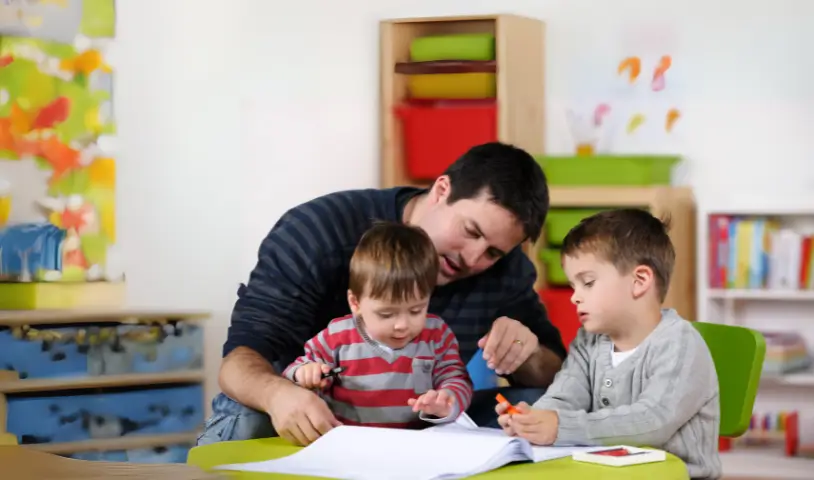
Families today face many challenges while raising children, especially when a child struggles with communication, behavior, or daily routines. In these moments, parents often look for support that is practical, positive, and long-lasting. This is where Applied Behavior Analysis, also known as ABA Therapy, becomes a powerful tool. In the middle of daily stress, ABA does much more than teach skills—it helps families connect, communicate, and build routines that make everyday life smoother and happier.
Understanding How ABA Builds Stronger Families
ABA focuses on learning patterns.
This helps families understand why behaviors happen and how to respond with patience.
When parents understand behavior clearly, home life becomes less confusing and more manageable. ABA empowers families by teaching them how small changes—like consistent routines or clear communication—can help a child feel safe, calm, and ready to learn.
ABA Encourages Positive Communication at Home
Clear communication removes misunderstandings.
Families start speaking in a way children can easily understand.
Many families discover that after ABA begins, they naturally use more direct, simple, and encouraging language with their child. This lowers stress and helps everyone feel heard. When communication improves, relationships improve too.
Creating Predictable Daily Routines
Routines give children stability.
Parents feel more confident when each day has clear steps.
One hidden benefit of ABA is how it builds structure into everyday tasks: morning schedules, homework time, mealtimes, and bedtime. For many children, these routines help reduce anxiety, especially when activities like rocking yourself to sleep or seeking comfort signals the need for stability. ABA teaches families how to turn these moments into opportunities for calm learning and connection.
Building Independence Through Step-By-Step Learning
Children gain confidence with small achievements.
Families celebrate progress together, strengthening bonds.
ABA breaks big tasks into tiny steps. This makes skills like brushing teeth, packing a school bag, or cleaning up toys achievable. As children learn to do more on their own, they feel proud—and parents feel relieved. These shared victories bring families closer because growth is happening together.
Lowering Stress for Parents and Caregivers
ABA offers clear strategies.
This reduces confusion and helps families stay calm in difficult moments.
Parents often feel unsure about how to respond to challenging behaviors. ABA provides tools that show parents how to stay consistent. When families know exactly what to do, there is less frustration and more confidence. This emotional balance helps the entire household feel more peaceful.
Encouraging Positive Sibling Interactions
Siblings learn how to support each other.
They understand differences without judgment or frustration.
ABA strategies can also help siblings communicate better. For example, siblings can learn how to play safely, share space, or use simple gestures and words to express needs. This reduces conflict and promotes teamwork, building stronger sibling relationships.
Helping Children Express Their Feelings Safely
Emotional expression becomes easier.
Children learn healthy ways to cope with big emotions.
One of ABA’s most meaningful impacts is helping children express feelings such as frustration, excitement, fear, or confusion. Instead of crying or acting out, they learn to use words, gestures, or behavior strategies. Families benefit because they finally understand what the child is trying to communicate.
Supporting Parents With Training and Guidance
Parents become active partners in learning.
ABA teaches them how to respond with purpose and kindness.
Parent training is one of the most powerful hidden strengths of ABA. Families learn techniques they can use anywhere—home, school, or in community settings. This shared learning allows parents to feel prepared and included, making them true partners in their child’s progress.
Reducing Everyday Conflicts and Meltdowns
ABA teaches calm alternatives.
Children learn what to do instead of what not to do.
Instead of punishing unwanted behaviors, ABA focuses on teaching positive replacements. This helps prevent common struggles like tantrums, difficulty following directions, or refusal to switch between activities. When conflict decreases, family time becomes more peaceful and enjoyable.
Creating Special Moments Between Parents and Children
Small victories become bonding moments.
Parents feel joy watching their child understand and respond.
As children learn through ABA, parents often experience emotional breakthroughs—like hearing a new word, watching their child follow a routine independently, or noticing fewer meltdowns. These moments deepen family connection and bring hope.
Conclusion
ABA quietly strengthens families through communication, routines, and shared progress.
It helps children learn confidently while supporting parents every step of the way.
Daily life becomes calmer, more organized, and more connected.
In the end, ABA helps families grow together with patience, understanding, and love.