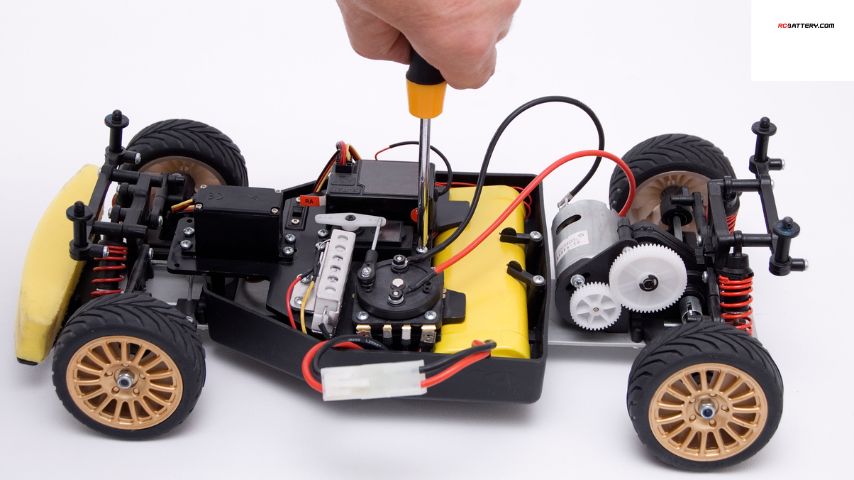
LiPo (Lithium Polymer) batteries have become the powerhouse behind modern robotics and FPV (First-Person View) drone applications. Whether it’s a high-speed racing quad, a warehouse robot, or an autonomous rover, LiPo batteries offer unmatched performance advantages that other battery chemistries struggle to compete with. Their lightweight structure, high energy density, flexible form factor, and exceptional discharge capabilities make them the preferred choice for demanding, high-performance systems.
In this detailed article, we explore why LiPo batteries continue to dominate these industries, how they compare to other battery types, the risks associated with them, and best practices for safe and long-lasting usage.
What Are LiPo Batteries?
Understanding Lithium Polymer Technology
LiPo batteries are a type of rechargeable lithium-ion battery packaged in a soft, flexible polymer pouch rather than a rigid metal casing. This design makes them lightweight and easy to mold into custom shapes—perfect for robotics and FPV drones that require compact, space-efficient components.
How LiPo Batteries Work
Inside a LiPo battery pack are layers of electrodes and electrolytes enclosed in a high-strength polymer casing. Their chemistry allows each cell to deliver a nominal voltage of 3.7V (4.2V when fully charged), which is higher than many traditional battery types. This higher voltage directly translates to greater power and performance.
Key Performance Advantages of LiPo Batteries
1. High Energy Density
Energy density determines how much power a battery can store relative to its weight. LiPo batteries typically offer much higher Wh/kg compared to NiMH or older Lithium-ion cylindrical cells. For drones, this means longer flight time; for robots, it enables extended usage without frequent recharging.
2. Exceptional Discharge Rates (C-Rating)
One of the biggest reasons LiPo batteries are favored is their high C-rating. The C-rating defines how quickly a battery can safely discharge energy.
-
FPV drones demand extreme bursts of power for acrobatics and quick throttle changes.
-
Robots performing high-torque operations, such as lifting or mobility, need consistent power delivery.
LiPo’s high discharge capability provides stable voltage output even under heavy loads.
3. Lightweight and Compact Form Factor
Because LiPo batteries use polymer pouches instead of hard casings, they weigh less and occupy less space. This is essential for aerial applications where every gram matters. Lightweight batteries improve a drone’s thrust-to-weight ratio, agility, and flight time. For robotics, lighter power systems give more flexibility in mobility and design.
4. Customizable Shapes and Sizes
The flexible structure of a LiPo cell allows manufacturers to produce various shapes and thicknesses. Robotics engineers often take advantage of this to fit batteries into tight spaces, compact robot bodies, handheld devices, and slim robotic arms.
5. Higher Voltage and Reduced Voltage Sag
LiPo cells provide a higher voltage output per cell compared to NiMH. During high power draw, many batteries suffer from voltage sag, but LiPo packs maintain better voltage stability, ensuring consistent performance in motors, ESCs, and electronic components.
Why LiPo Batteries Are Ideal for Modern Robotics
1. Supporting High-Torque Motors and Actuators
Robots often use powerful motors capable of drawing high currents, especially when lifting objects or navigating uneven terrain. LiPo batteries’ ability to provide rapid current bursts makes them ideal for such power-heavy operations.
2. Enhancing Robot Mobility and Autonomy
Robots rely on efficient energy storage for extended autonomy. LiPo’s energy density provides longer operating times, making them suitable for:
-
Warehouse robots
-
Delivery robots
-
Mobile service robots
-
Humanoid and quadruped robots
3. Seamless Integration With Robotics Electronics
Voltage ranges from 7.4V (2S) to 22.2V (6S) and beyond are widely compatible with microcontrollers, ESCs, servo motors, and motor drivers. This makes LiPo batteries a universal choice for robotics systems at both the hobby and industrial level.
4. Scalability for Prototypes and Production
From micro robots using tiny 1S LiPo cells to advanced autonomous robots running powerful multi-cell packs, LiPo batteries are scalable across different applications.
Why LiPo Batteries Are the Top Choice for FPV and Drone Applications
1. Instant Throttle Response
FPV drones require instant power delivery for high-speed maneuvers, tight turns, flips, and acrobatic stunts. LiPo batteries’ high burst discharge rate ensures motors respond instantly to throttle inputs, making them ideal for racing and freestyle drones.
2. Superior Weight-to-Power Ratio
Minimizing weight is the secret to achieving longer flight times. LiPo batteries offer the best balance between weight, voltage, and capacity, helping drones achieve optimal flight performance.
3. High Burst Capability for Aerial Maneuvering
Racing drones and cinematic FPV quads often require short bursts of extreme power, especially during rapid acceleration or challenging moves. LiPo packs deliver these bursts without overheating or voltage drops.
4. Industry-Wide Compatibility
Most FPV components—including ESCs, motors, flight controllers, and VTXs—are designed around standard LiPo voltage ranges. Popular drone configurations include:
-
3S and 4S for beginners
-
5S and 6S for racing and freestyle
-
7S–8S for next-generation high-performance builds
5. Reliable Performance in Competitive Environments
Consistency under high stress and fast discharge makes LiPo batteries the undisputed choice for drone racing competitions worldwide.
Comparison With Other Battery Types
LiPo vs Li-ion
-
Li-ion Pros: Higher cycle life, safer structure
-
Li-ion Cons: Lower discharge capability, heavier
-
Use Case: Long-range drones, endurance robots
LiPo vs NiMH
-
NiMH Pros: Safe and inexpensive
-
NiMH Cons: Heavy, low energy density, outdated
-
Use Case: Rarely used in modern robotics or drones
LiPo vs LiFePO4
-
LiFePO4 Pros: Extremely safe, long cycle life
-
LiFePO4 Cons: Lower voltage and discharge rate
-
Use Case: Safe robotics applications requiring stability, not power
Risks and Limitations of LiPo Batteries
1. Safety Concerns
Improper charging or damage can lead to swelling or fire. It’s important to:
-
Charge with a balance charger
-
Avoid punctures or deformation
-
Never overcharge
2. Shorter Lifespan Under Stress
FPV drones often push LiPo packs to their limits, reducing lifespan to 150–300 cycles.
3. Temperature Sensitivity
Exposure to extreme heat or cold can damage LiPo cells and impact performance.
Best Practices for Safe and Long-Lasting LiPo Usage
Charging Guidelines
-
Always use a balance charger
-
Avoid overcharging
-
Charge in a fireproof LiPo-safe bag
Storage Tips
-
Store at 30–60% charge
-
Keep in a cool, dry location
-
Never store fully charged or fully discharged packs
Maintenance Tips
-
Check for swelling
-
Monitor internal resistance
-
Allow packs to cool before recharging
Extend Battery Life
-
Choose a battery with proper C-rating
-
Avoid deep discharges
-
Use voltage alarms during flight
Conclusion
LiPo batteries have become the backbone of modern robotics and FPV applications due to their lightweight structure, high energy density, exceptional discharge capability, and compatibility with high-performance electronics. Whether you’re building a racing drone or designing an autonomous robot, LiPo batteries offer the power, flexibility, and responsiveness required for today’s demanding technologies. Although they require careful handling and maintenance, the performance benefits they bring make them the clear choice for engineers, hobbyists, and professionals alike.
Frequently Asked Questions
1. Why do FPV drones use LiPo batteries?
Because LiPo batteries deliver high discharge rates and lightweight performance needed for fast and agile drone maneuvers.
2. Are LiPo batteries safe for beginners?
Yes, as long as proper charging, storage, and handling guidelines are followed.
3. What C-rating is best for FPV drones?
Freestyle and racing: 75C–120C
Cinematic flying: 45C–75C
4. Can Li-ion replace LiPo in drones?
Li-ion is suitable for long-range and endurance drones but not for racing or freestyle due to lower discharge capability.
5. What causes LiPo swelling?
Overcharging, deep discharging, overheating, or physical damage.
6. How long do LiPo batteries last?
Around 150–300 cycles, depending on usage and maintenance.
7. Do robotics systems benefit from LiPo?
Yes—robots using high-torque motors or requiring mobility benefit greatly from LiPo’s power density and discharge rates.