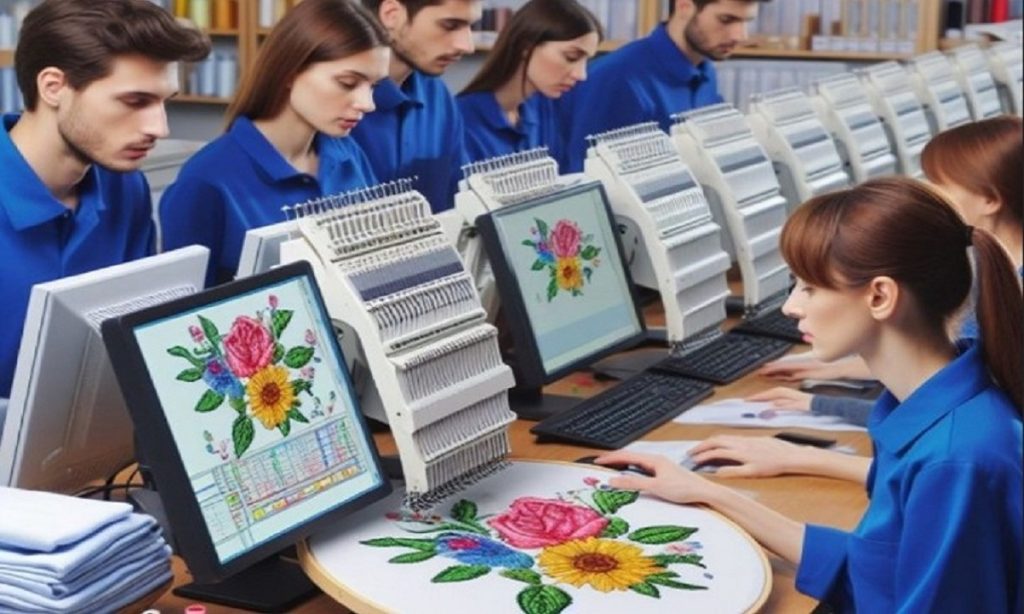
Embroidery has evolved far beyond simple monograms and basic patterns. Today, businesses, designers, and hobbyists are seeking digitizing services to bring their logos, artwork, and designs to life on embroidery machines. Whether you’re a small business creating branded apparel or a craft enthusiast exploring custom projects, professional digitizing can make all the difference. From PES to DST, EXP, and more, custom embroidery digitizing ensures your designs are precise, stitch-perfect, and ready for any machine.
What Are Digitizing Services?
Digitizing services refer to the process of converting artwork—logos, images, or designs—into a digital embroidery file that your machine can read. Each embroidery machine uses specific file formats, like:
- PES: Common for Brother and Babylock machines.
- DST: Standard format used by many commercial embroidery machines.
- EXP: Popular with Bernina and Melco machines.
- JEF, VIP, VP3: Used by Janome, Pfaff, and Husqvarna models.
The digitizing process doesn’t just copy the image; it analyzes the artwork, selects stitch types, sets density, adjusts underlay stitches, and maps out the exact path for the embroidery machine needle. This ensures that the final embroidered product looks as close to the original artwork as possible.
Why Custom Digitizing Services Matter
1. Precision and Accuracy
When you attempt DIY conversions without proper digitizing, designs often come out misaligned, puckered, or uneven. Custom digitizing services ensure your logo or artwork is precisely stitched, with attention to details like curves, text, and small elements.
2. Machine Compatibility
Each embroidery machine reads files differently. A file that works on a Brother machine may not work on a Bernina. Custom digitizing converts your design into the correct format, like PES, DST, or EXP, ensuring compatibility across machines.
3. Time-Saving
Hand-digitizing or trial-and-error conversions can waste hours, especially with complex designs. Professional digitizers optimize stitch paths and adjust density for faster stitching, saving you valuable production time.
4. Professional Finish
Custom digitizing adds a polished, professional look to your embroidery. The right stitch type, underlay, and density help prevent fabric puckering, thread breaks, or distorted designs, giving your products a premium quality.
Types of Stitch Used in Digitizing
Digitizing isn’t just about converting files—it’s about choosing the right stitches for your design and fabric. Some commonly used stitch types include:
- Satin Stitch: Perfect for lettering and borders.
- Tatami/Fill Stitch: Ideal for large areas like patches or background shapes.
- Running Stitch: Great for fine details or outlines.
- Appliqué: Combines fabric and embroidery for added texture.
Professional digitizers analyze your design and recommend the best combination to achieve durability, aesthetic appeal, and machine efficiency.
How Custom Digitizing Services Work
- Artwork Submission: You provide a logo, sketch, or digital file. Common formats include JPG, PNG, AI, or PDF.
- File Analysis: The digitizer examines size, color, and complexity to determine stitch types and pathing.
- Digitizing: Using specialized software, the design is mapped into a machine-readable format (PES, DST, EXP, etc.).
- Test Stitch: Many services run a test stitch to check alignment, density, and overall quality.
- Final Delivery: You receive a high-quality embroidery file, ready for production.
Advantages of Using Custom Digitizing Services
- Consistent Quality: Every embroidery piece looks professional and uniform.
- Versatility: Files are compatible with various machines and formats.
- Flexibility: Designs can be scaled without losing stitch quality.
- Time Efficiency: Reduces trial-and-error for faster production.
- Durability: Optimized stitches ensure longevity, even after multiple washes.
Choosing the Right Digitizing Service Provider
When selecting a digitizing service, consider:
- Experience: Look for providers familiar with multiple machine formats.
- Portfolio: Review previous work to check precision and design quality.
- Turnaround Time: Some services offer same-day or 24-hour conversions.
- Pricing: Compare cost-per-design while keeping quality in mind.
- Support: Reliable services offer revisions or guidance if adjustments are needed.
Popular File Formats for Embroidery Machines
Here’s a quick overview of the common embroidery file formats you may encounter:
| Format | Machine Compatibility | Usage |
| PES | Brother, Babylock | Most home/commercial machines |
| DST | Tajima, Barudan | Industry standard, commercial embroidery |
| EXP | Bernina, Melco | Commercial and semi-professional machines |
| JEF | Janome | Home embroidery projects |
| VIP | Pfaff, Husqvarna | Specialized home machines |
| VP3 | Pfaff, Husqvarna | Multi-needle machines |
Custom digitizing services ensure your design is correctly formatted for the machine you plan to use.
Tips to Prepare Your Artwork for Digitizing
- High-Resolution Files: Provide the clearest image possible.
- Separate Colors: If possible, separate design colors to simplify stitching.
- Simplify Details: Extremely fine details may not translate well to stitches.
- Vector Images: AI or EPS files are ideal for scaling without losing quality.
- Specify Size & Placement: This helps the digitizer optimize stitch density and pathing.
Final Thoughts
Custom digitizing services take your designs from concept to perfectly stitched reality. By converting logos, images, and artwork into machine-ready embroidery files, they ensure professional results every time. Whether you’re using PES, DST, EXP, or other machine formats, investing in expert digitizing saves time, enhances quality, and guarantees your embroidery looks as intended.
If you’re looking for reliable, professional digitizing services that cover every format and provide expert guidance, Digitizing Buddy is the perfect partner to bring your embroidery designs to life.