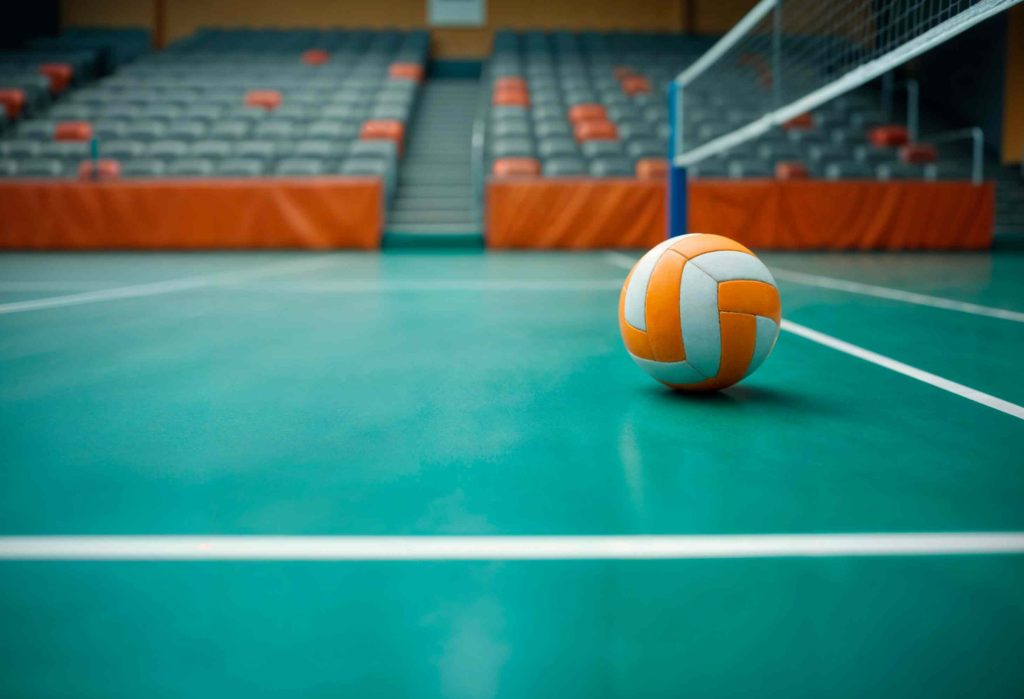
The demand for high-quality sports flooring has grown significantly in the UAE as the country continues to invest in sports infrastructure, fitness centers, and recreational facilities. Whether it’s for indoor basketball courts, gymnasiums, or outdoor football fields, professional sports flooring installations require a level of precision, durability, and performance that standard flooring simply cannot match. Working with a sports flooring supplier UAE ensures that these specific needs are met through advanced materials, meticulous installation techniques, and compliance with international standards.
Professional sports flooring is more than just a surface to play on; it’s a scientifically engineered system designed to enhance performance, reduce injury risk, and withstand the rigorous demands of high-intensity activities. In contrast, regular flooring—such as tiles, wood, or vinyl used in homes or offices—prioritizes aesthetics, comfort, and general utility rather than athletic functionality.
Understanding the key differences between the two types of flooring helps decision-makers, architects, and facility owners make better choices when developing sports facilities in the UAE’s unique climate and environment.
The Purpose and Performance of Sports Flooring
The primary distinction between sports flooring and regular flooring lies in their intended purpose. Sports floors are designed with specific performance parameters in mind—shock absorption, vertical deformation, energy return, and slip resistance are carefully calculated. These elements contribute to athlete safety, comfort, and performance.
In professional sports facilities, the flooring must respond to the dynamic movements of players—running, jumping, landing, and quick directional changes. A high-quality sports floor absorbs a portion of the impact energy, reducing stress on joints and minimizing the likelihood of injuries. Regular flooring, however, does not have such performance considerations. Its focus is on aesthetic appeal, durability under foot traffic, and easy maintenance.
In the UAE, where indoor and outdoor sports are equally popular, flooring must also withstand high temperatures, humidity, and occasional sand exposure. Sports flooring systems are built to resist these environmental factors without warping, cracking, or losing their performance integrity over time.
Material Composition and Engineering Differences
Sports flooring installations use specialized materials that differ greatly from those found in residential or commercial floors. For example, polyurethane, rubber, and vinyl are among the most common materials used in indoor sports floors because of their elasticity, durability, and ability to provide consistent ball bounce.
Regular flooring, such as ceramic tiles or laminate, lacks the flexibility and resilience required for sports use. These materials can cause excessive impact on joints and even increase the risk of slips or falls during intense physical activity.
Furthermore, professional sports flooring often consists of multiple layers. Each layer serves a specific purpose—base layers for shock absorption, middle layers for stability, and top layers for traction and performance. This layered construction ensures both comfort and safety. Regular floors, on the other hand, generally have a single functional layer designed for aesthetic or structural purposes.
In addition, sports flooring systems are engineered for specific sports. For instance, a basketball court requires different shock absorption and ball response compared to a gym used for aerobics or weightlifting. Such precise engineering ensures optimal conditions for each activity, something that a standard floor installation could never achieve.
Installation Process and Precision
The installation process for professional sports flooring is another major factor that sets it apart from regular flooring. Sports flooring installation requires skilled technicians who understand not only flooring materials but also the technical requirements of the sport and facility.
The subfloor must be carefully prepared to ensure it is level, moisture-controlled, and structurally sound. Inaccuracies in the subfloor can affect the flooring’s performance and even lead to premature wear or damage. Specialized adhesives, underlays, and expansion joints are used to accommodate movement and temperature variations—particularly important in the UAE’s hot climate.
Regular flooring installations, by contrast, are generally less complex. They may only require surface cleaning, adhesive application, and placement of tiles or planks. While aesthetic alignment and leveling are important, there is far less focus on performance parameters or long-term athletic use.
When working with an experienced sports flooring supplier UAE, the installation process is managed with strict quality controls, ensuring the finished surface meets global performance and safety standards. This professional approach guarantees consistency across the entire floor, preventing dead spots or uneven areas that could disrupt play.
Durability and Maintenance
Durability is essential for sports facilities, where heavy usage, equipment impact, and continuous movement can wear down surfaces quickly. Sports flooring materials are designed to endure such conditions, providing resilience without compromising performance.
In the UAE, where many indoor sports centers operate almost year-round, durability becomes even more critical. Sports floors are built to resist moisture, ultraviolet exposure, and temperature fluctuations. Regular flooring materials would deteriorate rapidly under such demanding conditions.
Maintenance also differs between the two. Sports floors require routine cleaning with specialized products that preserve traction and elasticity. Regular floors, meanwhile, are typically cleaned with general household or commercial products. Using inappropriate cleaning materials on sports floors can degrade their surface, reducing performance and safety.
Safety and Comfort Considerations
Athlete safety is a major factor driving the design and installation of professional sports flooring. Shock absorption levels are carefully calibrated to prevent joint strain, while anti-slip coatings reduce the risk of accidental falls.
The right floor can even improve athletic performance. For example, the rebound characteristics of a high-quality sports surface contribute to better energy return, allowing players to move more efficiently. This is why professional-grade sports facilities never compromise on flooring selection or installation standards.
Regular flooring, while comfortable for daily use, is not built to absorb the repetitive impact associated with sports. It can lead to fatigue, discomfort, and even long-term injuries if used inappropriately in athletic environments.
A sports flooring supplier in the UAE ensures that all materials meet international safety certifications and are tested for impact resistance, traction, and durability. This attention to safety makes a significant difference in player well-being and performance outcomes.
Aesthetic and Customization Differences
Aesthetics are important in both sports and regular flooring, but in professional sports facilities, functionality drives design choices. Sports floors can be customized with specific court markings, team colors, and branding while maintaining performance standards.
Modern sports flooring systems also come in a variety of finishes—matte for better traction, glossy for certain visual effects, or textured for multipurpose areas. These customizations are integrated without compromising durability or playability.
Regular flooring, on the other hand, focuses primarily on design, color, and texture to match interior decor. Its purpose is visual harmony rather than athletic performance.
In the UAE’s luxury fitness and sports market, combining aesthetic appeal with advanced functionality is highly valued. Facility owners often collaborate closely with a sports flooring supplier UAE to achieve this balance, ensuring the floor is both visually appealing and performance-optimized.
Environmental and Climate Adaptation
The UAE’s climate presents unique challenges for any flooring system. High temperatures, humidity, and occasional sand exposure can cause materials to expand, contract, or degrade. Professional sports flooring systems are specifically designed to handle these extremes without compromising their integrity.
For instance, polyurethane-based floors have high resistance to heat and UV rays, making them ideal for outdoor courts. Indoor systems are designed to maintain elasticity and structural balance despite temperature fluctuations caused by air conditioning and humidity control.
Regular flooring materials may not offer such adaptability. They can warp, crack, or lose adhesion under prolonged heat exposure or moisture. This is why using specialized sports flooring materials is essential in the UAE environment.
Cost Considerations and Long-Term Value
At first glance, sports flooring installations appear more expensive than regular flooring. However, their value lies in longevity, safety, and performance. While the initial investment may be higher, maintenance costs are lower, and replacement intervals are much longer.
In addition, the overall return on investment is higher when considering reduced injury rates, improved player satisfaction, and compliance with international sports standards. For facilities aiming to host official tournaments or professional training sessions, meeting these standards is not optional—it’s a necessity.
Regular flooring may seem cost-effective initially, but frequent repairs, performance issues, and safety risks can result in higher long-term costs.
Final Thought
The difference between professional sports flooring installations and regular flooring is much more than visual. It involves performance science, advanced engineering, and environmental adaptation tailored to the UAE’s unique conditions. Professional sports flooring systems offer the durability, safety, and performance athletes need, while regular flooring serves everyday aesthetic and functional purposes.
Choosing the right flooring solution requires understanding the specific demands of sports activities, the facility’s purpose, and the local climate. Collaborating with a sports flooring supplier UAE ensures that every detail—from material selection to installation precision—is handled professionally. In a region that values excellence in sports infrastructure, investing in professional sports flooring is not just a choice but a strategic advantage for performance, safety, and longevity.