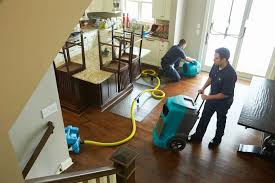
Traumatic events can leave behind not only emotional scars but also physical hazards. Situations like unattended deaths, accidents, violent crimes, or biohazard exposure require specialized cleaning and decontamination. This is where professional trauma cleanup services come in, providing a crucial service that goes beyond regular cleaning. Trauma cleanup ensures that affected environments are safe, sanitized, and restored while protecting the health of residents and cleanup personnel.
Understanding Trauma Cleanup
Trauma cleanup, sometimes referred to as biohazard remediation, involves the removal, cleaning, and disinfection of biological and chemical contaminants that arise from traumatic incidents. Unlike standard cleaning services, trauma cleanup requires advanced equipment, proper protective gear, and strict adherence to safety protocols. This is because blood, bodily fluids, and other hazardous materials can carry pathogens that pose serious health risks.
Common Situations Requiring Trauma Cleanup
Trauma cleanup professionals handle a variety of situations, including:
-
Accidents and Injuries: Car accidents, workplace injuries, or falls can result in blood or other bodily fluids that must be carefully removed.
-
Unattended Deaths: When someone passes away unnoticed, decomposition can begin, creating biohazards and strong odors that require specialized cleaning.
-
Violent Crimes: Homicides or assaults can leave behind blood, tissue, and other contaminants that need professional remediation.
-
Suicides: In these tragic situations, trauma cleanup specialists ensure the environment is thoroughly disinfected and safe for future use.
-
Infectious Disease Contamination: Some trauma scenes may involve exposure to infectious diseases, requiring meticulous cleaning to prevent further spread.
The Importance of Professional Trauma Cleanup
Handling trauma cleanup without proper training is extremely dangerous. Exposure to bloodborne pathogens, bacteria, and viruses can cause serious illnesses. Certified trauma cleanup companies follow strict guidelines, often outlined by OSHA (Occupational Safety and Health Administration) and the CDC (Centers for Disease Control and Prevention), to ensure complete safety. Professional cleaning not only removes hazardous materials but also helps families and property owners regain a sense of security and normalcy.
Steps in Trauma Cleanup
Professional trauma cleanup involves several critical steps:
-
Assessment and Containment: Cleanup teams first assess the scene to identify biohazards and establish containment zones to prevent contamination from spreading to other areas.
-
Removal of Contaminants: All hazardous materials, including blood, bodily fluids, and contaminated personal items, are carefully removed using specialized tools and disinfectants.
-
Deep Cleaning and Disinfection: The affected area is scrubbed and sanitized with hospital-grade disinfectants. This step ensures that pathogens are eliminated and surfaces are safe for human contact.
-
Deodorization: Traumatic incidents often leave lingering odors. Trauma cleanup professionals use advanced deodorization techniques to remove odors at the molecular level.
-
Waste Disposal: All biohazardous waste is disposed of according to state and federal regulations, ensuring environmental safety and legal compliance.
-
Restoration: In some cases, cleaning may involve minor repairs or removal of contaminated materials like carpets or drywall to restore the space to a livable condition.
Safety and Emotional Support
Trauma cleanup is not only physically demanding but also emotionally challenging. Professionals are trained to handle the psychological stress associated with crime scenes, accidents, and deaths. Their role is critical not just for sanitation but also for providing families with relief during extremely difficult times. Many trauma cleanup companies offer discreet, compassionate services to respect the privacy and emotions of those affected.
Choosing the Right Trauma Cleanup Service
Selecting a reputable trauma cleanup company is essential. Here are key factors to consider:
-
Certification and Licensing: Ensure the company has the proper certifications for biohazard remediation and trauma cleanup.
-
Experience: Look for companies with extensive experience handling various types of traumatic incidents.
-
Equipment and Technology: The company should use advanced cleaning technology and protective gear.
-
Emergency Availability: Trauma situations are unpredictable. Choose a service that offers 24/7 emergency response.
-
Compassionate Approach: Trauma cleanup companies should provide respectful and sensitive services, understanding the emotional state of the clients.
Health Risks of Inadequate Cleanup
Attempting trauma cleanup without proper training or equipment can have severe consequences. Exposure to pathogens like HIV, Hepatitis B and C, and other infectious agents is possible. Additionally, improper handling of contaminated materials may lead to environmental contamination and legal liabilities. Professional cleanup ensures these risks are mitigated, protecting both individuals and the surrounding environment.
Trauma Cleanup and Legal Considerations
In certain cases, trauma cleanup may intersect with legal requirements. Law enforcement may need to investigate crime scenes, and insurance companies may require proof of professional remediation for claims related to property damage or personal injury. Certified trauma cleanup companies can provide documentation of their procedures, helping clients navigate legal and insurance matters efficiently.
The Role of Trauma Cleanup in Recovery
Trauma cleanup is a vital step in the recovery process following a traumatic event. A clean and sanitized environment contributes to emotional healing by allowing families, employees, or residents to move forward in a safe space. By restoring normalcy, trauma cleanup services help individuals focus on mental and emotional recovery without the added stress of biohazard risks.
Conclusion
Trauma cleanup is more than just cleaning—it is a specialized service that addresses serious health hazards, restores safety, and provides peace of mind in the aftermath of traumatic events. Whether it’s a crime scene, unattended death, or accident, professional trauma cleanup ensures that affected spaces are fully sanitized, deodorized, and safe for future use. By relying on trained, compassionate experts, individuals and families can navigate the aftermath of trauma with dignity and security, knowing that their environment is in capable hands.