
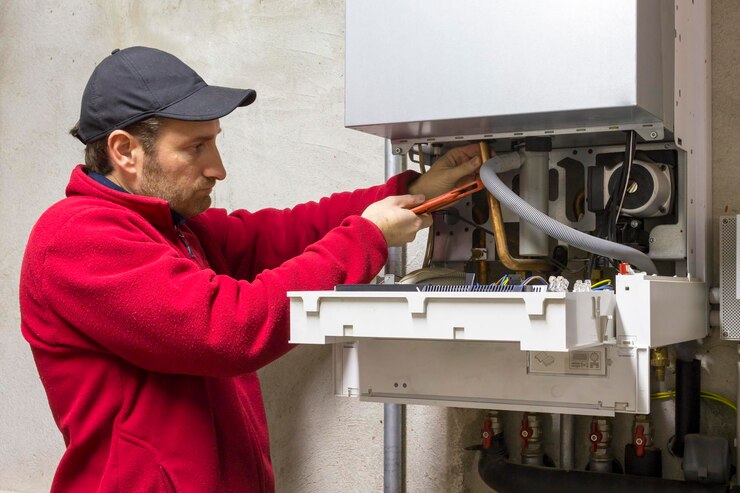
When your boiler stops working, the discomfort is immediate—no heat, no hot water, and rising stress. A faulty boiler can interrupt your daily routine and even pose safety risks if left unchecked. Understanding how boiler systems work, recognizing early warning signs, and knowing when to call a licensed technician can save you time, money, and major repairs. This guide breaks down everything homeowners need to know about boiler repair, boiler maintenance, and long-term system reliability.
What Causes Boilers to Break Down?
Boilers are durable, but like any heating system they suffer from wear and tear. Common reasons homeowners need professional boiler repair include:
-
Mineral buildup inside heat exchangers
-
Faulty thermostats or broken zone valves
-
Air trapped in the system causing uneven heating
-
Pump failure or low water pressure
-
Ignition or pilot light problems
-
Leaking pipes or corroded components
These issues often start small but can escalate quickly, which is why routine boiler servicing is essential for system longevity.
Key Warning Signs Your Boiler Needs Service
Catching a problem early can prevent a costly emergency repair. Watch for:
-
Strange noises (banging, whistling, gurgling)
-
Slow or inconsistent heating
-
Unusual smells (burning, gas odor—seek immediate help)
-
Rising energy bills without increased usage
-
Water leaks around the boiler unit
-
Frequent shutdowns or error codes
If any of these symptoms occur, schedule a boiler inspection before the issue worsens.
Why Professional Boiler Repair Matters
Modern boilers are complex heating appliances that require proper training to diagnose and repair safely. Certified HVAC technicians use specialized tools to test combustion levels, inspect burners, calibrate controls, and ensure your system is operating efficiently. Professional servicing provides:
-
Improved energy efficiency
-
Lower heating costs
-
Longer boiler lifespan
-
Enhanced indoor comfort
-
Better system reliability during peak winter months
Plus, many warranties require annual boiler maintenance to remain valid.
Maintenance Tips to Prevent Future Breakdowns
While major repairs should be handled by experts, homeowners can follow a few practices to maintain system health:
-
Bleed radiators regularly for better circulation
-
Keep boiler vents and flues clear
-
Monitor boiler pressure
-
Schedule a professional tune-up once a year
-
Replace old thermostats with smart, energy-saving models
These small steps help prevent failures and improve overall performance.
When It’s Time to Consider a Replacement
Even well-maintained boilers eventually reach the end of their service life. If your unit is:
-
Over 12–15 years old
-
Requiring frequent, costly repairs
-
Causing uneven heating
-
Driving up your energy bills
…it may be more cost-effective to upgrade to a high-efficiency condensing boiler. Modern systems use less fuel and offer superior heating control.

