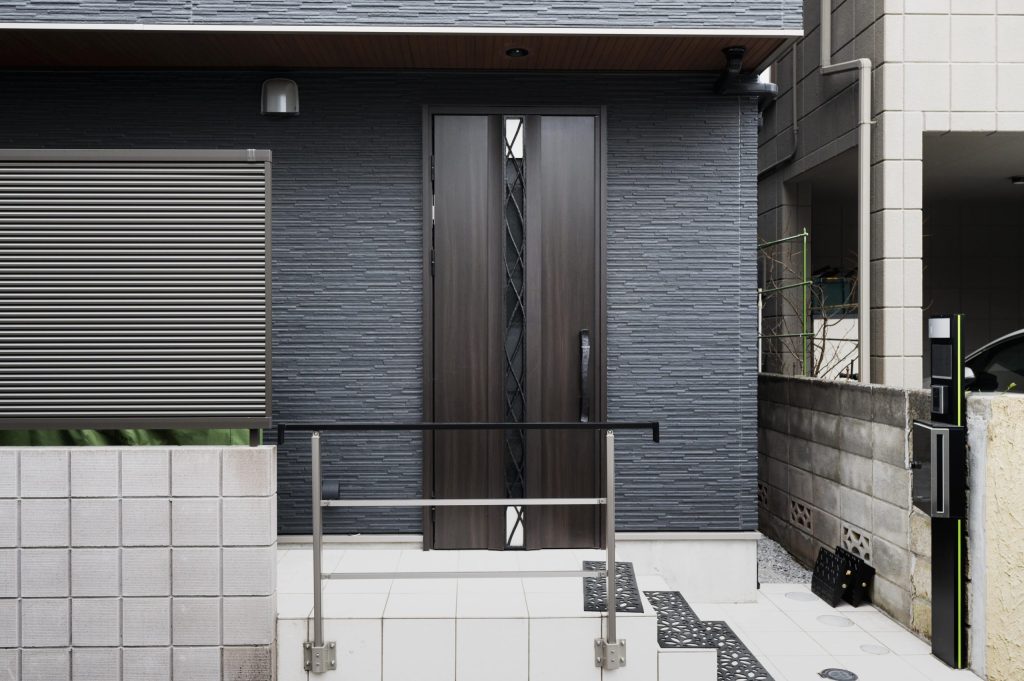
Front door colours have become an essential design feature for UK homeowners who want to elevate their property’s exterior. As architectural styles modernise and sustainability becomes a priority, colour choices now play a greater role in shaping first impressions. The entrance is no longer simply functional – it sets the tone for the entire home. Contemporary British design places increasing value on harmonious palettes, clean finishes and mood-enhancing tones that reflect personality while remaining timeless. With this shift, the front door has become a powerful design tool that defines kerb appeal.
The Design Psychology Behind Front Door Colours
Designers know that colour does much more than decorate a home – it influences how people feel when they approach it. Warm tones create a friendly, welcoming entrance, while cool shades give a calm and sophisticated look. Deeper colours add visual weight, making the doorway appear more grounded and striking. Emotional cues also play a role: earthy greens feel peaceful, dark blues look elegant and soft neutrals offer subtle confidence. Whether choosing traditional homes or modern doors in Cardiff, designers focus on balancing personality with long-term appeal so the colour complements the overall exterior.
Leading Front Door Colour Trends UK Designers Recommend
|
Trend Category |
Key Shades |
Designer Insight |
| Luxe Deep Tones | Midnight blue, obsidian black, deep olive, iron grey | Premium, bold, suits modern & period homes. |
| Soft Neutrals | Greige, clay, warm stone, soft mushroom | Clean, subtle, ideal for contemporary exteriors. |
| Nature Palette | Sage, eucalyptus, stormy blue, dusk lavender | Calming, organic, blends with greenery. |
| Accent Shades | Terracotta, mustard, teal, muted coral | Adds character, lifts neutral façades. |
| Monochrome | Black, carbon, white, off-white | Timeless, sharp, enhances modern lines. |
Pairing Front Door Colours with UK Architectural Styles
- Victorian & Georgian: Heritage tones like deep green and navy enhance ornate detailing and traditional brickwork.
- Edwardian Terraces: Soft neutrals pair well with pale masonry and subtle exterior features.
- Cottage & Coastal Homes: Weathered pastels create a gentle, organic look that suits natural surroundings.
- Contemporary New-Builds: Monochrome or warm neutrals highlight clean lines and modern structures.
- Designer Tip: Aim for contrast that complements, ensuring the door enhances rather than competes with the façade.
Choosing the Right Finish for a Polished Look
Satin, Matte or High Gloss?
Satin, matte and high-gloss finishes each produce different visual effects. Satin remains the designer favourite for offering a refined sheen without excessive shine. Matte creates a sophisticated, velvety look ideal for premium timber or composite doors. High gloss works well for bold heritage entrances but requires more maintenance. The chosen finish must also suit material performance and withstand variable UK weather conditions to ensure long-term durability.
Professional Tips for Selecting the Perfect Colour
Work With Natural Light and Direction
Light changes colour dramatically. North-facing doors often suit warmer tones, while south-facing entrances can handle deeper or cooler colours. East and west orientations create shifting tones throughout the day, making sample testing essential.
Use Large Sample Tests for Precision
Small swatches can be misleading. Designers recommend painting larger patches to observe how colours shift in shade and direct sunlight. Evening light can also alter undertones dramatically.
Complementing the Surrounding Palette
A successful entryway connects with nearby elements such as brick, render, stone pathways, porches and garden borders. Designers use proportional balance to ensure the door feels intentional rather than isolated.
Thinking Long-Term Rather Than Trend-Only
Choosing a timeless shade prevents early repainting and supports property value. While contemporary trends may be appealing, designers prioritise colours that remain stylish throughout seasonal and architectural changes. This approach is valued by homeowners working with carpenters and specialists in doors who appreciate durable, long-lasting colour solutions.
Hardware, Accessories and Styling
Hardware plays an important role in accentuating colour. Brushed chrome creates a modern finish, while matte black feels bold and architectural. Brass adds warmth and traditional appeal, and antique bronze suits heritage homes. Designers recommend blending hardware with glazing, sidelights and porch lighting to build a complete vignette. Planters, textures and lighting fixtures further enhance the entryway and help unify the exterior composition.
Care and Maintenance (Designer-Approved Advice)
Weather-resistant paint and sealants protect against moisture, fading and peeling. Routine cleaning prevents dirt buildup, especially in urban areas. Timber doors may require repainting every few years, while composite options need only minimal upkeep. Protecting the finish ensures long-term vibrancy and helps maintain the designer-intended aesthetic, particularly when installations are completed by carpenters in Cardiff or suppliers specialising in doors.
Additional Designer Insights
- Light and Shadows: Door colours change depending on sun, shade and nearby features like porch roofs or recesses. A bold colour in sunlight may look softer in the shade, and matte finishes often look darker.
- Eco-Friendly Paints: Low-VOC and eco paints are now popular because they’re safer for homes and perform well in damp UK weather. They resist mildew and moisture.
- Garden & Surroundings: Deep colours work well with evergreen plants, while softer neutrals suit flowering gardens. Paths, steps and railings also influence the overall look.
- Colour Layering: Using one colour on the door and another on trims adds contrast. For example, charcoal with white trim feels modern, and sage with stone trim feels calm and natural.
- Connection to Interiors: The front door should match the mood of the home. Modern interiors suit monochrome tones; warm interiors pair well with earthy shades.
- Lighting Effects: Night-time lighting changes how colours appear. Warm lights enhance earthy tones, while cool lights sharpen greys and blues. Good lighting adds style and improves security.

FAQs (Interior Designer Edition)
- What colour makes a UK home look more expensive?
Deep navies, rich blacks and warm, earthy greens create a premium, elevated look. - Do darker colours make a front door harder to maintain?
They show dust sooner, but remain visually striking with high-quality paint. - Is black still in style for modern UK homes?
Yes. Black and off-black tones remain timeless across design styles. - What is the easiest front door colour to keep clean?
Neutral mid-tones, such as greige or clay, hide dirt effectively. - How often should a painted front door be refreshed?
Depending on finish and material, most doors require refreshing every two to five years. - Should the front door match the interior hallway colour?
Not exactly, but complementary tones create a cohesive transition.
Conclusion
Choosing the right front door colour transforms the look and feel of a home, adding personality, balance and lasting curb appeal. With thoughtful attention to architectural style, lighting and finishing details, homeowners can create an entrance that feels polished and enduring. Colour, when chosen with intention, ties together modern design values with practical durability. For expertly guided improvements that combine style and craftsmanship, AO Builders Cardiff delivers solutions that harmonise exterior design with lasting performance.