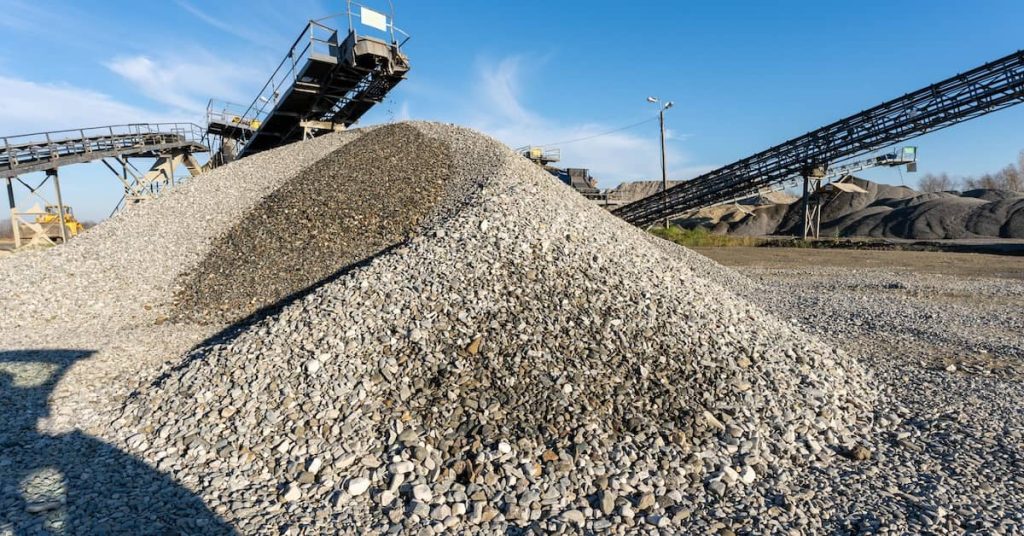
When it comes to foundation stability, drainage, and long-term structural performance, backfill stone plays a critical role. Whether you’re constructing a new basement, retaining wall, or utility trench, choosing the best stone for backfill and using the correct quantity and method can prevent costly issues such as water intrusion, settlement, and wall failure.
This guide answers the most common questions contractors, builders, and homeowners ask about backfill with crushed stone, including how much material is needed and when specialized systems like stone backfill in cages are the right solution.
Why Backfill Stone Matters (Experience)
From years of field experience in excavation and material placement, one lesson is consistent: improper backfill causes more foundation problems than poor concrete work. Stone backfill allows water to drain, reduces hydrostatic pressure, and compacts more predictably than soil alone.
Backfilling with the wrong material—or the wrong amount—can lead to cracking basement walls, uneven settlement, and moisture problems that surface years after construction is complete.
What Is Backfill Stone?
Backfill stone is aggregate material placed around foundations, walls, trenches, or underground utilities after construction. Unlike native soil, stone backfill:
-
Drains water efficiently
-
Reduces soil pressure on walls
-
Minimizes frost heave
-
Provides consistent compaction
Common types include crushed limestone, gravel, and angular aggregate blends designed for structural support.
What Is the Best Stone for Backfill? (Expertise)
The best stone for backfill depends on the application, but industry best practices favor angular crushed stone over rounded gravel.
Recommended Stone Types
-
Crushed limestone (¾” clean stone) – Most common for basement foundations
-
#57 stone – Excellent drainage and compaction balance
-
#8 stone – Used where tighter voids are needed
Why Crushed Stone Is Best
-
Angular edges lock together for stability
-
Allows water to pass freely
-
Does not expand or shrink like soil
Avoid using clay-heavy soil or sand alone, as they retain moisture and increase pressure against foundation walls.
Can You Backfill with Crushed Stone Only?
Yes, and in many cases, backfill with crushed stone is the preferred method—especially for basement foundations and retaining walls.
Benefits of Crushed Stone Backfill
-
Superior drainage performance
-
Reduced lateral pressure on walls
-
Faster installation and compaction
-
Long-term durability
Many professionals combine crushed stone with a geotextile fabric to prevent soil migration while maintaining drainage efficiency.
How Much Stone Backfill Is Needed for a Basement Foundation Wall?
Calculating the amount of stone backfill for a basement foundation wall is critical for budgeting and performance.
Basic Calculation Method
To estimate stone volume:
-
Measure wall length (linear feet)
-
Measure backfill width (typically 12–24 inches)
-
Measure depth (foundation height)
Formula:
Length × Width × Depth ÷ 27 = Cubic Yards Needed
Example:
-
100 ft wall
-
2 ft wide backfill zone
-
8 ft deep
100 × 2 × 8 ÷ 27 = ~59 cubic yards of stone
Always add 10–15% for compaction loss and site conditions.
What Is Stone Backfill in Cages?
Stone backfill in cages typically refers to gabion systems—wire cages filled with stone used for structural support, erosion control, and retaining walls.
When to Use Stone Backfill in Cages
-
Steep slopes or embankments
-
Retaining wall systems
-
Drainage channels
-
Areas with high erosion risk
Gabion-style stone backfill provides excellent strength, flexibility, and drainage, making it ideal for commercial and infrastructure projects.
Is Stone Backfill Better Than Soil?
In most structural applications, yes. Stone outperforms soil because it:
-
Does not retain water
-
Compacts consistently
-
Resists freeze-thaw movement
-
Reduces long-term maintenance
While soil backfill may be cheaper upfront, stone backfill reduces repair costs and foundation issues over time.
Common Backfill Stone Mistakes to Avoid (Authoritativeness)
Professionals consistently warn against these errors:
-
Using mixed soil and debris
-
Failing to compact in lifts
-
Skipping drainage tile installation
-
Underestimating material quantities
Following engineered backfill specifications ensures compliance with building codes and manufacturer warranties.
FAQs About Backfill Stone
What size stone is best for foundation backfill?
¾” clean crushed stone or #57 stone is the industry standard for foundation backfill.
Can stone backfill prevent basement leaks?
Yes. When combined with drainage tile and waterproofing, stone backfill significantly reduces hydrostatic pressure and water intrusion.
Do I need fabric behind stone backfill?
Yes. A geotextile fabric prevents fine soil from clogging the stone while maintaining drainage.
Is stone backfill required by code?
Many local building codes require free-draining backfill material for foundations and retaining walls.
How long does stone backfill last?
Stone backfill does not degrade and can last the lifetime of the structure when installed correctly.
Trustworthy Backfill Starts With the Right Materials (Trustworthiness)
Choosing the correct backfill stone, calculating the right quantity, and installing it properly are essential steps in protecting your investment. From residential basements to commercial retaining systems, quality backfill materials ensure long-term performance, drainage, and structural integrity.
Working with experienced material suppliers and professional installers helps ensure your project meets engineering standards and avoids costly future repairs.
Final Thoughts
Whether you’re selecting the best stone for backfill, estimating the amount of stone backfill for a basement foundation wall, or considering stone backfill in cages, understanding these fundamentals leads to stronger, longer-lasting construction outcomes.