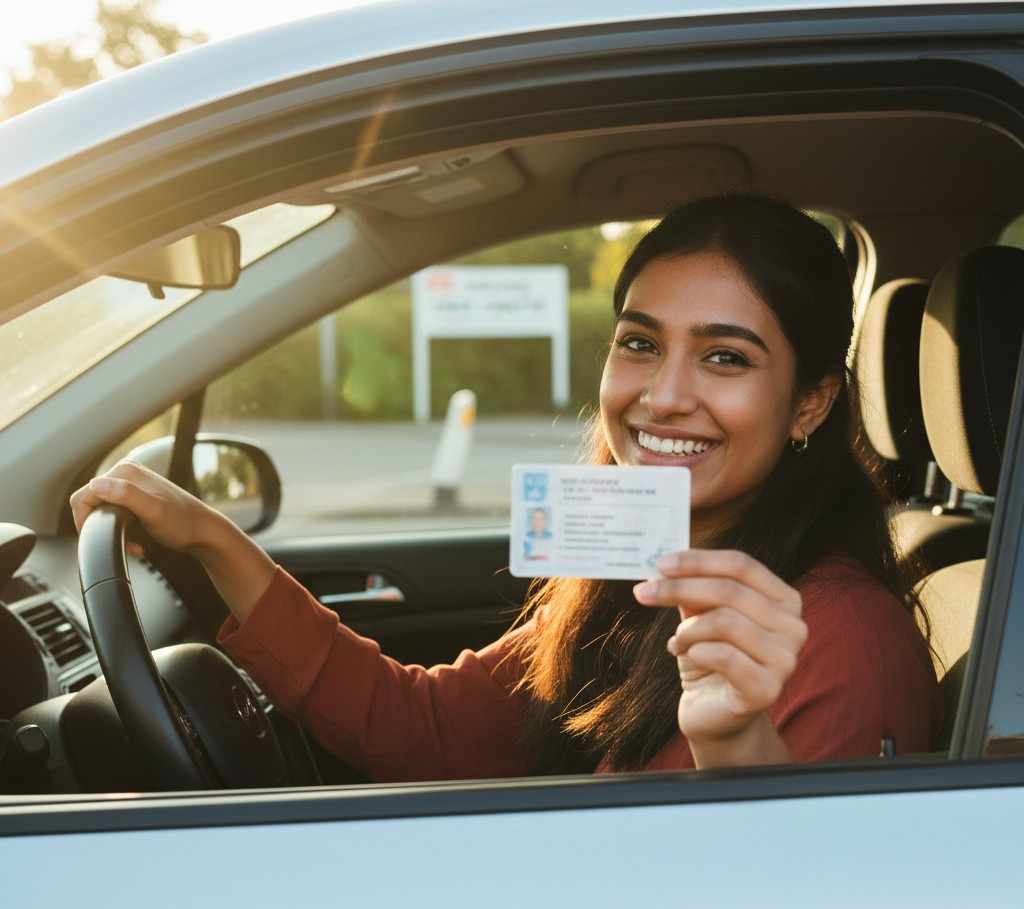
The UK driving test has evolved from a basic assessment into a detailed evaluation of judgment, awareness, and overall road behaviour. With learners increasingly depending on digital tools, voice-enabled features have become a preferred choice for clarity, convenience, and hands-free support. Modern learners want guidance that fits their fast-paced routines without distracting them on the road. This blog explores how voice navigation has become an essential part of today’s preparation, helping learners practise safely, understand instructions better, and approach their driving test with greater confidence.
Understanding Voice Navigation in Driving Test Apps
Voice navigation in driving test apps refers to spoken guidance that supports learners during practice sessions. It acts like a digital instructor by offering direction, reminders, and prompts at the right moment. Within driving practice tools, it functions by analysing mapped routes, recognising road layouts, and delivering precise cues. Unlike basic audio prompts that offer generic instructions, intelligent voice guidance adjusts to driving context, timing, and learner behaviour.
Why Learners Prefer Voice-Based Tools
Learners appreciate voice-based tools because they allow hands-free learning, letting them focus fully on the road instead of glancing at screens. This makes practice more natural and safe. The guidance mirrors the clarity of an instructor, reducing confusion and helping learners follow steps smoothly. It also cuts down screen dependency, which is especially useful during manoeuvres. Most importantly, voice guidance feels reassuring, offering real-time explanations that build confidence without pressure.

Key Ways Voice Navigation Enhances Driving Test Preparation
1. Clear, Real-Time Instructions During Practice
Real-time voice cues guide learners through key manoeuvres such as parallel parking, bay parking, or managing controlled stops. This timely direction reduces hesitation and the urge to second-guess instructions. By following consistent voice prompts during repeated practice, learners develop reliable muscle memory. This natural repetition helps learners using an app for driving test stay focused on execution rather than worrying about what comes next.
2. Better Understanding of Road Layouts and Junctions
Voice navigation helps learners understand complex road layouts, especially when dealing with lane changes, roundabouts, and multi-exit junctions. Receiving early voice cues encourages better anticipation and more confident decision-making. Cues about speed limits or upcoming turns help create smoother driving habits. This feature, when combined with the driving test app, keeps learners safer and more aware during practice sessions.
3. Improved Hazard Perception Skills
Voice notes within the app highlight common hazards such as upcoming crossings, merging traffic, or blind bends. This helps learners recognise patterns and react calmly rather than with sudden stress. With regular exposure to hazard warnings, learners grow more alert and observant. The voice guidance promotes steady driving behaviour and reduces the nervousness often seen during hazard perception tasks.
4. Independent and Flexible Practice
A major advantage is independent practice without needing continuous supervision. Learners can follow voice-led instructions confidently, making their sessions efficient and flexible. It offers subtle reassurance, similar to having a supportive guide in the passenger seat. This approach significantly reduces test-day pressure because learners feel more prepared and familiar with the required tasks.
5. Accessibility and Ease of Use
Voice-enabled apps are highly accessible for learners who struggle with text-heavy instructions, have visual strain, or prefer listening over reading. They allow effortless interaction without navigating complicated menus. This simplicity also ensures that learners remain focused on road safety instead of managing a device.
How Voice Navigation Supports Better Theory Test Revision
1. Memorising Rules and Signs More Easily
Voice repetition helps reinforce memory, making road rules easier to recall. Learners can revise penalties, signs, or right-of-way rules even while on the move. This audio-based method suits those who find traditional studying less engaging. When used alongside an app for a driving test, it enhances knowledge retention and allows for flexible revision.
2. Enhancing Understanding of Real-World Scenarios
Voice explanations make abstract theory questions feel practical. Instead of just reading text, learners hear interpretations that resemble real-life scenarios—like dealing with cyclists, responding to emergency vehicles, or reacting to pedestrian crossings. This bridges the gap between theory and on-road behaviour, giving learners a more rounded understanding.
Comparing Voice Navigation Apps with Traditional Learning Methods
| Learning Method | Pros | Cons |
| Books & Manuals | Detailed information | Can feel overwhelming: lacks interactivity |
| Videos | Easy-to-understand visuals | Requires screen time: not hands-free |
| In-Car Lessons | Real experience | Limited time: depends on instructor availability |
| Voice Navigation in a driving test app | Hands-free, real-time, interactive | Depends on device compatibility |
Learners Benefit From Modern Driving Test Apps
Smart Progress Tracking
Progress tracking tools help learners see exactly where they’re improving and where they need extra practice. They highlight weak points early, ensuring learners focus on specific skills instead of guessing. This leads to more productive lessons and quicker progress.
Practice Routes Similar to Test Centres
Many apps now include voice-guided mock routes that resemble real test centre paths. Learners get familiar with how local roads behave, what types of junctions to expect, and how examiners typically structure routes. This realism dramatically boosts confidence on test day.
On-Road Revision Mode
Apps also offer on-road revision modes where voice navigation reads out rules, clutch tips, or speed reminders while learners commute as passengers. This creates an efficient revision habit without needing dedicated study time. The audio style makes even complex topics feel simpler and more digestible.
Best Practices for Using a Voice-Enabled Driving Test App
- Use the app during calm, focused practice sessions
- Pair voice guidance with supervised lessons for best results
- Repeat difficult manoeuvres using audio prompts
- Use earphones only when safe and legal
- Review incorrect theory answers with voice explanations
- Combine daily 15-minute voice-assisted revision with manual practice
The Future of Voice Navigation in UK Driving Test Preparation
AI-Driven Personalised Instructions
Future apps are expected to offer tailored guidance based on individual driving patterns. The voice system will adapt to strengths and weaknesses, offering more targeted feedback. This makes training more efficient and catered to each learner’s natural style.
Realistic Driving Simulations with Audio Guidance
Virtual driving scenarios paired with voice guidance may replace certain classroom-style lessons. Learners could practise trickier junctions or emergencies digitally before trying them on the road. This creates safer and more effective preparation.
Enhanced Accessibility for All Learners
Voice features will further assist learners with dyslexia, auditory learning preferences, or those adapting from international driving backgrounds. Multilingual support will ensure clarity for everyone, making driving preparation more inclusive.
Conclusion
Voice navigation has transformed the way learners prepare for driving tests by providing clarity, accessibility, and hands-free guidance. It helps modern learners stay focused, practise flexibly, and gain confidence in real-world scenarios. With real-time support, deeper understanding, and smart progress tools, the journey becomes far less stressful. As technology grows, the App for Driving Test continues to create a smoother path from learner to confident driver, empowering individuals with practical tools that make success feel within reach.