Business security system in Melbourne featuring surveillance cameras
Health care environments are places of care, trust, and responsibility. Clinics, hospitals, and medical centres manage sensitive information, valuable equipment, and people who may be vulnerable or stressed. Because of this, safety cannot be left to chance. Supported by professional commercial security services, well-planned commercial security systems help health care providers protect patients, staff, and daily operations in a calm and organized way.
Understanding Commercial Security Systems in Health Care
Commercial security systems are structured tools and processes designed to protect buildings, people, and assets in professional environments. In health care, these systems work quietly in the background while care continues without disruption.
Unlike basic security setups, commercial security systems in medical settings must handle constant movement, privacy needs, and unpredictable situations. From entry points to restricted areas, every part of a facility benefits from careful planning.
Key goals include:
- Keeping patients and staff safe
- Protecting medical records and data
- Preventing unauthorized access
- Supporting fast response during incidents
Why Health Care Facilities Face Unique Security Challenges
Health care sites are open by nature. Patients, visitors, suppliers, and staff move in and out throughout the day. This openness creates risks that other workplaces may not face.
Common challenges include:
- High foot traffic in reception and waiting areas
- Sensitive zones such as treatment rooms and storage
- Staff working alone or after hours
- Emotional stress leading to aggressive behavior
- Strict privacy and safety regulations
Commercial security systems help manage these challenges by creating clear boundaries without making the space feel restrictive.
The Role of Access Control in Medical Environments
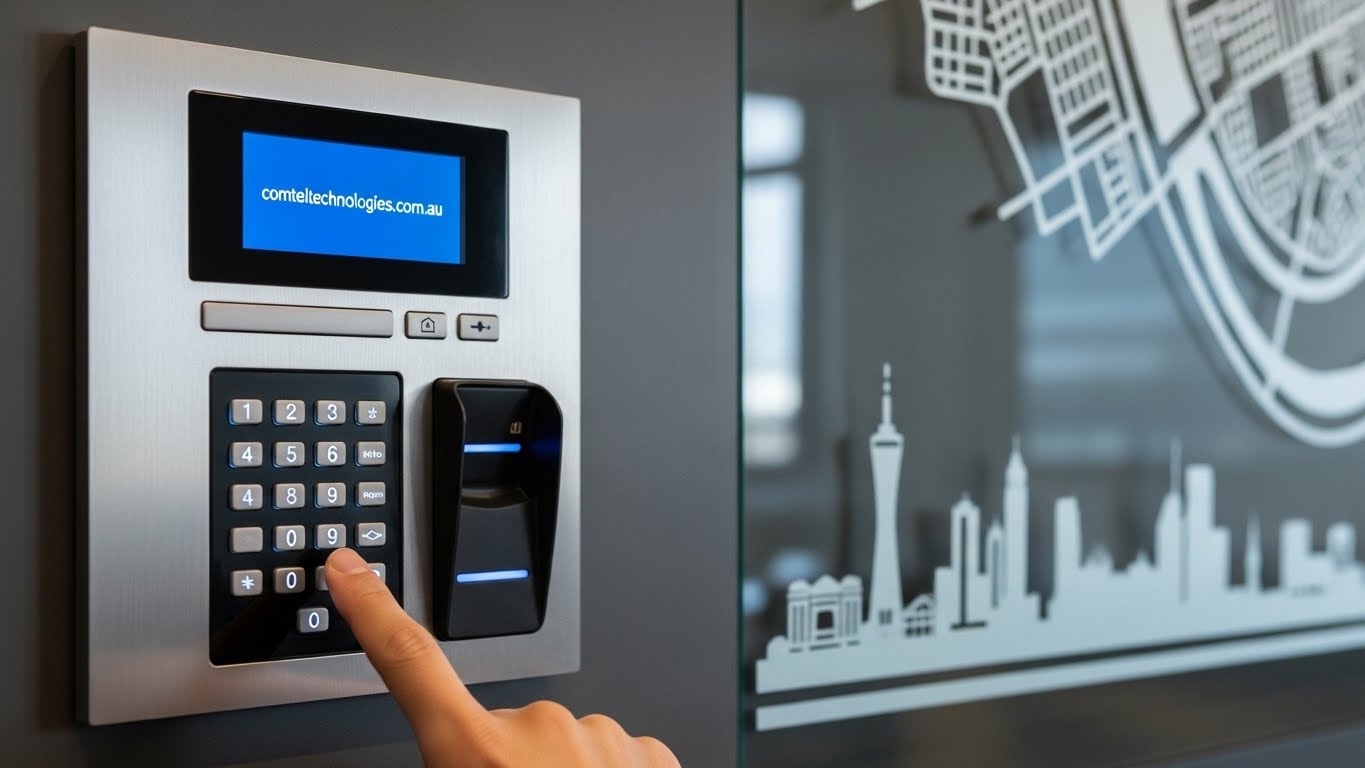
Access control is a core part of modern commercial security systems. It allows health care providers to decide who can enter certain areas and when.
How access control supports health care:
- Limits entry to staff-only zones
- Protects medicine and equipment storage
- Helps track movement inside the facility
- Reduces accidental access to restricted areas
When access is managed properly, staff can focus on care rather than worrying about safety gaps.
How Integrated Security Systems Improve Daily Operations
One of the secrets behind effective commercial security systems is integration. Instead of separate tools working alone, systems function together to support the whole facility.
Integrated systems may include:
- Entry and exit monitoring
- Internal access management
- Alert systems for emergencies
- Centralized monitoring
Working together, these systems provide clear visibility and faster response, which is essential in health care settings.
Protecting People Without Creating Fear
Health care security should feel reassuring, not intimidating. The best commercial security systems are designed to blend into the environment while still providing strong protection.
Staff and patients should feel supported, not watched. This balance builds trust and helps maintain a calm atmosphere, even during busy or stressful times.
Compliance and Safety Expectations in Australia
Health care providers in Australia must follow strict guidelines around safety, privacy, and access. Commercial security systems play a role in meeting these expectations.
Key areas supported by security systems:
- Controlled access to sensitive areas
- Protection of patient information
- Clear emergency response procedures
- Staff safety during high-risk situations
Security planning that aligns with Australian standards helps facilities stay compliant and prepared.
How Commercial Security Systems Support Staff Wellbeing
Health care workers often face demanding conditions. Knowing that strong commercial security systems are in place can reduce stress and improve confidence.
Benefits for staff include:
- Feeling safer during shifts
- Clear response paths during incidents
- Reduced risk when working alone
- Support during difficult interactions
When staff feel secure, they can focus better on patient care.
The Importance of Planning for Growth and Change
Health care facilities evolve. New services, expanded spaces, and changing patient needs require flexible security planning.
Commercial security systems should be adaptable, allowing changes without disruption. Scalable solutions ensure protection remains strong as the facility grows.
Choosing the Right Commercial Security Systems for Health Care
Every health care setting is different. Effective systems are designed around real needs rather than generic setups.
Important factors include:
- Layout of the facility
- Type of care provided
- Daily movement patterns
- Staff workflows
- Privacy requirements
Thoughtful planning ensures commercial security systems support care rather than interrupt it.
Questions and Answers: Common Questions About Commercial Security Systems in Australia
Q: What are commercial security systems used for in health care?
A: They help protect patients, staff, equipment, and sensitive areas while supporting smooth daily operations.
Q: Are commercial security systems suitable for small clinics?
A: Yes, systems can be scaled to suit clinics, medical centers, and larger facilities without unnecessary complexity.
Q: How do access control systems help health care staff?
A: They reduce unwanted entry, protect restricted areas, and give staff confidence that their workplace is secure.
Q: Do commercial security systems affect patient privacy?
A: When planned properly, they support privacy by limiting access and protecting sensitive information.
Q: Why is professional planning important for health care security?
A: Health care environments have unique needs, and tailored systems work better than one-size solutions.
Conclusion: Your Path to a Successful Commercial Security Systems in Australia
Effective commercial security systems play a vital role in health care environments across Australia. They protect people, support staff wellbeing, and help facilities operate smoothly in complex conditions. From access control to integrated monitoring, the right approach turns security into a quiet strength rather than a visible barrier.