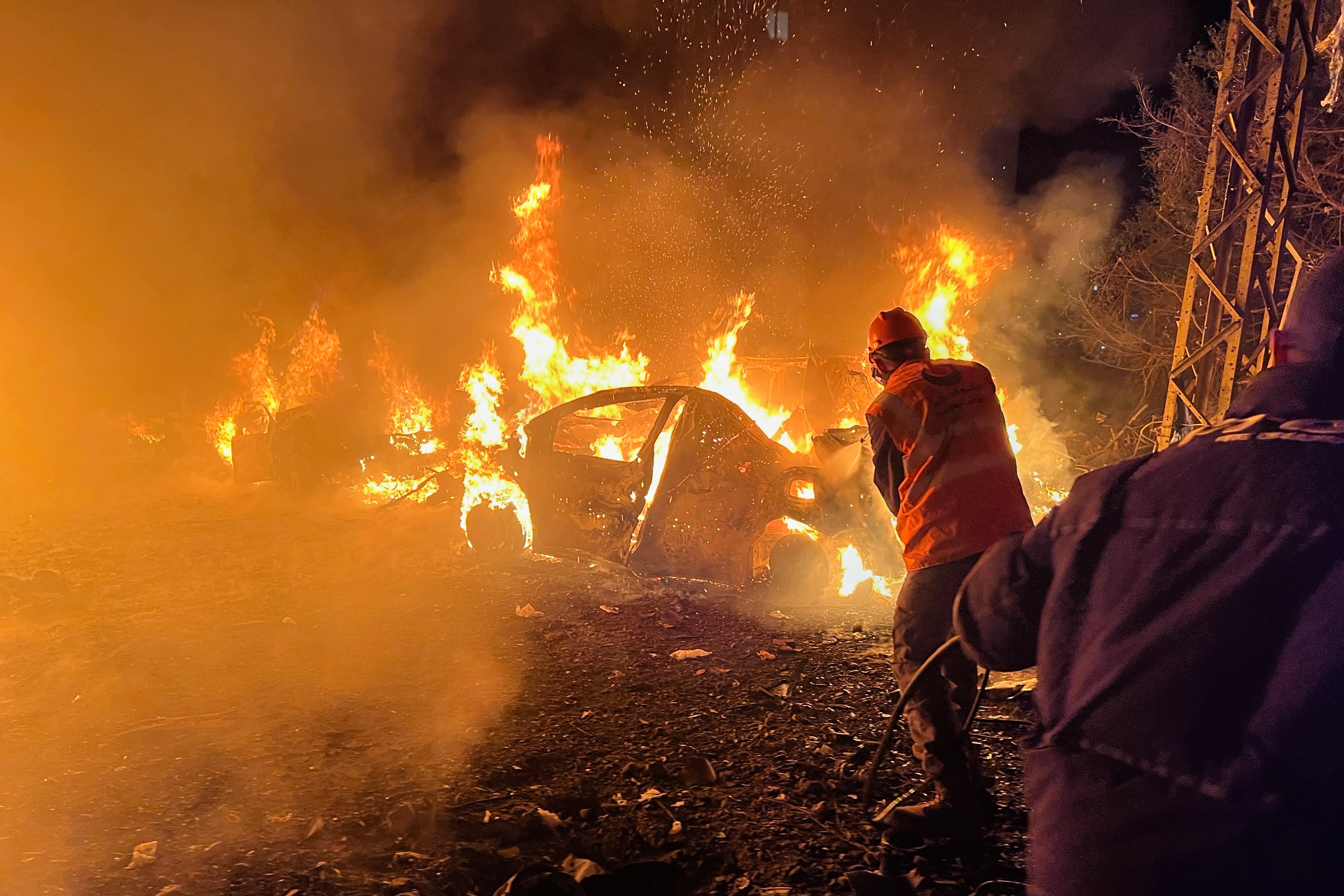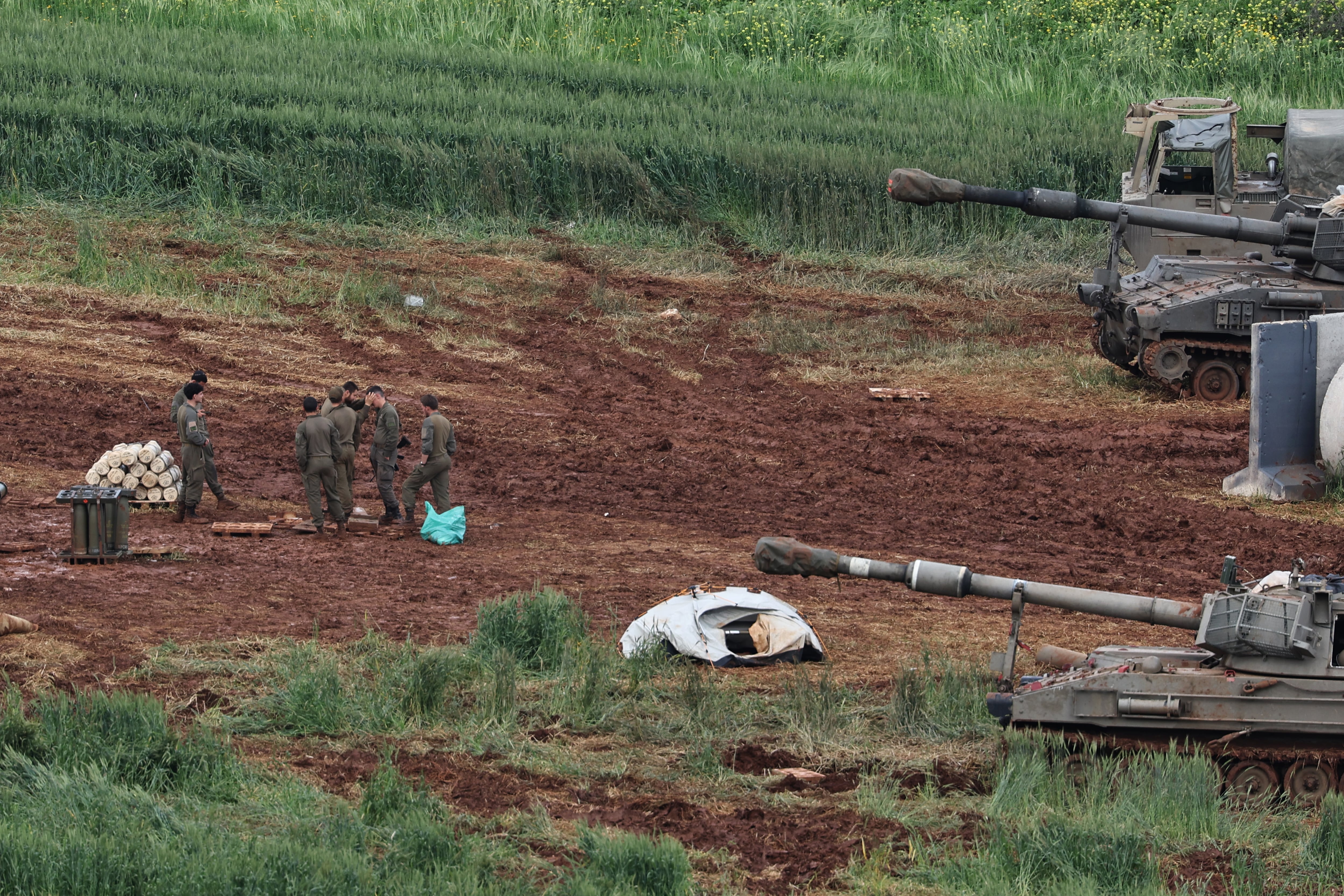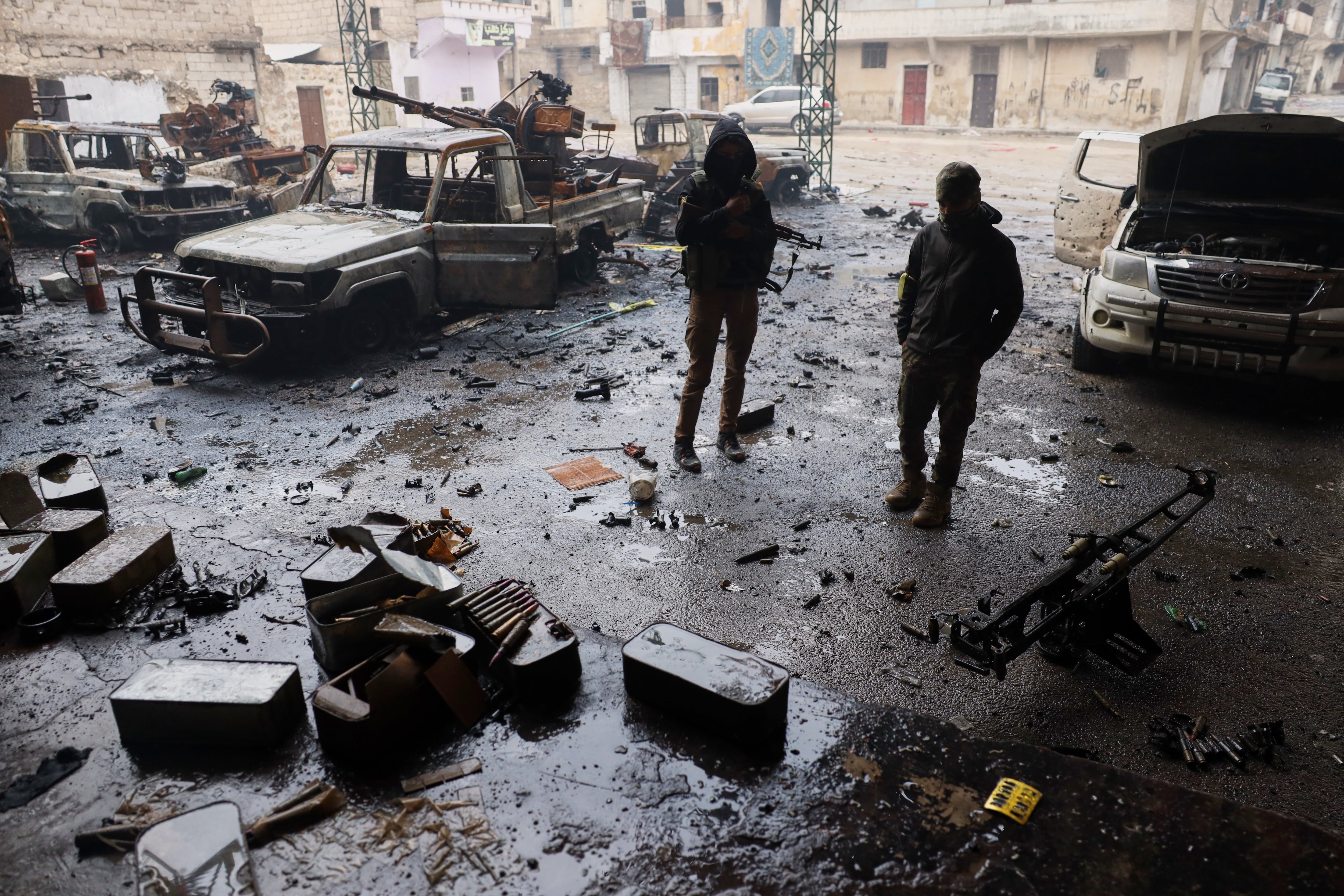
Part of the 155,000 displaced civilians from the Ashrafiyeh and Sheikh Maksud neighborhoods of Aleppo began to return to their homes this Monday after six days of fighting between central government forces and Kurdish militias. On Sunday, an agreement had been reached through the mediation of the United States and Turkey, according to which the militiamen fighting against Damascus troops had to leave these predominantly Kurdish neighborhoods in Syria’s second largest city and be evacuated to the territory in the northeast of the country controlled by the Syrian Democratic Forces (SDF), the coalition led by the Kurdish YPG militias.
The conflict began at the beginning of last week due to the lack of progress in negotiations between the Government of Salafist Ahmed al Shara and the SDF and has left at least 24 civilians dead, dozens injured and an unknown number of military casualties. Kurdish militias have accused the central government of using artillery and drones to bomb civilian facilities, including a hospital, although Damascus claims it warned ahead of the attacks and urged civilians to evacuate. For their part, the Syrian media have also accused the Kurdish militias of reaching civilian facilities, since the fighting has occurred in the heart of populous Aleppo.
“Aleppo has turned the page on anxiety and is returning to security thanks to the unity and willpower of its people,” said the governor of Aleppo, Azzam al Gharib, in a statement this Monday, in which he explained that security operations continue inside the Kurdish neighborhoods in search of possible explosives and to “guarantee the return to normality,” since numerous buildings have been destroyed by the fighting.
More than 400 fighters, 60 of them wounded, were evacuated in buses, according to a member of the Syrian security cited by the AFP agency. The Kurdish Red Crescent also assured that “about a hundred injured civilians” were evacuated in coordination with the Red Cross and the Syrian Red Crescent. Another 300 individuals — some of them members of the Kurdish Asayish police force; other simple young people from the neighborhood, according to Kurdish media, were detained by the authorities of the Syrian central government for their alleged role in the fighting.
“The massacres, rapes and humiliations committed against our people and our martyrs will not go unpunished, and their wounds will remain alive in our conscience until those responsible are held accountable,” the Autonomous Administration of North and East Syria (AANES) published in a statement, that is, the Executive that governs over the third of Syria controlled by the Kurdish militias, which includes enclaves of a Kurdish majority, but large areas of an Arab majority. In the statement, the AANES urges the Kurdish residents of the Aleppo neighborhoods to “return to their homes” and “stay there” to avoid “the demographic change” that, in its opinion, Damascus seeks.
The harsh tone of these statements shows the difficulty that negotiations between Damascus and the Kurds now face, and the breakdown of trust between the parties. One more conflict between the Al Shara Government and one of the currently most powerful minorities in Syria; after those experienced with the Alawite minority in the coastal provinces and Homs, and with the Druze in the southern province of Sueida and around Damascus, which have culminated in several massacres committed by the new military bodies made up of former rebel factions.
“Dangerous climb”
However, the page of hostility with the Kurdish militias has not been closed. For a few days now, hostilities have intensified around the towns of Deir Hafer and Maskana, east of the city of Aleppo and in the only strip of territory that the SDF controls on the southwest bank of the Euphrates River. The Syrian Army Operations Command, quoted by Syria TV, denounced the arrival of SDF reinforcements in that area and accused the Kurdish militias of causing a “dangerous escalation.” “Any action they take will receive a fierce response. We will not sit idly by,” said the military authority.
Following the course of the Euphrates, which marks most of the dividing line between the territory under the control of the central government and that controlled by the AANES, skirmishes have also occurred in the province of Deir ez Zor, which has caused the Kurdish militias to announce a state of maximum alert to their troops.
“The success of the government in Sheikh Maksud and Ashrafiyeh is likely to influence its approach towards the SDF in the Arab-majority areas of Raqa and Deir ez Zor provinces, if negotiations continue without producing real progress,” he writes in his newsletter analyst Aymenn Jawad al Tamimi, an expert on the Syrian civil war: “It is plausible that the Government calculates that, through sustained military pressure and not simple skirmishes, it can manage to wrest control of these areas from the SDF.”
For more updates, visit our homepage: NewsTimesWire