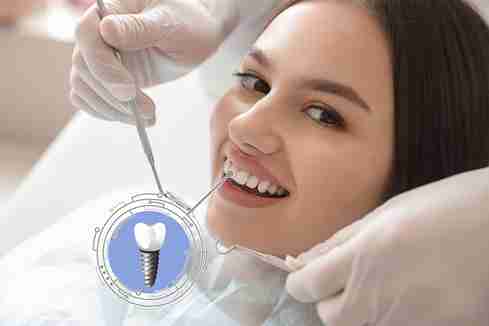
Dental implants have transformed the way missing teeth are replaced, providing both functional support and aesthetic improvement. A dental implant acts as an artificial tooth root, supporting a prosthetic tooth crown that restores chewing ability, facial structure, and smile confidence. However, the long-term success of the crown depends on multiple factors, including how well the implant integrates with the jawbone and surrounding tissue. One of the most crucial but often overlooked aspects is the surface chemistry of the implant itself. Understanding how implant surfaces interact with biological tissues is key to ensuring durable, reliable crowns.
Understanding Implant Surface Chemistry
What Is Implant Surface Chemistry?
Implant surface chemistry refers to the chemical treatments and modifications applied to the surface of the implant to enhance its interaction with the bone and soft tissue. The main goal is to promote osseointegration the direct attachment of bone to the implant surface ensuring stability and long-term success.
Common Surface Treatments
Modern implants feature various surface treatments to maximise integration:
- Titanium oxide layer modifications enhance bone bonding and reduce corrosion
- Sandblasting and acid etching create a rougher surface for improved bone adhesion
- Laser treatments refine microstructure for faster healing
- Hydroxyapatite or bioactive coatings encourage bone growth directly onto the implant
These modifications not only support stability but also influence the soft tissue environment around the implant, which is crucial for the tooth crown.
Osseointegration and Its Role in Crown Longevity
The stability of a tooth crown is directly related to how well the underlying implant integrates with the jawbone. When the surface chemistry promotes strong bone attachment:
- The implant can distribute biting forces evenly to prevent overloading
- Micromovement is minimised, reducing the risk of crown loosening or fracture
- The implant can sustain long-term functional demands without compromising the prosthetic restoration
In contrast, implants with inadequate surface integration may allow slight movements, placing additional stress on the tooth crown and potentially affecting its lifespan. For patients seeking advanced restorative solutions, such as dental implant Edinburgh, ensuring proper osseointegration is a critical first step.
Implant Surface Effects on Soft Tissue
The chemistry of the implant surface also affects how gum tissue attaches to the implant neck. Healthy soft tissue around an implant is essential for several reasons:
- Protects crown margins from bacterial infiltration
- Reduces inflammation and the risk of peri-implantitis
- Enhances the aesthetic appearance of the smile by supporting natural gum contours
Implants with optimised surface chemistry encourage firm soft tissue adhesion, improving the crown’s appearance and protecting its base from potential complications.

Biomechanical Implications for the Tooth Crown
Surface-treated implants do more than bond with bone; they influence how mechanical forces are transmitted through the prosthetic crown. Proper load distribution is critical:
- Reduces stress on the implant-abutment interface
- Prevents micro-movements that could loosen screws or fracture the crown
- Supports long-term functionality even under heavy biting forces
| Implant Surface Type | Biomechanical Benefit |
| Roughened titanium | Improved force distribution and reduced micro-movement |
| Hydroxyapatite coating | Accelerated bone bonding and enhanced stability |
| Laser-treated surface | Optimised contact area for stress transfer |
A well-planned surface ensures the crown functions effectively for many years, offering patients both comfort and reliability.
Material Compatibility Between Implants and Crowns
Although implant surface chemistry plays a critical role in supporting the crown, it does not chemically interact with crown materials such as porcelain, zirconia, or metal-ceramic. However, compatibility is important in a broader sense:
- Ensures crowns are placed on a stable base to avoid fracture or wear
- Allows for aesthetically pleasing outcomes, as crowns retain their intended shape and colour
- Reduces the risk of screw loosening or mechanical failure
Patients investing in Tooth Crown Edinburgh services benefit from understanding this distinction, as proper implant preparation directly impacts the longevity and aesthetics of the crown.
Maintenance and Long-Term Care
Maintaining implant-supported crowns is essential to protect both the implant and the crown itself. Patients should follow these practices:
- Brush gently around the implant and crown using a soft-bristle toothbrush
- Use interdental brushes or floss designed for implant care
- Avoid excessive biting forces or habits like nail-biting or using teeth as tools
- Attend regular dental check-ups to monitor integration and crown condition
checklist for patients:
- Daily cleaning around the crown and implant
- Avoid hard or sticky foods that may stress the crown
- Monitor for signs of gum inflammation or discomfort
- Schedule biannual professional check-ups
Following these practices maximises the lifespan of both the implant and crown, ensuring functional and aesthetic satisfaction.
Patient Factors Influencing Crown Longevity
The success of a tooth crown supported by an implant is influenced not only by implant surface chemistry but also by individual patient factors. Lifestyle habits, oral hygiene routines and systemic health all play a role in the longevity of both the crown and implant.
Key considerations include:
- Oral hygiene practices, such as regular brushing and flossing reduce bacterial buildup around the crown and implant.
- Dietary habits avoiding hard, sticky, or sugary foods helps prevent crown damage and decay around natural teeth.
- Smoking and alcohol use can impair gum health and osseointegration.
- Medical conditions, such as diabetes or bone disorders, may affect healing and implant stability.
Addressing these factors alongside professional care enhances long-term outcomes for patients seeking Dental Implant Edinburgh and tooth crown Edinburgh treatments.

Who Benefits Most From Advanced Implant Surfaces?
Certain patients particularly benefit from implants with optimised surface chemistry:
- Individuals with reduced bone density who need enhanced osseointegration
- Patients with high aesthetic expectations for their smile
- Those undergoing complex restorations requiring durable implant support
- Anyone seeking long-lasting, low-maintenance prosthetic solutions
Careful planning of implant surface type and crown placement ensures predictable outcomes and helps prevent complications over time.
Conclusion
Implant surface chemistry is a vital factor in ensuring the long-term success of tooth crowns. By enhancing bone integration, supporting soft tissue health, and optimising biomechanical stability, surface-treated implants create a reliable foundation for durable, functional, and aesthetically pleasing crowns. Professional assessment and tailored treatment planning, particularly for patients considering Dental Implant or Tooth Crown, are key to achieving the best results. With proper maintenance and ongoing care, implant-supported crowns can provide years of comfort, function, and a confident smile, reflecting the high standard of care at Smilo Dental Implant Edinburgh.