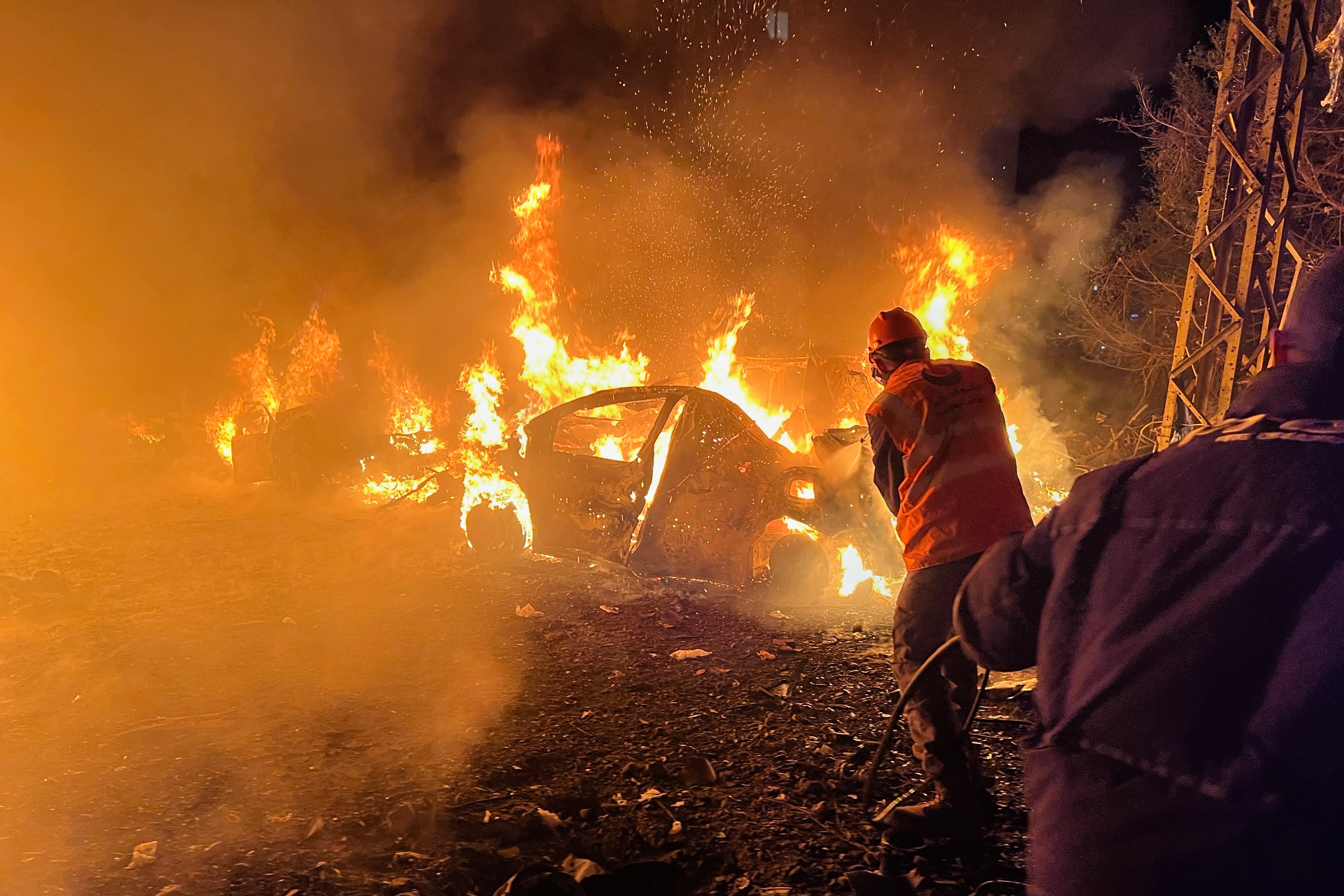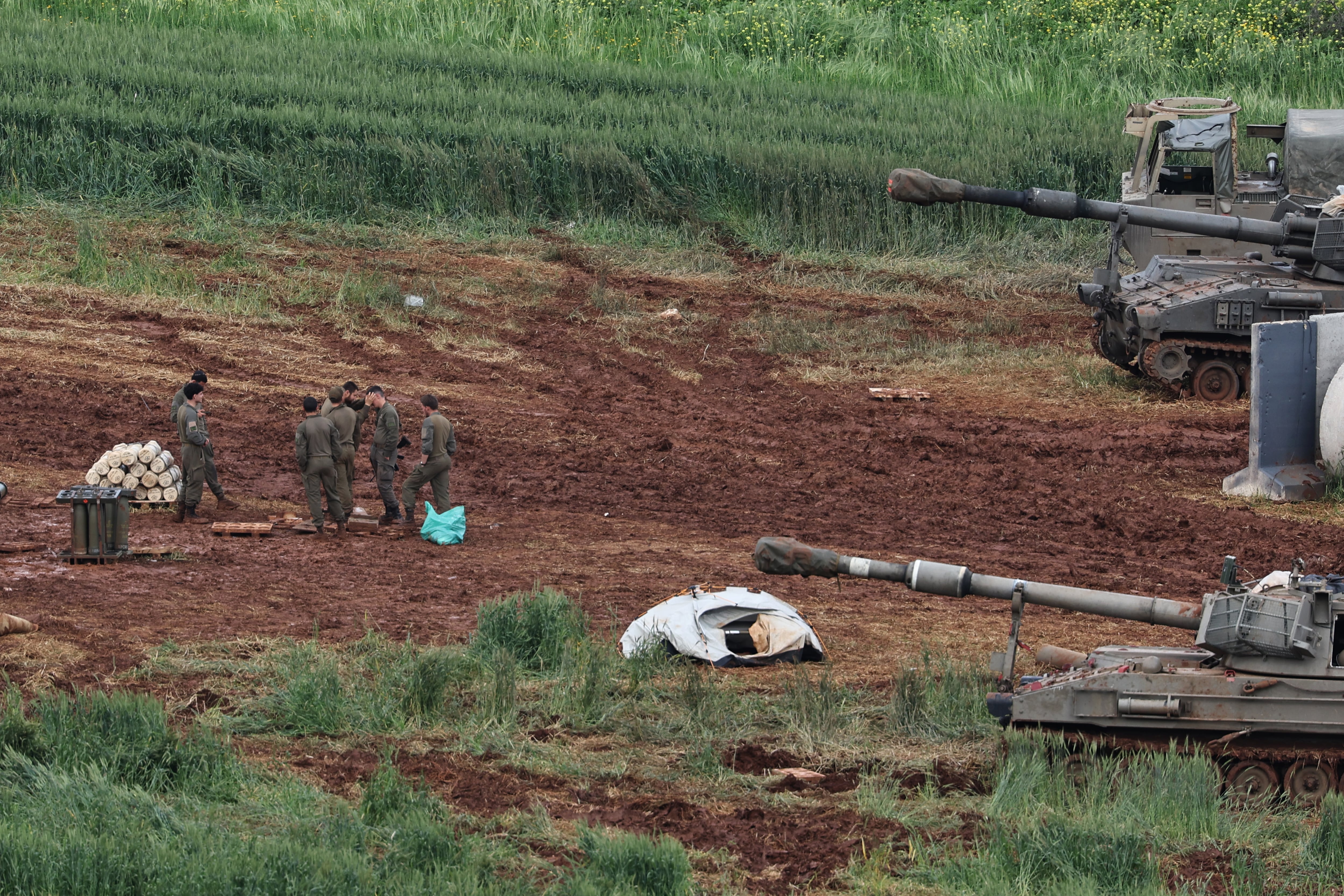
On July 20, 1988, the then supreme leader and founder of the Islamic Republic of Iran, Ayatollah Ruhollah Khomeini, appeared on national radio to announce the end of the war with Iraq. He did so by comparing that decision to “drinking a cup of poison.” Khomeini knew that, after eight years of war and more than 200,000 military deaths, the survival of his regime depended on draining that chalice to the dregs. That phrase, anchored in the collective memory of Iranians, could well now be applied to the Islamic Republic, highlighted this Monday in X the former head of intelligence of the Israeli army, Danny Citrinowicz. A regime faced with demonstrations that this Monday claimed to be “under control” – due to repression – and under the threat of a new attack from the United States, either undertakes “drastic changes” in its policies – the “poison cup 2.0”, the analyst defines it – or will face disappearance, if not in these protests, in others, this and other experts predict.
One of those changes may be regarding the Iranian nuclear program, which the West fears is aimed at obtaining nuclear weapons, something that Tehran denies. This Monday, during a meeting with diplomats reported by the Qatari channel Al Jazeera, Iranian Foreign Minister Abbas Araghchi declared that his country is open to negotiating with the United States. The day before, Donald Trump had assured on board the Air Force One having received an offer in that regard from the Iranian authorities. The president of the United States did not therefore rule out “very strong” military or other options against the Asian country, he said, even if this possible dialogue takes place.
The statements of both corroborated what was already suspected after the Foreign Minister of a prominent regional negotiator, the Sultanate of Oman, Sayyid Badr Albusaidi, traveled to Tehran this Saturday, while demonstrations against the regime intensified. In the Iranian capital he met with the senior staff of the regime’s moderate faction and most open to commitments to the West: President Masud Pezeshkian, Foreign Minister Araghchi and the Secretary of the Supreme National Security Council, Ali Larijani.
In June, Oman hosted the nuclear negotiations between Washington and Tehran—Araghchi led his country’s delegation—in which Iran drew a red line: its refusal to completely abandon its uranium enrichment program, as demanded by the United States, and which the current supreme leader, Ali Khamenei, has repeatedly defended as a sovereign right. This refusal was the pretext used by Israel, its regional nemesis, to launch a wave of military attacks, on the eve of the sixth negotiating round, against Iranian atomic facilities and military and civilian targets, in which Washington also participated.
An Iranian source, cited by the well-informed regional portal Amwajalluded to how the Foreign Minister of Oman conveyed to his interlocutors an ultimatum from the United States. The next day, Trump revealed this alleged offer from Tehran, which suggests that the latest wave of demonstrations against the regime may have led Iran to reconsider its refusal to sit down again at the dialogue table.
The Iranian regime “is trying to survive. If Trump offers them that possibility (through negotiation), they will probably accept it,” highlights Luciano Zaccara, senior researcher at the New Ground Research think tank from Qatar. That does not mean that, as in June, an unpredictable Trump will not “bomb Iran again in the middle of negotiations.”
Analyst Citrinowicz believes that the United States, with former real estate magnate Trump at the helm, “will try to take advantage of the strategic weakness” of Iran to obtain an agreement that satisfies its interests. The Asian country, for its part, subject to a very harsh sanctions regime – which suffocates the population – due to its nuclear program and without the ability to maneuver to alleviate the economic crisis that initially motivated the protests, could be trying to buy time and delay or limit the scope of a possible US attack.
Not only to appease Trump, but also his fed up population, with the more than hypothetical possibility of relief from the sanctions that a new nuclear pact would entail. In any case, in view of the recurrence of protests in the country, it seems unlikely that this distant horizon will be enough to reduce the indignation of many Iranians. Especially when the NGO Iran Human Rights this Monday raised the death toll from the repression to 648, including nine children.
Whether or not this dialogue occurs, the situation in Iran will probably “increase political polarization” within a power in which “a reformist government” (that of President Pezeshkian) coexists with ultra-conservative forces, Iranologist and professor at the Allameh Tabataba’i University in Tehran, Raffaele Mauriello, points out to this newspaper from Italy.
In September, while Pezeshkian was intensely active in the United Nations General Assembly to try to avoid the reinstatement of Security Council sanctions over the Iranian nuclear program, Khamenei defined the possibility of a return to dialogue with Washington as an “irreparable” mistake.
The situation has changed since December 28, when the protests broke out—initially economic, but which later acquired a political tone—and which, to the dismay of the regime, were initially carried out by mobile phone sellers in the Grand Bazaar of Tehran, a sector greatly affected by the 40% devaluation of the rial. This group, the bazaarists, has traditionally been loyal to the Islamic Republic and played a leading role in the revolution that overthrew the shah.
An analysis of last Friday The Economist He also highlighted how Khamenei’s “stature as a leader” had already diminished since the June attacks, something that, added to the demonstrations, could make the leader inclined to give in and drink the cup of poison of negotiating with the United States that the moderates offer him to save the Islamic Republic. Without a successor, at least that is known, and in the twilight of his life at 86 years old, Khamenei has “dwindling” options to impose his policies on those around him, the publication’s analysis stated, although he continues to have the last word regarding the nuclear issue.
Luciano Zaccara’s sources in Iran tell him that, in any case, a part of the regime believes that “the only option to survive “is to rearm, not negotiate.” That had been until now and may still be the position of the supreme leader’s clique.
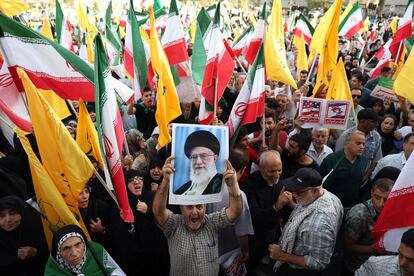
Both Khamenei and the Islamic Republic still have assets that Washington is likely weighing. The first, the support of its military and security forces. Another is that Khamenei is the religious leader of the Shiites, not only of the Iranians, but also of those distributed as minorities in neighboring countries or who, in the case of volatile Iraq, are even the majority. A regime change forced by foreign military intervention could give way to chaos, inflame the region and encourage separatist impulses, something that Washington’s Arab allies do not want either, especially Saudi Arabia, where the Trump family has important economic interests.
The Islamic regime also has a base of popular support, recalls Professor Mauriello, whether due to ideology or survival. Some eight million Iranians depend on the public sector in one way or another. In the last presidential elections, 13 million out of a total of 61 million voters voted for Saeed Jalili, the ultra-conservative who embodied the essence of the Islamic Republic.
For more updates, visit our homepage: NewsTimesWire