Herpes simplex virus (HSV) is among the most prevalent sexually transmitted infections worldwide — with an estimated 67% of adults under 50 globally carrying HSV-1 (oral herpes) and approximately 11% carrying HSV-2 (genital herpes), according to World Health Organization estimates. Despite this prevalence, herpes testing remains poorly understood, inconsistently performed, and surrounded by significant stigma that creates barriers to both testing and disclosure. Understanding the available HSV test kits and testing methodologies provides the foundation for more informed, less anxiety-driven engagement with herpes diagnosis.
Why Herpes Is Not Included in Standard STD Panels
The absence of herpes testing from most standard STD panels surprises many people — and reflects a deliberate policy decision by major health organisations rather than an oversight. The CDC does not recommend routine HSV-2 serology testing for asymptomatic individuals in the general population, citing concerns about false positive rates in low-prevalence populations and the psychological harms of positive test results in the absence of clinical disease.
For individuals in low-risk settings, the positive predictive value of a positive HSV-2 serology result — the probability that a positive result genuinely indicates infection rather than a false positive — is lower than in high-risk populations, creating the possibility of significant harm from incorrect diagnosis. The recommendation for testing is therefore targeted toward individuals with symptoms consistent with herpes, those with known herpes-positive partners, and those with specific risk factors warranting testing.
Types of HSV Tests Available
Two fundamentally different approaches to herpes testing exist: direct viral detection and antibody serology. Direct detection methods — including polymerase chain reaction (PCR) testing of swabs from active lesions, and viral culture — identify the actual virus from a sore or lesion. PCR is the most sensitive available method and is the gold standard for diagnosing active herpetic lesions. Culture is less sensitive than PCR but confirms live virus when positive.
Serology — blood testing for HSV-1 and HSV-2 antibodies — detects immune responses to past infection rather than active virus. Serology can identify infection in individuals without active symptoms but has important limitations: it requires 12–16 weeks from exposure before antibodies reliably develop (the “window period”), and IgM antibody testing — marketed by some at-home HSV test kits as an early detection method — has poor sensitivity and specificity and is not recommended by clinical guidelines.
At-Home HSV Test Kits
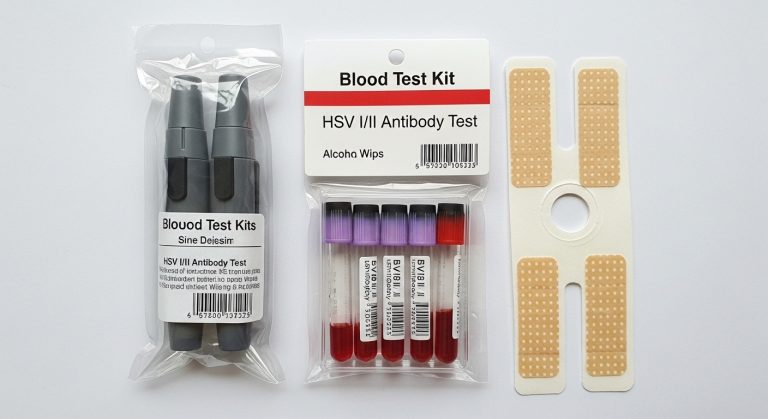
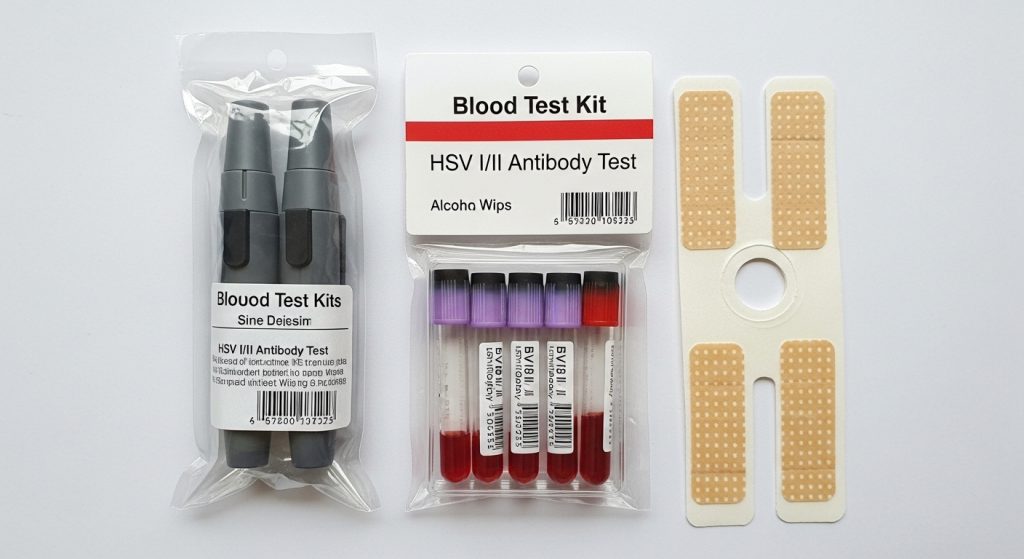
The availability of at-home HSV test kits has expanded considerably, ranging from blood spot collection kits that are mailed to certified laboratories for IgG serology testing to provider-facilitated options that include clinical interpretation. Understanding the specific test methodology, window period, and sensitivity and specificity of any at-home HSV test kit before purchasing is essential — a negative result from a test with inadequate sensitivity provides false reassurance, while a positive result without clinical context creates unnecessary distress.
Reliable health information platforms like mymedicallab.net help navigate the options, explaining what different test types measure, how to interpret results appropriately, and when clinical consultation adds value beyond at-home testing alone. Knowing the difference between an IgG serology test and a PCR swab test is the starting point for making herpes testing decisions that are genuinely informative rather than simply reassuring.