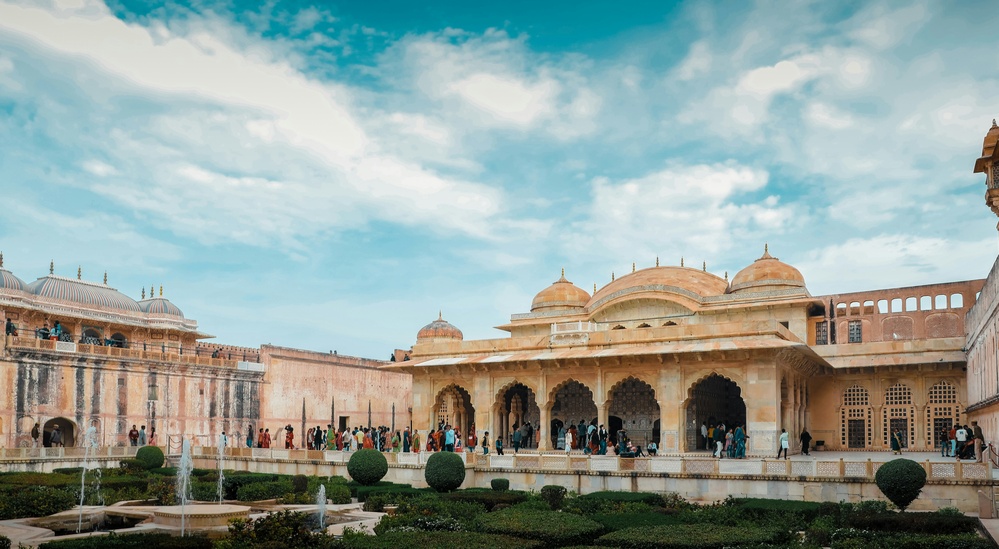
When people think of Rajasthan, images of grand forts, royal palaces, vibrant markets, and vast sand dunes immediately come to mind. However, the desert state offers much more than its regal heritage and golden sands. Wildlife Tourism in Rajasthan is an emerging attraction that draws nature enthusiasts, wildlife photographers, and curious travellers eager to experience the raw, untamed beauty of this majestic land.
A Diverse Wildlife Experience Beyond the Sands
Rajasthan is home to a unique blend of ecosystems, ranging from dry deciduous forests to thorny scrublands and wetlands, which support diverse flora and fauna. The state boasts some of India’s best national parks and wildlife sanctuaries that house endangered and rare species, including the majestic Bengal tiger, elusive leopards, desert foxes, chinkaras, and over 400 species of birds.
Ranthambore National Park: The Tiger’s Realm
No discussion on Wildlife Tourism in Rajasthan is complete without mentioning Ranthambore National Park, located near Sawai Madhopur. Once the royal hunting ground of Jaipur’s Maharajas, Ranthambore is now one of India’s leading tiger reserves under Project Tiger. The park is famed for its high probability of tiger sightings in their natural habitat, especially near the picturesque Raj Bagh ruins, Padam Talao, and Ranthambore Fort.
Visitors can embark on thrilling jeep safaris or canter safaris conducted twice daily by the forest department. Apart from tigers, Ranthambore houses leopards, sloth bears, hyenas, jackals, marsh crocodiles, and a wide variety of birds, making it a paradise for wildlife photographers.
Sariska Tiger Reserve: A Resilient Sanctuary
Another gem that defines Wildlife Tourism in Rajasthan is Sariska Tiger Reserve, located in the Alwar district. Spread over the Aravalli hills, Sariska has a fascinating story of revival. After losing all its tigers due to poaching, Sariska successfully reintroduced tigers from Ranthambore under India’s first tiger relocation project.
Today, the reserve shelters Bengal tigers, leopards, wild boars, sambar deer, and langurs. Visitors also find architectural ruins within the reserve, such as the Kankwari Fort and ancient temples, giving Sariska a mystical aura where history blends with wildlife seamlessly.
Desert National Park: Unique Desert Ecosystem
If you wish to explore wildlife amidst sand dunes, the Desert National Park near Jaisalmer is a must-visit. It offers a glimpse of the fragile desert ecosystem that supports species like chinkara, desert fox, blackbuck, hedgehogs, and desert cats.
The highlight of Desert National Park is the critically endangered Great Indian Bustard, a magnificent ground bird found in limited regions of India. Birdwatchers flock here to spot this rare species, alongside eagles, harriers, falcons, and vultures soaring against the golden backdrop.
Keoladeo National Park: Birdwatcher’s Paradise
Formerly known as Bharatpur Bird Sanctuary, Keoladeo National Park is a UNESCO World Heritage Site and one of Asia’s finest bird reserves. During winter, the park comes alive with migratory birds from Central Asia and Siberia, including the Siberian crane, bar-headed geese, pelicans, herons, and spoonbills.
Visitors can explore Keoladeo on cycle rickshaws, bicycles, or on foot with naturalist guides. The serene wetlands, dense woodlands, and grasslands make it an ideal destination to experience Wildlife Tourism in Rajasthan from a unique avian perspective.
Kumbhalgarh Wildlife Sanctuary: Leopards and Scenic Treks
Surrounding the historic Kumbhalgarh Fort, Kumbhalgarh Wildlife Sanctuary offers another dimension to wildlife tourism. This sanctuary is known for its leopard population and also houses wolves, hyenas, jungle cats, sloth bears, and four-horned antelopes.
Unlike tiger reserves, Kumbhalgarh offers trekking and horseback safari opportunities, making it perfect for travellers looking to combine adventure with wildlife viewing. The sanctuary’s rugged terrain, scenic hills, and dense forests enhance the thrill of spotting animals in their natural environment.
Why Choose Wildlife Tourism in Rajasthan
- Rich Diversity: From tigers to desert foxes and migratory birds, Rajasthan offers wildlife experiences unlike any other Indian state.
- Blended Heritage and Nature: Many sanctuaries are located near forts and ancient ruins, providing a unique blend of history, architecture, and ecology.
- Eco-Tourism Opportunities: Wildlife Tourism in Rajasthan promotes conservation awareness and benefits local communities through sustainable tourism initiatives.
Responsible Wildlife Tourism Practices
While exploring Wildlife Tourism in Rajasthan, it is crucial to follow responsible tourism practices. Avoid littering, maintain silence during safaris, respect the forest rules, and choose authorised guides and eco-friendly resorts to minimise environmental impact and support conservation efforts.
Conclusion
Wildlife Tourism in Rajasthan is a journey into the hidden wild heart of the desert state. Beyond its palatial splendour and cultural vibrance lies a world teeming with life, where tigers roam ancient ruins, birds migrate thousands of miles to breed, and desert creatures thrive against all odds. For travellers seeking to experience Rajasthan’s untamed beauty, its wildlife sanctuaries and national parks promise unforgettable memories and a deeper connection with nature.