It could have been much worse. It is the feeling that predominates in the Brazilian government after this Thursday the president of the United States, Donald Trump, confirmed for the products of the South American country a 50%tariff, the highest of their commercial war. Luiz Inacio Lula Da Silva’s negotiating team spent weeks blindly to Washington’s lack of interest in the dialogue, but the final result was not the expected catastrophe. The tariff, which adds 40% of 10% tariff already announced in April, will enter into force on August 7, almost a week after expected, which gives a certain margin. In addition, it includes about 700 exceptions, about 45% of the products that Brazil exports to the United States. Key sectors and strategic companies are saved, such as the Embraer aircraft manufacturer. Even so, the coup will be hard and a rescue plan for export companies that will be most affected is already underway.
The tension predominates, however, in the political aspect of the conflict. Trump applied severe sanctions against the judge of the Supreme Court Alexandre de Moraes, which for the Brazilian government is an intolerable interference in the sovereignty of the country. The magistrate is judging former president Jair Bolsonaro for having tried a coup after the electoral defeat of 2022.
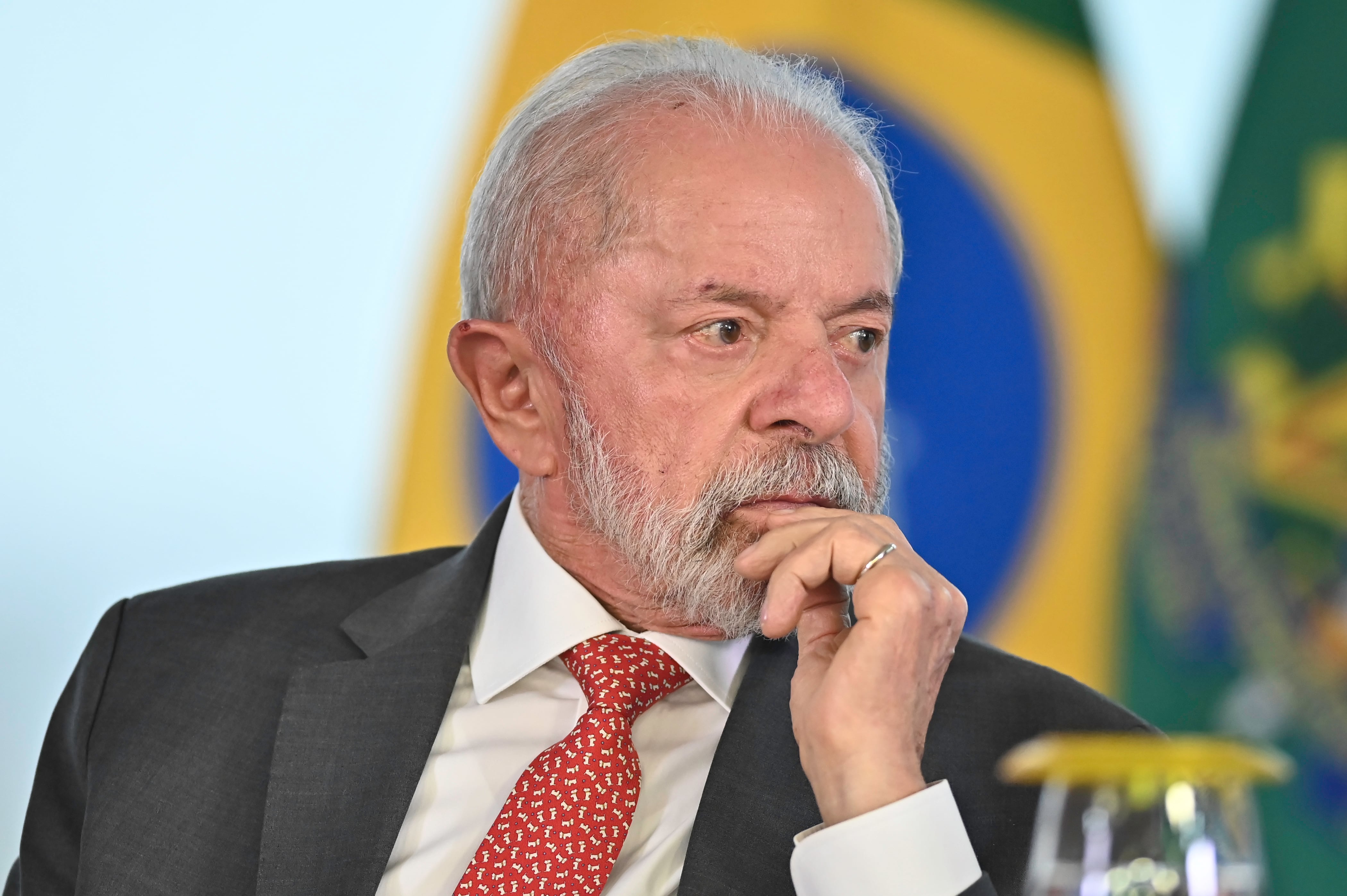
Lula’s reaction, for now, stayed in a hard but sober institutional response. On the one hand, disposition to dialogue in the commercial issue, but not a concession in the rest. “One of the foundations of democracy is the independence of the Judiciary and any attempt to weaken it constitutes a threat to the democratic regime itself. Justice is not negotiated,” he defended.
Moraes, proclaimed enemy number one by Bolsonarism and now by Trumpism, was framed in the Magnitsky Law, which the United States applies to sanction dictators or terrorists. The Brazilian magistrate will be subjected to an economic blockade in the United States that could also complicate life in Brazil, given the impossibility of operating with companies, banks or credit cards of the US flag credit. The Brazilian government studies resorting to the decision in the courts of the United States, although at the moment there is nothing concrete.
In the commercial field, Lula says he is willing to dialogue, although he warns that he will not renounce “the instruments provided for in the legislation to defend the country”, in reference to the Law of Reciprocity, which would allow to tax American products with the same percentage of 50%. That option, however, is not on the table at the moment. The government believes that the surprise of the exceptions has opened a window of opportunity and you have to take advantage of it. “We are at a more favorable starting point than I imagined, but far from the point of arrival,” said Economy Minister Fernando Haddad, who already has a meeting with the US Treasury Secretary, Scott Besent, the second since May. It is a milestone compared to the blockade of the last weeks.
Trump’s tariff saves commercial airplanes, oil, iron, wood or orange juice, but continues to punish bovine meat, fish or most industrial fruits and products. Brazil is the largest food exporter in the world, and although its main commercial partner is China for some time, Trump’s tariff is a very serious threat.
Coffee producers are the most alarmed. The United States is the main destination of its exports. Last year, almost a quarter of the coffee consumed by the Americans left the coffee plantations of Brazil. Until a few days ago, the sector grabbed the rumor that Washington would not tax the foods it does not produce, such as coffee or mangoes, so confirmation of the 50% tariff fell like a jug of cold water. For exporters that will be most affected, the government is finalizing a rescue plan with credit lines and aid to maintain jobs, similar to the one that was launched during the pandemic and will be announced in the coming days.
For more updates, visit our homepage: NewsTimesWire
https://elpais.com/america/2025-08-01/brasil-muestra-cautela-ante-el-tarifazo-de-trump-y-confia-en-una-negociacion.html