Mexico and the United States have returned this Sunday to the path of temperate disagreements that has characterized its relationship, since Donald Trump’s return to the White House, in January. The US Ministry of Agriculture has surprisingly announced that it is unilaterally suspended the land import of cattle from Mexico, at least for two weeks. The fault, said its headline, Brooke Rollins, in a message on its X account, is from the bare -bare worm, a plague that affects Mexican cattle since November.
The announcement has not liked in Mexico. The secretary of the branch south of the Rio Bravo, Julio Berdegué, has shown his disgust in social networks. First he has described the decision as “unilateral” and has said that the measure “does not contribute to our joint strategy against this plague.” Then he has rectified the text of the messages and said: “We do not agree to this extent, but we trust that in less time we will be reaching an agreement.”
This week, Berdegué had gathered in Washington with Rollins, to address this matter, among others. In a message he published on his social networks, Berdegué said: “We achieved agreements that will be beneficial for both countries, including strengthening the mechanisms of dialogue and mutual consultation to address permanent and also those emerging issues.” In the photos that accompanied the message appeared Berdegué and Rollins smiling, crashing their hands.
The meeting was given in a context back to normal in cattle exports to the United States, after the previous suspension, which took place at the end of last year. Because of Berdegué’s words, it seems that the meetings had been productive, but the constant appearance of cases in southern Mexico, and the first contagios in humans, detected in recent days, also in the south, could have motivated the new suspension.
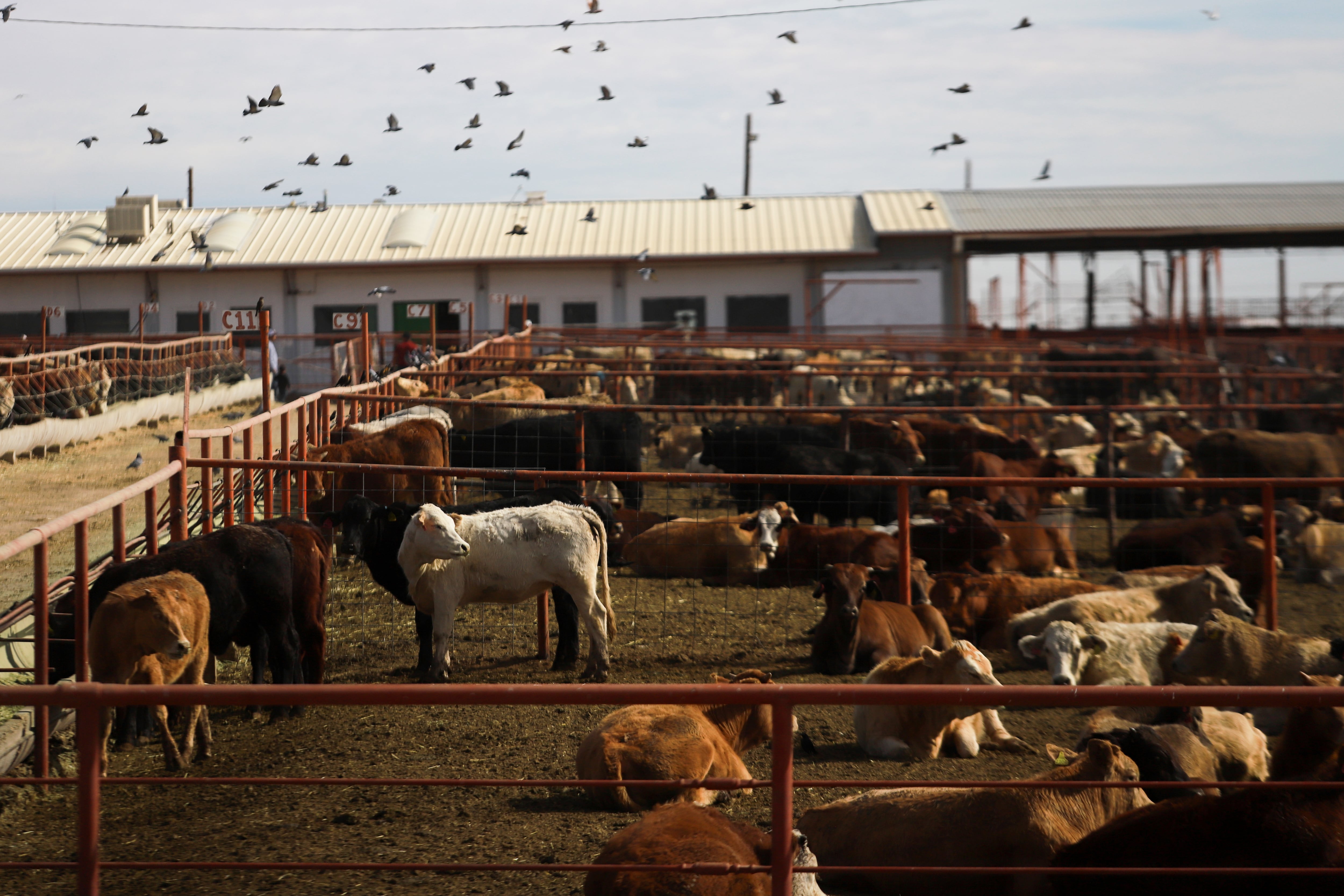
The suspension puts the livestock industry in Mexico in a complicated situation. Every year, the country exports more than 1,000 million dollars in cattle to the neighboring country. The measure, explained the US Ministry of Agriculture, applies to cattle, equine, and also to bison. “The last time this devastating plague invaded the United States, our industry took 30 years to recover. This cannot happen again,” said the agency.
The chestworm plague is caused by the fly Cochliomya hominivorax, that leaves his larvae in the aforementioned cattle, in addition to dogs, cats, sheep, goats, horses and pigs. The larvae feed on living tissue and cause parasitic disease known as myiasis. The effects of the disease caused by the boreride worm have been considered “truly dramatic” by specialists they consider have a devastating impact on livestock production.
For more updates, visit our homepage: NewsTimesWire