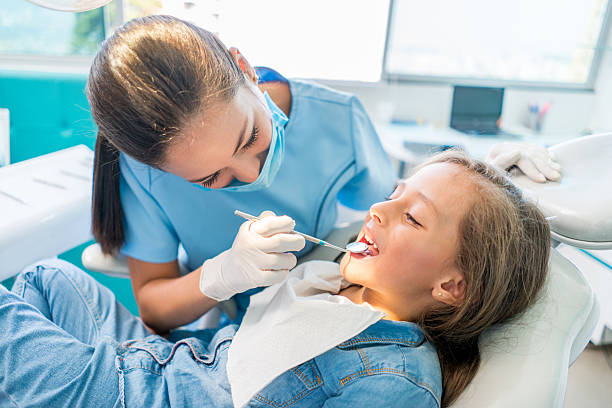
Beautiful girl at the dentist getting a check up on her teeth - pediatrics dental care concepts
Tooth decay in children is more common than many parents think. It can start early and get worse fast. If left untreated, it can lead to pain, infections, and trouble eating or sleeping. Knowing the signs helps parents act early and keep their child’s smile healthy.
Why Early Care Matters
Cavities don’t just happen overnight. They grow slowly, but once they start, they can move quickly. Kids may not always say something hurts. That’s why it’s so important to spot changes early. Parents who take their children for pediatric dentistry in Boca Raton visits often catch these problems before they get worse.
Children’s teeth are more delicate than adult teeth. They can get cavities from sugary foods, not brushing well, or even drinking too much juice. Kids also may miss spots while brushing. That’s where regular cleanings and checkups can make a big difference.
Common Signs of Tooth Decay in Children
You don’t have to be a dental expert to notice signs of tooth decay. Many changes are easy to see or sense if you know what to watch for.
1. White Spots on the Teeth
These spots may look harmless at first. But they’re an early sign that the tooth is losing its strength. If you see white patches near the gums, it’s time to act.
2. Brown or Black Marks
As decay gets worse, teeth can turn dark. You may see a brown or black line on the surface. This usually means a cavity has formed and needs treatment right away.
3. Bad Breath That Doesn’t Go Away
A child with tooth decay may have breath that smells bad even after brushing. That smell can come from bacteria stuck in a cavity.
4. Pain or Trouble Eating
If your child avoids chewing on one side or says their tooth hurts, that’s a strong sign. Kids may say it feels “weird” or “sharp.” They might not always explain it well, so watch for changes in how they eat.
5. Swollen or Bleeding Gums
Decay can spread and affect the gums too. Gums that are red, puffy, or bleed when brushing could mean there’s a deeper problem.
What Your Local Dentist Says
A dentist Boca Raton sees these signs often. Many parents don’t notice the first warning signs because they’re small. That’s why dental visits matter even before there’s pain. A simple visit twice a year can catch problems early.
At a visit, the dentist can check for soft spots, clean off plaque, and give advice on better brushing at home. They may also suggest cutting back on snacks or drinks with sugar. These small steps can help stop cavities before they start.
The dentist will also help teach your child how to care for their teeth. Kids respond well when a trusted adult shows them what to do in a calm, friendly way.
What Parents Can Do at Home
Most of the time, tooth decay can be stopped with better habits at home. Here are a few simple things that make a big difference:
- Brush twice a day using a soft brush and a small amount of fluoride toothpaste.
- Help your child brush until they can do it well on their own (usually around age 7 or 8).
- Cut back on juice, soda, and sticky snacks.
- Give water instead of sweet drinks between meals.
- Schedule dental visits every six months, even if there are no signs of trouble.
It also helps to make brushing fun. Use a timer or a brushing song. Let your child pick their own toothbrush. Praise them for doing a good job. These small things build good habits.
When to See the Dentist Right Away
Some signs mean you should call your dentist sooner:
- A toothache that doesn’t go away
- A pimple-like bump on the gums
- Teeth that are turning dark
- Swelling in the face or jaw
- Any injury to the mouth
Don’t wait for the next checkup if your child is in pain. Quick action can stop the problem from getting worse.
Conclusion
Tooth decay can be scary, but it doesn’t have to be. Knowing the early signs and taking quick steps helps protect your child’s health. At Harris Dentistry in Boca Raton, we care about helping families stay on track with simple, clear advice. Our team is here to guide you every step of the way. If you’re worried about your child’s teeth, or just want a friendly place for a checkup, we’re ready to help.
Frequently Asked Questions (FAQs)
What causes tooth decay in children?
Tooth decay often comes from sugary foods, poor brushing habits, and frequent snacking. Even drinks like juice and milk can cause cavities if teeth aren’t cleaned properly afterward.
What are early signs of cavities in kids?
Look for white spots near the gum line, brown or black marks, bad breath, and pain while eating. These small signs often show up before serious decay develops.
When should my child first see a dentist?
Your child should visit a dentist by their first birthday or within six months of the first tooth coming in. Early visits help catch problems before they get worse.
How can I prevent tooth decay at home?
Brush your child’s teeth twice a day with fluoride toothpaste, limit sugary snacks and drinks, and encourage water between meals. Regular brushing and healthy habits make a big difference.
Is fruit juice bad for children’s teeth?
Yes, even 100% juice contains natural sugars that can feed bacteria. It’s best to offer water between meals and limit juice to mealtimes only.
How often should my child go to the dentist?
Every six months is ideal. Regular checkups help detect early signs of decay, remove plaque, and teach kids how to brush better at home.
What should I do if my child complains of tooth pain?
Call your dentist right away. Ongoing pain could be a sign of infection or a deep cavity that needs treatment as soon as possible.
Are baby teeth really that important?
Yes, baby teeth guide adult teeth into place and help with eating and speaking. Taking care of them is key to long-term oral health.
What are bioactive dental fillings, and are they safe for kids?
Bioactive fillings release minerals that help strengthen teeth and prevent further decay. Bioactive materials of dental fillings are safe, effective, and often used in pediatric dentistry for added protection.
How can I make brushing fun for my child?
Use a timer, play a favorite song, or try a reward chart. Letting your child choose their toothbrush or toothpaste flavor also makes brushing more exciting.