how long does it take for seeds to germinate
Understanding the Germination Process
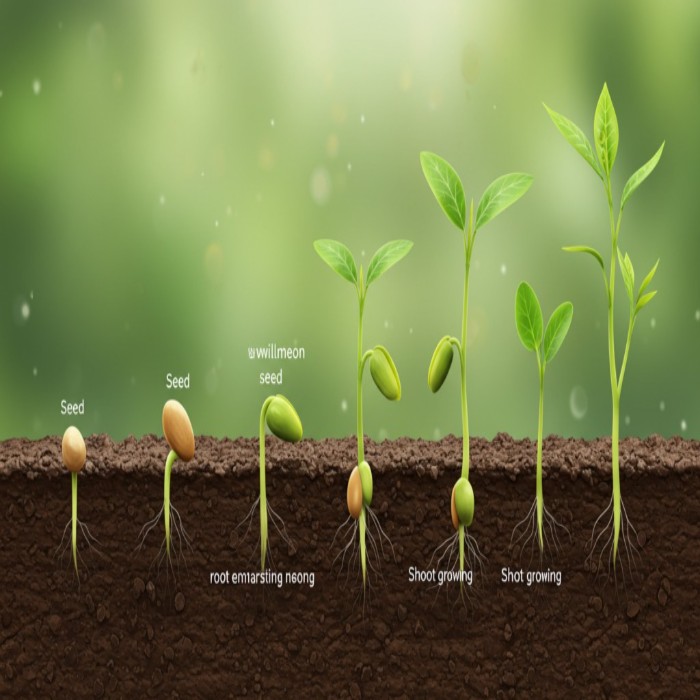
Every seed begins its life with a silent promise of growth. Discover how long does it take for seeds to germinate, as germination times can vary from a few days to months based on seed type and conditions. Germination is the moment when that promise turns real. During germination, a seed absorbs water and wakes from its rest. The process continues when the seed coat softens, and the inner plant begins to push forward. This stage marks the first visible sign of life from the tiny seed. Although each plant is different, every germination stage follows a natural rhythm. Therefore, understanding this rhythm helps gardeners be patient.
Factors That Influence Germination Time
The time for germination is not the same for all seeds. Temperature plays a strong role in this process. Warm conditions often speed up germination, while cold slow the progress. Moisture also decides how quickly a seed sprouts. Without enough water, the seed remains dormant. Soil type adds another factor to the equation. Loamy soil provides balance, while clay soil may hold too much water. Light also influences some seeds that need exposure to sprout. Therefore, every factor connects with one another and shapes the outcome.
Average Germination Periods for Common Seeds
Different seeds sprout within different time frames. Lettuce seeds usually sprout within two to three days. Beans often need seven to ten days. Carrots may take ten to twenty days, depending on conditions. Peppers and tomatoes usually require six to fourteen days. Some seeds, like parsley, may take up to four weeks. Every seed type teaches gardeners patience in its way. Therefore, the key is to study each plant before sowing. This knowledge prevents stress and supports better planning.
How to Create the Right Environment for Seeds
Seeds germinate best in a supportive environment. Therefore, gardeners must prepare soil that drains well and stays moist. Good soil allows oxygen to reach young roots. Temperature control is also essential. Warm mats or greenhouses provide steady warmth for sensitive seeds. Light exposure is another factor that some seeds require. Small containers or trays also support controlled conditions indoors. With these methods, gardeners improve germination rates and reduce failure. Therefore, planning the environment always rewards patience with healthy sprouts.
Common Mistakes That Delay Germination
Many gardeners make errors that prevent timely germination. Overwatering is one of the most common mistakes. When the soil stays too wet, seeds rot before sprouting. Underwatering also delays the process since seeds cannot activate without moisture. Planting depth is another factor that often causes issues. Seeds planted too deeply struggle to reach the light. Poor soil quality also blocks growth since compact soil prevents air circulation. Ignoring seed instructions also creates problems. Therefore, avoiding these mistakes ensures better results and faster sprouts.
Why Patience is the Key to Germination
Every seed demands patience before it rewards growth. Gardeners often expect quick results and feel disappointed. However, nature follows its own pace, not human desire. Waiting teaches gardeners to trust the natural process. Each seedling that breaks through soil reflects patience in action. Furthermore, patience brings emotional satisfaction beyond the harvest. The joy of watching sprouts appear outweighs the wait. Therefore, patience becomes not just a tool but also a reward in itself.
How Long Does It Take for Seeds to Germinate and Reward Your Patience
The question “how long does it take for seeds to germinate and reward your patience” finds many answers. Some seeds sprout within days, while others need weeks. Every type carries its own timeline. However, the reward remains the same for all. A seed that finally sprouts proves that patience is worth the effort. The reward is not only the plant but also the experience of growth. Every gardener feels pride when patience pays off with healthy green life. Therefore, the journey from seed to sprout always rewards dedication.