Heat exchangers are critical components in industries such as oil and gas, petrochemicals, power generation, and marine engineering. They are responsible for efficiently transferring heat between two fluids without mixing them. However, given the demanding operating conditions, especially in high-temperature and corrosive environments, the materials used to manufacture heat exchangers must exhibit superior mechanical strength, thermal stability, and resistance to corrosion.
This is where Inconel 625 Sheets prove to be the material of choice. With their remarkable combination of properties, Inconel 625 offers reliability, durability, and efficiency that few alloys can match. Let’s explore in detail why these sheets are the preferred material for heat exchangers in high-temperature applications.
What Are Inconel 625 Sheets?
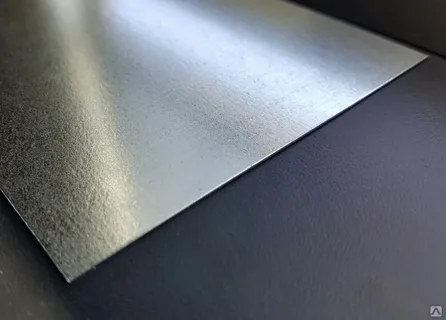
Inconel 625 is a nickel-chromium-molybdenum alloy with the UNS designation N06625. The alloy is renowned for its outstanding resistance to oxidation, corrosion, and creep at elevated temperatures. When processed into sheets, Inconel 625 becomes a highly versatile material that can be fabricated into heat exchanger tubes, plates, and components.
The primary alloying elements—nickel, chromium, molybdenum, and niobium—work synergistically to deliver:
- High tensile strength
- Excellent resistance to chloride-ion stress corrosion cracking
- Stability across a broad temperature range (-196°C to 982°C)
- Superior weldability without post-weld heat treatment
Because of these qualities, Inconel 625 Sheets are widely used in high-stress, high-heat environments where other materials might fail.
Challenges in Heat Exchanger Applications
Before understanding the benefits of Inconel 625, it’s important to look at the challenges heat exchangers face in real-world industrial applications:
- High Temperatures – Heat exchangers often operate above 600°C in petrochemical and power plants. Ordinary stainless steel may lose strength under such conditions.
- Corrosive Media – Exposure to seawater, acids, or process gases leads to rapid corrosion in standard alloys.
- Pressure Fluctuations – Frequent temperature and pressure cycling can cause thermal fatigue and cracking.
- Oxidizing Environments – Constant exposure to oxygen-rich conditions accelerates scaling and surface degradation.
- Maintenance Costs – Materials with poor durability result in frequent replacements and high downtime costs.
Given these challenges, only specialized alloys like Inconel 625 can provide a long-term, cost-effective solution.
Key Advantages of Inconel 625 Sheets in Heat Exchangers
1. Superior High-Temperature Strength
Inconel 625 retains its mechanical strength even at elevated temperatures up to 982°C. Unlike conventional stainless steels that lose tensile strength with rising temperatures, Inconel 625 maintains performance, making it ideal for heat exchangers exposed to extreme thermal conditions.
2. Exceptional Corrosion Resistance
The high nickel and chromium content ensures excellent resistance to oxidizing and reducing conditions. Additionally, molybdenum enhances protection against pitting and crevice corrosion, while niobium prevents intergranular corrosion. This is particularly beneficial in marine-based heat exchangers where seawater exposure is constant.
3. Resistance to Oxidation and Scaling
At high temperatures, materials are vulnerable to oxidation and surface scaling, which can reduce efficiency. Inconel 625 forms a stable oxide layer that protects the surface and prolongs the lifespan of the heat exchanger components.
4. Excellent Fatigue and Stress Resistance
In applications where heat exchangers undergo thermal cycling and fluctuating pressures, Inconel 625 sheets demonstrate outstanding resistance to stress cracking and fatigue. This ensures long-term structural integrity.
5. Ease of Fabrication and Welding
Unlike many high-performance alloys, Inconel 625 offers excellent fabricability. It can be easily welded and does not require post-weld heat treatment, reducing manufacturing and installation costs for heat exchanger construction.
Applications of Inconel 625 Sheets in Heat Exchangers
Due to their robust performance, Inconel 625 sheets are used in multiple industries for heat exchangers, such as:
- Petrochemical Industry: For handling hot, corrosive gases and liquids during refining and chemical processes.
- Power Generation: In gas turbine engines and nuclear power plants where materials must withstand high heat and stress.
- Marine Engineering: For seawater-cooled heat exchangers in ships, offshore platforms, and desalination plants.
- Aerospace Industry: In auxiliary power units and turbine engines where high-temperature heat exchangers are crucial.
- Pharmaceutical and Food Industry: For clean and corrosion-resistant heat exchange in specialized equipment.
Case Study: Inconel 625 in Seawater-Cooled Heat Exchangers
One of the most prominent applications of Inconel 625 sheets is in seawater-cooled heat exchangers. Traditional stainless steels tend to corrode rapidly in chloride-rich seawater. However, Inconel 625’s molybdenum-enriched composition offers exceptional resistance to pitting and crevice corrosion.
This makes it invaluable for offshore oil rigs, marine engines, and desalination plants, where reliability and longevity are critical. By reducing downtime and maintenance needs, Inconel 625 provides both performance and cost-efficiency.
Comparing Inconel 625 Sheets with Other Materials
| Property | Stainless Steel (316L) | Titanium | Inconel 625 Sheets |
| High-Temperature Strength | Moderate | High | Excellent |
| Corrosion Resistance (Seawater) | Moderate | Excellent | Excellent |
| Fabricability | High | Moderate | High |
| Cost | Low | High | Moderate |
| Weldability | Excellent | Difficult | Excellent |
From the comparison, it is clear that while stainless steel is cheaper, it cannot withstand extreme conditions. Titanium is excellent but comes with a high cost and fabrication challenges. Inconel 625 sheets offer a balanced solution, combining durability, corrosion resistance, and cost-effectiveness.
Sustainability Benefits of Inconel 625 Sheets
Another reason why industries prefer Inconel 625 sheets is their sustainability aspect. The alloy has a long service life, meaning fewer replacements and reduced material waste. Additionally, Inconel 625 is recyclable, supporting eco-friendly initiatives in industries that aim to reduce their carbon footprint.
Conclusion
Heat exchangers play an indispensable role in modern industries, and their efficiency and reliability depend heavily on the materials used. Inconel 625 Sheets have proven to be one of the best options for high-temperature and corrosive environments due to their unmatched strength, corrosion resistance, fatigue resistance, and fabricability.
Whether in marine, petrochemical, power generation, or aerospace applications, Inconel 625 continues to deliver long-lasting performance while lowering maintenance and operational costs. For industries looking to improve the durability and efficiency of their heat exchangers, investing in Inconel 625 sheets is not just a smart choice—it is the future of high-performance engineering.