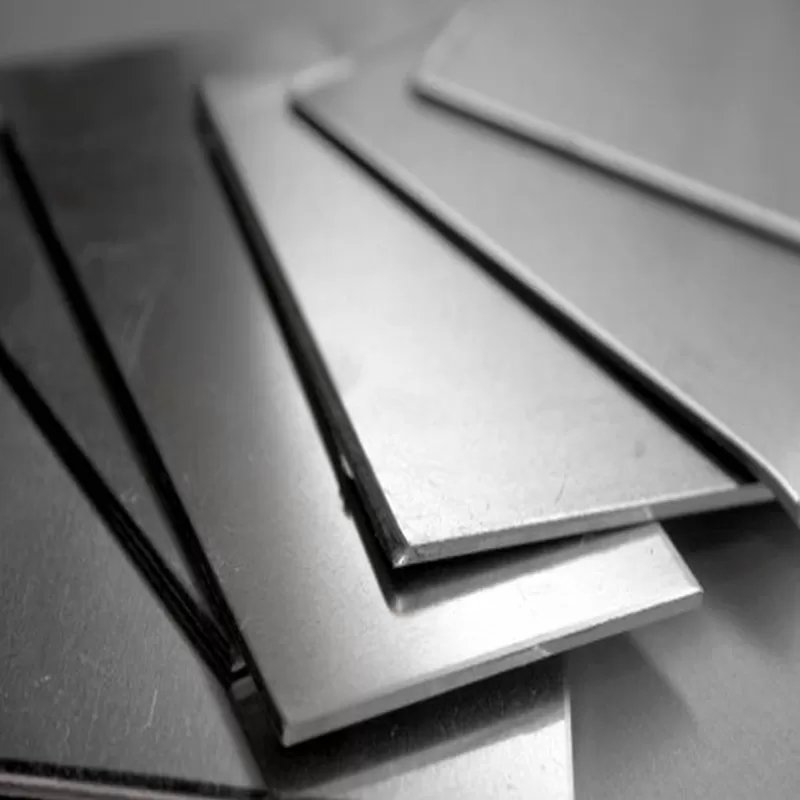
Monel alloys have long been recognized for their strength, durability, and excellent resistance to corrosion. Among the many grades of Monel, Monel K500 Plates stand out as one of the most versatile and reliable materials used across demanding industrial applications. Whether in marine engineering, aerospace, chemical processing, or oil and gas operations, Monel K500 Plates deliver performance where other metals fall short.
In this blog, we’ll explore what Monel plates are used for, with a specific focus on Monel K500 Plates, their unique properties, and the industries that rely on them.
Understanding Monel K500 Plates
Monel is a nickel-copper alloy known for its corrosion resistance and durability. Monel K500 is an advanced version of Monel 400, created by adding aluminum and titanium to the base alloy. This addition provides exceptional strength through age-hardening (precipitation hardening) without compromising the material’s resistance to corrosion.
Key properties of Monel K500 Plates include:
- High strength and toughness even at sub-zero temperatures
- Superior resistance to seawater and salt spray
- Excellent resistance to acids and alkalis
- Non-magnetic nature at temperatures down to -150°C
- Longer service life in corrosive and high-pressure environments
Because of these outstanding qualities, Monel K500 Plates are often chosen for applications that demand both durability and corrosion resistance.
What Are Monel Plates Used For?
1. Marine Engineering Applications
One of the most prominent uses of Monel K500 Plates is in the marine industry. Constant exposure to seawater makes it critical to use materials that won’t degrade or corrode. Monel K500 is perfectly suited for this environment.
- Propeller shafts and blades
- Pump shafts and impellers
- Valves, fasteners, and seawater piping systems
- Heat exchangers for desalination plants
Thanks to their superior resistance to saltwater corrosion, Monel K500 Plates are widely preferred for building long-lasting marine components.
- Oil and Gas Industry
The oil and gas industry deals with harsh, high-pressure, and high-temperature environments. Materials exposed to sour gas (hydrogen sulfide-rich environments) require strong corrosion resistance to avoid rapid degradation.
Monel K500 Plates are used for:
- Drill collars and drill components
- Pump shafts and valve trim parts
- Safety-critical fasteners in offshore platforms
- Components for downhole tools and production equipment
Their combination of strength, fatigue resistance, and corrosion resistance makes them highly valuable in oil rigs and petrochemical plants.
- Chemical Processing Equipment
In chemical industries, materials are constantly exposed to harsh chemicals like hydrofluoric acid, sulfuric acid, and caustic soda. Most metals fail to withstand these environments, but Monel K500 Plates excel.
Applications include:
- Pumps, valves, and heat exchangers
- Process piping systems
- Storage tanks and reactor vessels
- Evaporators and chemical mixers
The alloy’s resistance to acids and alkalis makes it one of the most reliable choices for the chemical sector.
- Aerospace and Defense
The aerospace sector requires lightweight yet durable alloys that can withstand extreme conditions. Monel K500 Plates are often used in:
- Aircraft engine components
- Landing gear parts
- Springs and fasteners exposed to high stress
- Defense equipment exposed to seawater or harsh environments
Their non-magnetic properties also make them valuable for sensitive applications where magnetism could interfere with functionality.
- Medical and Pharmaceutical Applications
Since Monel K500 Plates are resistant to corrosion, they are used in pharmaceutical equipment and some medical applications where hygiene and durability are critical. For example:
- Sterilization equipment
- High-pressure medical valves
- Equipment for manufacturing and handling corrosive substances
- Power Generation Industry
Monel K500 is used in power plants—particularly nuclear and hydroelectric facilities—because of its reliability under stress and corrosion resistance. Plates are used in turbine shafts, fasteners, and heat exchanger parts.
- Fasteners and Springs
Because of its age-hardened strength, Monel K500 is an excellent choice for fasteners, bolts, and springs that must resist both corrosive environments and mechanical stress. Industries like marine engineering, aerospace, and oil rigs heavily rely on Monel K500 fasteners for critical operations.
Advantages of Monel K500 Plates
- Corrosion Resistance: Excellent in seawater, acidic, and alkaline environments.
- High Strength: Much stronger than Monel 400 due to precipitation hardening.
- Non-Magnetic: Useful in sensitive applications.
- Durability: Long service life even in extreme conditions.
- Versatility: Suitable for multiple industries, from marine to aerospace.
Limitations of Monel K500 Plates
While Monel K500 Plates are highly effective, they also come with some challenges:
- Cost: More expensive compared to conventional stainless steel or carbon steel.
- Machinability: Harder to machine due to its high strength.
- Availability: Not as widely available as other metals, which can cause longer lead times.
Despite these drawbacks, industries continue to prefer Monel K500 Plates where performance is critical.
Conclusion
So, what are Monel plates used for? The answer lies in their ability to perform in environments where other materials fail. Monel K500 Plates are extensively used in marine, oil and gas, aerospace, chemical, and power generation industries thanks to their exceptional corrosion resistance, strength, and durability.
While the cost may be higher compared to standard alloys, the long-term performance and reliability of Monel K500 Plates make them a cost-effective investment in demanding industrial applications.
If your project requires a material that can withstand saltwater, harsh chemicals, extreme temperatures, and high pressure, Monel K500 Plates are an excellent choice.