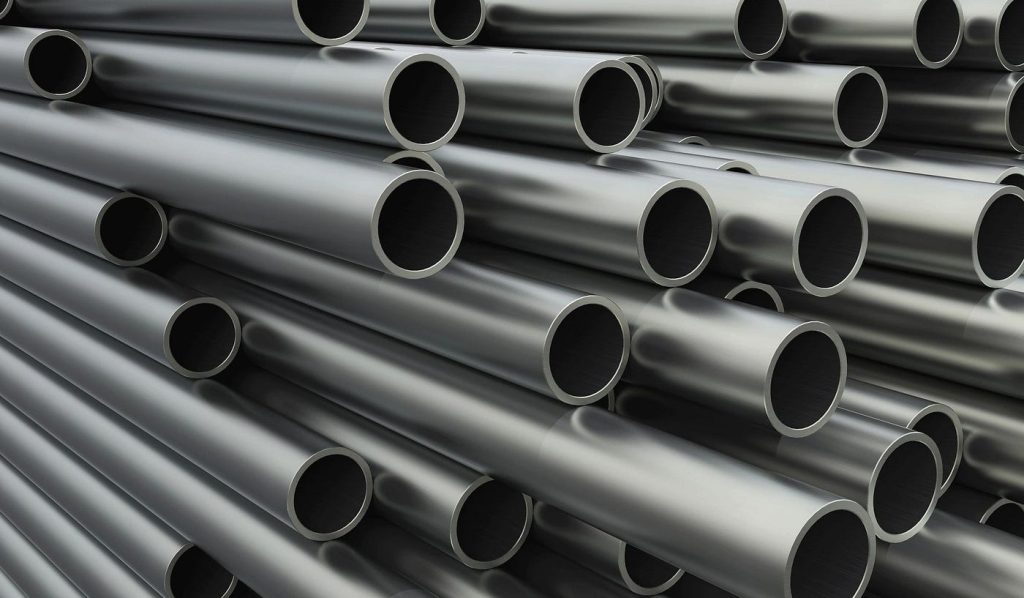
In industries that operate under extreme conditions, the choice of piping material is crucial. High-temperature resistance, corrosion resistance, and mechanical strength are all essential factors that determine the performance and longevity of industrial piping systems. Two popular materials in this category are Incoloy 600 pipe and Inconel pipes.
Both of these nickel-based alloys are widely used in chemical processing, power generation, petrochemical plants, and other high-performance applications. However, they differ in composition, properties, and suitability for specific applications. In this blog, we will compare Incoloy 600 Pipe with Inconel pipes to help you make an informed decision.
Understanding Incoloy 600 Pipe
Incoloy 600 is a nickel-chromium-iron alloy designed to withstand high temperatures and corrosive environments. It combines the corrosion resistance of nickel with the structural strength of iron, making it highly reliable for demanding industrial applications.
Key Properties of Incoloy 600 Pipe:
- Excellent resistance to oxidation and carburization at high temperatures
- Good resistance to chloride-ion stress corrosion cracking
- High tensile strength and toughness
- Suitable for continuous service up to 1100°C
- Performs well in acidic and chemical environments
These properties make Incoloy 600 pipes an ideal choice for heat exchangers, furnaces, chemical reactors, and other critical high-temperature equipment.
Understanding Inconel Pipes
Inconel is a family of nickel-chromium-based superalloys, with Inconel 600, 625, and 718 being the most common grades. Inconel pipes are known for their exceptional strength, oxidation resistance, and corrosion resistance under extreme conditions.
Key Properties of Inconel Pipes:
- Outstanding resistance to high-temperature oxidation
- Excellent mechanical strength at elevated temperatures
- Corrosion resistance in acidic and chloride-rich environments
- Low thermal expansion and high fatigue resistance
- Suitable for both continuous and intermittent high-temperature service
Inconel pipes are often preferred in aerospace, marine, power generation, and chemical processing applications where durability and performance cannot be compromised.
Chemical Composition Comparison
While both Incoloy 600 and Inconel pipes are nickel-based, their exact chemical compositions differ slightly, affecting their performance in specific applications:
| Alloy | Nickel (Ni) | Chromium (Cr) | Iron (Fe) | Additional Elements |
|---|---|---|---|---|
| Incoloy 600 | 72% min | 14-17% | Balance | Manganese, Silicon, Carbon |
| Inconel 600 | 72% min | 14-17% | Balance | Iron, Carbon, Manganese, Silicon |
The similarities in composition mean that both alloys share high corrosion resistance, but variations in heat treatment and mechanical properties make each suitable for slightly different applications.
Performance Comparison
1. High-Temperature Resistance
- Incoloy 600 Pipe: Can withstand temperatures up to 1100°C in continuous service and 1200°C in intermittent service. Excellent for furnaces, heat exchangers, and high-temperature chemical processes.
- Inconel Pipes: Typically offer similar or slightly higher temperature tolerance depending on the grade. For example, Inconel 625 can withstand up to 980°C continuously, while Inconel 718 performs well under cryogenic conditions as well.
2. Corrosion Resistance
- Incoloy 600 Pipe: Performs well in oxidizing and mildly reducing environments. Resistant to chloride-induced stress corrosion cracking.
- Inconel Pipes: Provide superior corrosion resistance in aggressive chemical environments and seawater applications. They are more resistant to pitting and crevice corrosion in extreme conditions.
3. Mechanical Strength
- Incoloy 600 Pipe: High tensile strength and toughness, suitable for industrial piping and structural applications at high temperatures.
- Inconel Pipes: Generally exhibit higher mechanical strength and creep resistance, especially Inconel 625 and 718, making them suitable for aerospace and high-stress applications.
4. Cost Considerations
- Incoloy 600 Pipe: Often more cost-effective than Inconel pipes while still providing excellent performance for most high-temperature and chemical applications.
- Inconel Pipes: More expensive due to higher nickel content and specialized manufacturing processes. The higher cost is justified for applications requiring extreme strength and corrosion resistance.
Applications of Incoloy 600 Pipe
Incoloy 600 pipes are widely used across industries where heat and corrosion resistance are crucial:
- Heat exchangers and condensers
- Furnace components and kiln equipment
- Chemical reactors and piping systems
- Oil and gas processing units
- Aerospace ducting and exhaust systems
Applications of Inconel Pipes
Inconel pipes are preferred in applications where extreme conditions or critical performance is required:
- Aerospace engine components
- Marine equipment exposed to seawater
- Nuclear reactors and power generation plants
- High-pressure chemical processing units
- Petrochemical refineries
Choosing Between Incoloy 600 Pipe and Inconel Pipes
When selecting the right pipe material, consider the following factors:
- Operating Environment: For extremely corrosive or seawater conditions, Inconel may be the better choice. For general high-temperature service, Incoloy 600 is sufficient.
- Mechanical Requirements: Inconel pipes generally provide higher strength and fatigue resistance.
- Temperature Range: Both alloys perform well at high temperatures, but specific grades of Inconel offer additional creep resistance for extreme conditions.
- Budget: Incoloy 600 pipes are more cost-effective for most industrial applications, while Inconel pipes are suited for specialized, high-performance needs.
- Industry Standards: Ensure compliance with ASTM, ASME, or other relevant codes when selecting either alloy.
Conclusion
Both Incoloy 600 pipe and Inconel pipes offer exceptional performance in high-temperature and corrosive environments. Incoloy 600 is cost-effective, versatile, and reliable for most industrial applications, making it ideal for heat exchangers, chemical plants, and high-temperature systems. Inconel pipes, while more expensive, provide superior mechanical strength and corrosion resistance, making them suitable for aerospace, marine, and highly specialized industrial applications.
Choosing the right material depends on your specific operating conditions, mechanical requirements, and budget. By understanding the differences and similarities between Incoloy 600 Pipe and Inconel pipes, industries can make informed decisions that ensure long-term performance and cost efficiency.