Inflammation is a natural defence mechanism — your body’s way of fighting infection, injury, and disease. However, when this system stays switched on, it quietly chips away at your health, increasing the risk of conditions far beyond painful joints. For men, chronic inflammation can affect everything from heart function and hormonal balance to reproductive health.
An anti-inflammatory diet is more than a trend. It’s a practical, long-term approach to keeping your body strong, your mind sharp, and your internal systems functioning smoothly. If you’ve ever experienced persistent pain, unexplained fatigue, or even male reproductive issues such as epididymitis, inflammation may be the underlying link.
Let’s explore how the right foods can help you protect not just your joints but your entire body.
What Is Inflammation and Why Should Men Care?
Inflammation is your immune system’s natural response to threats. When you cut yourself, catch a virus, or strain a muscle, your body sends white blood cells to the affected area to start healing. This short-term (acute) inflammation is essential for recovery.
The problem arises when inflammation becomes long-term or “systemic.” This chronic inflammation can quietly harm blood vessels, joints, and organs. Over time, it contributes to diseases such as:
- Arthritis and gout
- Heart disease
- Type 2 diabetes
- Prostate inflammation and epididymitis
- Autoimmune conditions
- Obesity-related complications
Men tend to have higher rates of inflammatory diseases due to lifestyle factors such as poor diet, stress, alcohol consumption, and lack of physical activity. Recognising the signs early and making dietary changes can dramatically reduce these risks.
How an Anti-Inflammatory Diet Works
An anti-inflammatory diet focuses on whole, unprocessed foods that reduce oxidative stress and support your immune system’s balance. The aim is to supply your body with nutrients that fight inflammation rather than fuel it.
You’ll find that this approach isn’t a strict meal plan — it’s a sustainable way of eating. It encourages you to include foods that promote healing while avoiding those that aggravate inflammation.
Core Principles of an Anti-Inflammatory Diet
- Prioritise Fresh, Whole Foods
Fill your plate with fruits, vegetables, legumes, nuts, and seeds. These provide vitamins, minerals, and antioxidants that reduce inflammation. - Focus on Healthy Fats
Omega-3 fatty acids found in salmon, sardines, flaxseeds, and walnuts are known to reduce inflammation. Limit saturated and trans fats commonly found in processed foods and fried snacks. - Choose Lean Protein Sources
Opt for poultry, fish, eggs, and plant-based proteins like lentils and chickpeas. These support muscle repair without contributing to inflammation. - Include Whole Grains
Whole grains such as oats, brown rice, and quinoa provide fibre and essential nutrients that regulate blood sugar and support gut health. - Limit Sugar and Refined Carbohydrates
Excess sugar triggers insulin spikes, which can promote inflammation. Cut back on sugary drinks, pastries, and white bread. - Stay Hydrated
Water helps flush toxins and keeps your body’s systems running efficiently. Green tea, herbal teas, and lemon water also have anti-inflammatory effects.
Foods That Reduce Inflammation
1. Fatty Fish
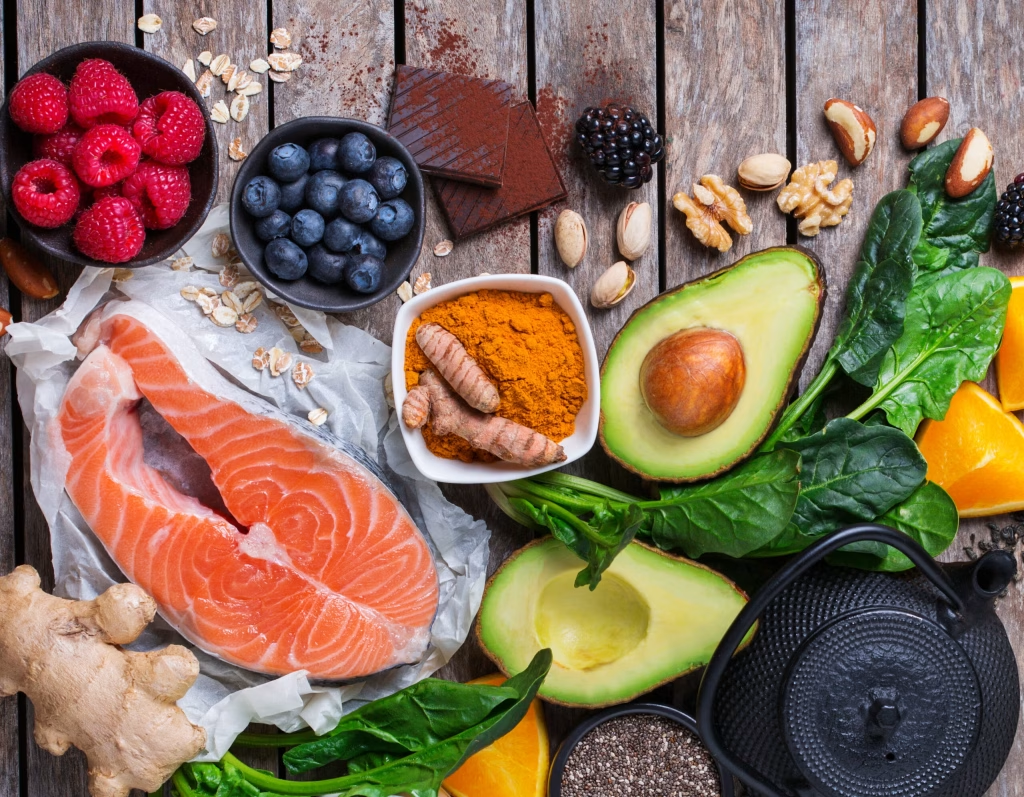
Salmon, tuna, and mackerel are rich in omega-3 fatty acids that directly lower inflammatory markers in your blood. Try including oily fish in your diet at least twice a week.
2. Berries and Colourful Fruits
Blueberries, cherries, oranges, and strawberries are high in antioxidants called flavonoids. These protect cells from damage caused by free radicals.
3. Leafy Greens
Spinach, kale, and broccoli provide vitamins A, C, and K, along with powerful plant compounds that regulate inflammation.
4. Nuts and Seeds
Almonds, walnuts, chia seeds, and flaxseeds offer healthy fats and magnesium, which is vital for reducing inflammatory stress.
5. Olive Oil
Extra virgin olive oil is the cornerstone of many anti-inflammatory diets, including the Mediterranean diet. It’s rich in polyphenols that support heart and vascular health.
6. Spices
Turmeric, ginger, cinnamon, and garlic all contain natural anti-inflammatory compounds. Add them to meals daily to enhance flavour and health benefits.
7. Green Tea
This beverage is loaded with catechins, powerful antioxidants that support brain and heart health while calming inflammation.
Foods That Worsen Inflammation
To get the full benefit of an anti-inflammatory diet, you must also reduce foods that trigger inflammation.
- Processed meats (bacon, sausages, ham)
- Refined carbs (white bread, sugary cereals)
- Fried foods (crisps, chips, fried chicken)
- Sugar-sweetened drinks (sodas, energy drinks)
- Excess alcohol
- Trans fats (found in margarine and packaged snacks)
These foods encourage the production of inflammatory molecules and oxidative stress, making your symptoms worse over time.
Anti-Inflammatory Diet and Men’s Health
1. Heart and Blood Vessel Protection
Heart disease remains one of the leading causes of death among men. Chronic inflammation stiffens arteries and increases the risk of heart attacks. By eating anti-inflammatory foods like oily fish, avocados, and green vegetables, you help maintain flexible blood vessels and stable cholesterol levels.
2. Joint Health and Mobility
Men who stay active often experience inflammation-related joint pain. Anti-inflammatory foods reduce swelling and pain, supporting recovery and flexibility. Combining diet changes with low-impact exercise such as swimming or cycling can improve mobility over time.
3. Hormonal Balance
Excess sugar, alcohol, and processed foods can disrupt testosterone levels. An anti-inflammatory diet rich in zinc, magnesium, and antioxidants helps regulate hormones and improve reproductive function.
4. Gut Health
Your digestive system is directly linked to inflammation. A diet high in fibre and fermented foods like yoghurt, kefir, and sauerkraut supports healthy gut bacteria, which in turn reduces inflammation across the body.
5. Reproductive Health: A Hidden Link
Few men realise that inflammation also affects reproductive organs. Chronic inflammation can contribute to conditions like epididymitis — an infection or inflammation of the epididymis that causes pain and swelling in the testicles.
An anti-inflammatory diet can support recovery and prevention by strengthening the immune response and reducing systemic inflammation. In addition, natural approaches such as Epididymitis Natural Treatment and Herbal Remedies for Epididymitis may offer complementary relief when combined with a nutrient-rich diet. Always consult a healthcare professional before starting any new treatment plan.
Anti-Inflammatory Diet in Action: Building a Daily Meal Plan
You don’t need to overhaul your entire diet overnight. Start by making small, consistent changes. Here’s a simple plan to get you started:
Breakfast
- Oatmeal topped with blueberries, flaxseeds, and a drizzle of honey
- Green tea or lemon-infused water
Mid-Morning Snack
- A handful of almonds or walnuts
- An apple or a pear
Lunch
- Grilled salmon with mixed greens, cherry tomatoes, olive oil, and balsamic vinegar
- A side of quinoa or brown rice
Afternoon Snack
- Greek yoghurt with cinnamon
- Herbal tea with ginger
Dinner
- Stir-fried vegetables (broccoli, bell peppers, spinach) with tofu or chicken
- Turmeric-spiced lentil soup
- A small portion of whole-grain bread
Evening Option
- Chamomile or green tea
- A few pieces of dark chocolate (70% cocoa or higher)
This routine provides a balance of nutrients, antioxidants, and healthy fats that help calm inflammation naturally.
Lifestyle Factors That Support an Anti-Inflammatory Diet
Diet is only part of the equation. To truly protect your body, combine your eating plan with supportive habits.
1. Regular Exercise
Aim for 30 minutes of moderate activity most days of the week. Walking, cycling, or resistance training enhances circulation and reduces inflammation markers.
2. Quality Sleep
Poor sleep increases stress hormones, which drive inflammation. Try to get 7–9 hours of restful sleep each night.
3. Stress Management
Chronic stress fuels inflammation through hormonal pathways. Techniques like deep breathing, meditation, and mindfulness can make a significant difference.
4. Quit Smoking
Tobacco smoke triggers oxidative stress and damages tissues throughout your body. Quitting reduces inflammation almost immediately.
5. Maintain a Healthy Weight
Excess body fat, especially around the abdomen, releases inflammatory chemicals. Losing even a small amount of weight can have a major impact on overall inflammation.
Supplements That Can Support an Anti-Inflammatory Diet
While a balanced diet is the foundation, certain supplements can provide additional support. Nutritional deficiencies are common, especially if you’re busy or recovering from illness.
Consider incorporating Premium Health Supplements that include omega-3 fatty acids, curcumin (from turmeric), vitamin D, magnesium, and probiotics. These nutrients help bridge dietary gaps and strengthen your anti-inflammatory defences.
However, supplements should complement, not replace, a healthy diet. Always choose products with verified quality and consult your doctor before starting new supplements.
The Long-Term Impact of Reducing Inflammation
Following an anti-inflammatory diet offers benefits far beyond what you might expect. Over time, men report noticeable improvements such as:
- Better energy levels
- Reduced joint pain and stiffness
- Improved concentration and memory
- Enhanced sexual health and fertility
- Lower risk of chronic diseases
- Improved skin clarity and tone
The key is consistency. Small daily changes compound into long-lasting health improvements.
Common Myths About Anti-Inflammatory Diets
Myth 1: You Need to Go Vegan
You don’t have to cut out all animal products. The focus is on choosing lean proteins and fish rich in healthy fats.
Myth 2: All Fats Are Bad
In reality, fats like olive oil, avocado, and nuts are essential for reducing inflammation. It’s the trans fats and processed oils you need to avoid.
Myth 3: Supplements Are a Substitute for Real Food
While supplements can fill nutritional gaps, they can’t mimic the synergy of nutrients found in whole foods.
Myth 4: You’ll Feel Results Overnight
Dietary changes take time. You may notice improvements within weeks, but the full benefits come from long-term commitment.
Practical Tips for Staying Consistent
- Shop for fresh ingredients once a week.
- Prepare meals in advance to avoid processed convenience foods.
- Experiment with herbs and spices to keep meals exciting.
- Keep healthy snacks, like nuts and fruit, easily accessible.
- Stay hydrated throughout the day.
Consistency is far more important than perfection. The goal is to create an eating pattern that supports your health for years to come.
Conclusion: Protecting More Than Just Your Joints
Inflammation is a silent disruptor — but you have more control over it than you might think. By adopting an anti-inflammatory diet, you support your heart, brain, immune system, and even reproductive health.
Whether you’re managing chronic joint pain or preventing conditions like epididymitis, these changes offer powerful protection. Pair your diet with mindful lifestyle habits and consider integrating safe, science-backed Premium Health Supplements for additional support.
By prioritising whole foods and balanced nutrition today, you’ll not only protect your joints but fortify your entire body for a stronger, healthier future.