Wearable health technology has transformed how we track our bodies. From counting steps to monitoring sleep cycles, these devices now play a direct role in healthcare. For neurological conditions, wearables offer a new window into the brain’s rhythms and motor control. One promising use is tremor tracking in patients with movement disorders. If you or someone you care for lives with tremors, you might wonder: how reliable are these devices? Can they guide treatment decisions? And when should they complement—not replace—traditional clinical checks?
Answers those questions in clear, patient-friendly language. It also considers strategies that combine wearable tech with more traditional therapies (for instance, referencing our article on All Natural Organic Supplements or Natural Treatment for Essential Tremor). Let us explore what wearable neurological monitoring can do for you — and where it still needs to mature.
Why Wearables Matter for Neurological Health
From Consumer Gadgets to Clinical Tools
Over the past decade, devices such as smartwatches and fitness bands have evolved from novelty gadgets to serious health tools. They continuously collect data: movement, heart rate, skin temperature, and even electrodermal activity (a marker of stress). Thanks to miniaturised sensors and efficient algorithms, these devices can now detect patterns relevant to brain and nerve function.
In neurological conditions, many symptoms fluctuate over time. Tremors might worsen in the evening. Seizures may strike when you’re away from medical care. Having long-term, real-world monitoring adds layers of insight that clinic visits alone cannot provide.
Which Neurological Features Can Wearables Monitor?
Here are some common measurable features:
- Tremor amplitude and frequency: Devices can record small oscillations in your hands or limbs, capturing both the frequency and intensity of a tremor.
- Gait and balance: Accelerometers and gyroscopes measure walking rhythm, stride variability, and tilt, providing clues about disorders such as Parkinson’s disease or cerebellar problems.
- Seizure activity: Some wearables detect patterns of motion, heart rate, or galvanic skin change that may correlate with convulsions or focal motor seizures.
- Sleep metrics: Sleep quality, restlessness, and awakenings can reflect neurological disease progression or treatment side effects.
- Cognitive proxies: Though less direct, patterns in typing speed, phone usage, or reaction times may hint at cognitive decline.
Given these capabilities, wearable devices offer continuous monitoring that supplements snapshots from clinic visits.
Tremor Tracking: What a Wearable Can Actually Do
If tremors are a concern (for instance, in essential tremor or Parkinson’s disease), wearables may provide meaningful data. Here’s how:
Detect and Quantify Tremor Episodes
Sensors can detect micro-movements you may not consciously notice. The device logs how often tremors occur, their duration, and their severity (amplitude). Over days or weeks, you can see trends: Do tremors worsen at certain times of day? Do they spike with stress or fatigue?
Objective Measurement Over Subjective Reports
You might feel your tremor is “worse than last week,” but subjective impressions can mislead. Wearable data gives numbers. Your neurologist can compare baseline tremor amplitude (for example, 2 mm of oscillation) to later readings (say, 4 mm), offering a quantifiable measure of change.
Assess Response to Treatment
Suppose your doctor changes your dosage or initiates a new therapy (for example, medication, physical therapy, or supplementation). A wearable lets you see if tremors decrease over time. If they don’t, you have evidence to bring back to your clinician.
Support Remote and Telehealth Care
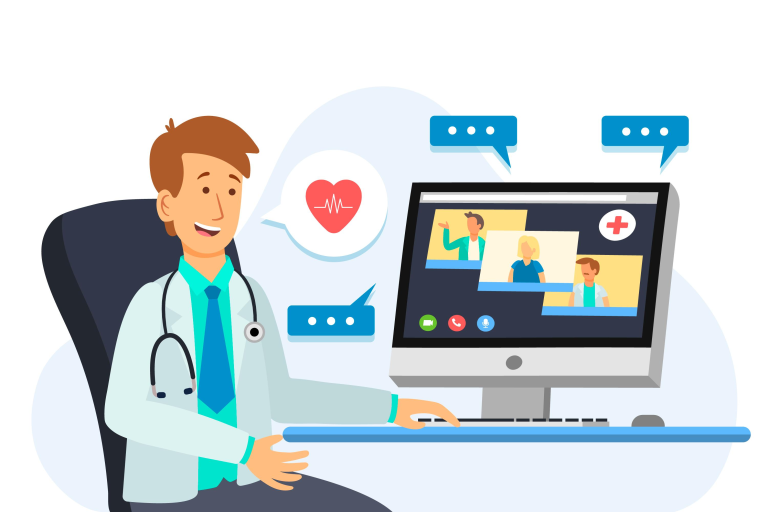
With the rise of virtual neurology consultations, wearable data can bridge distance. Your neurologist can review the data before a video visit and focus on trends instead of just asking “How have you been?”
This potential makes tremor tracking a useful feature of modern wearables.
Popular Wearables and Their Neurological Features
Here are a few types of wearable devices and what they offer:
- Smartwatches and fitness bands
- Many come with accelerometers and gyroscopes built in.
- Some apps specialize in tremor detection or gait analysis.
- Since many people already own a smartwatch, this option requires minimal extra cost.
- Dedicated medical wearables
- Devices designed for clinical neurology use, with FDA or CE approval.
- More sensitive sensors, better algorithms, and direct data export for clinicians.
- Examples include tremor monitors worn on the wrist or fingers, and wearable EEG patches for seizure detection.
- Inertial measurement units (IMUs)
- Often, small boxes or patches with accelerometers, gyros, and magnetometers.
- You attach them to your limbs or trunk to track motion precisely.
- Researchers and clinicians frequently use these in studies.
- Textile-based wearables
- Smart gloves or garments embed sensors within the fabric.
- For tremors, a smart glove can continuously record hand oscillations while you go about daily tasks.
Each type balances convenience, accuracy, and cost. A smartwatch may be easiest, but dedicated medical wearables often yield cleaner, clinically useful data.
How to Use a Wearable Smartly (for Tremors and More)
To get the most from wearable neurological monitoring, follow these practical tips.
Choose the Right Device
- Check for validated tremor-detection features
Not every smartwatch can reliably detect tremors. Look for devices or apps validated in the medical literature or recommended by neurologists. - Prefer continuous monitoring with exportable data.
You want raw or summarized data that you can share with your neurologist. - Battery life matters
If you have to recharge multiple times a day, you’ll be less consistent. - Look for comfort and wearability.
If the device irritates your skin or feels bulky, you won’t wear it consistently.
Establish a Baseline
Begin by wearing the device consistently across several days with minimal changes in routine. That helps you define your baseline tremor frequency and amplitude. Later changes become meaningful against that baseline.
Maintain a Symptom Log
Note when tremors feel worse or better—and why. Was it after coffee? Did fatigue make it worse? Mark those in a diary (paper or app). Later, correlate your notes with device data. That may uncover triggers such as stress, caffeine, or poor sleep.
Share Data with Your Neurologist
When you follow up, provide the data spanning at least several days or weeks. Ask your neurologist to look for trends or patterns. Use that data to back or question treatment adjustments.
Watch for False Positives
Wearables are not perfect. Sudden movements (e.g., reaching for a cup) may mimic tremors in sensor data. Always interpret wearable findings with clinical judgment.
What Wearables Can’t Replace
Even though wearables promise much, they do not—and likely will not—replace traditional neurological care. Here’s what they lack:
- Detailed neurological examination
Your doctor must assess muscle tone, reflexes, coordination, sensation, and cranial nerve functions in person. - Laboratory tests and imaging
Blood work, MRI, EMG, and nerve conduction studies provide information that sensors cannot. - Diagnostic reasoning and differential diagnosis
A neurologist integrates history, examination, imaging, lab tests, and sensor data to reach or refine a diagnosis. - Therapeutic adjustments and physical interventions
In some cases, you may need in-person adjustments to therapies, devices, or physical rehabilitation.
Wearable data should augment but not replace your clinical care.
Real-World Examples and Clinical Studies
Medical research already explores wearable monitoring in tremor and other neurology settings. Below are illustrative examples:
- In a recent study, a wrist-worn device tracked hand tremor amplitude over days in patients with essential tremor. The continuous data enabled researchers to detect subtle improvements after drug adjustments that standard clinic ratings missed.
- Another trial used smart gloves to measure tremor frequency in Parkinson’s disease. The glove’s measurements correlated well with clinician-assessed tremor scales, supporting its validity as a remote monitoring tool.
- Researchers employ multiple IMUs on limbs and trunk to monitor ataxia (lack of coordination) and gait in cerebellar disorders. The detailed spatial data help detect deterioration earlier than clinical scales.
These examples show how wearables are entering neurological research—and may soon become part of routine patient care.
Challenges and Limitations
Before you fully trust wearable data, be aware of these challenges:
Data Accuracy and Noise
Sensors may pick up artifacts (e.g., sudden arm movements, collisions, device slippage). Algorithms must distinguish noise from actual tremor patterns—a nontrivial task.
Variability Between Devices
Different brands and models use different hardware and software. One device’s tremor amplitude reading may not equate to another’s.
Data Overload Without Insight
Continuous monitoring produces vast amounts of data. Without algorithms to summarise meaningful trends, raw data can overwhelm clinicians and patients alike.
Regulatory and Privacy Issues
Medical-grade wearables must satisfy regulatory requirements (FDA, CE mark). Data privacy and security must comply with health data regulations, such as GDPR in Europe or HIPAA in the U.S.
Cost and Accessibility
High-end medical wearables may prove costly and unavailable in many regions. Not all patients can afford them or have access to supporting infrastructure.
How Wearables Fit Into a Broader Neurological Care Plan
Here’s how wearable monitoring can integrate into your care:
- Initial assessment and diagnosis
Your neurologist starts with history, exam, imaging, and labs. Wearable data may offer supportive evidence. - Baseline monitoring
Establish your tremor/gait baseline using the wearable. Record your daily routines and symptom diary for context. - Treatment adjustments
When starting or adjusting medications, physical therapy, or lifestyle measures, compare wearable data from before and after. - Long-term follow-up
Use wearable trends to detect gradual worsening or improvement. Your neurologist can intervene earlier if data suggests a decline. - Remote care support
Between in-person visits, wearable data helps maintain continuity. In telehealth consultations, you submit the data in advance for review.
Combined with standard care, wearables help you and your clinician make more informed decisions.
Practical Use Case: Tremor and Lifestyle Interventions
Let’s imagine a patient with essential tremor. You start on a low dose of propranolol and wear a tremor-detecting smartwatch. Over the first week, data shows tremor amplitude dropped 20%. Encouraged, you continue the therapy. In week two, the smartwatch shows a slight increase again in the evening. You note that caffeine intake was higher that week, and stress levels spiked at work. You record those in your symptom log and share both your notes and the wearable data with your neurologist.
Because both subjective feedback and objective data align, your clinician feels confident in adjusting your dose or adding a second therapy. Without wearable monitoring, you might have waited until the next clinic visit and simply described “I felt worse.”
In addition, you and your clinician might consider adjunct strategies—such as reviewing All Natural Organic Supplements (link to your article) or exploring Natural Treatment for Essential Tremor as supplementary approaches. In each case, wearable data lets you gauge whether supplementary interventions really produce measurable change.
Safety, Ethics, and Privacy
When using any wearable, keep these points in mind:
- Consent and transparency: Understand how your data is collected, processed, and shared. Opt only into platforms with clear privacy policies.
- Data encryption and security: Choose devices and apps that store encrypted data and allow you to control access.
- Clinical oversight: Share data with your neurologist—don’t self-adjust medications purely based on sensor outputs.
- Battery and skin safety: Monitor for skin irritation from bands. Follow manufacturer recommendations for battery charging and maintenance.
Tips for Patients and Caregivers
- Be consistent
Wear your device at the same time each day, in the same position, to reduce variability. - Keep a symptom journal.
Note your caffeine, sleep quality, stress, activity, and medication timing. Later, correlate against sensor data. - Understand the limitations
Sensor data is helpful, not conclusive. Always interpret alongside your doctor’s input. - Prioritize comfort and usability
If the device irritates you or is too burdensome, you are less likely to wear it regularly. - Ask for result summaries.
Ask your neurologist to help you interpret trends—don’t feel obliged to read complex data yourself. - Use the data to guide conversation..
Bring out trend charts in consultations to discuss whether treatments work or need adjustment.
The Future: What’s Next for Neurological Wearables?
As technology advances, wearable monitoring may achieve:
- Improved algorithms
Better machine learning models may filter out noise, detect subtle patterns, and classify tremor types (resting, postural, a nd intention) more reliably. - Multi-modal sensors
Wearables might combine accelerometry, EMG (muscle electrical activity), skin conductance, and even EEG in one package for richer monitoring. - Closed-loop therapy
In the future, implantable or wearable devices might detect tremors in real time and deliver therapy (for example, electrical stimulation) to suppress abnormal movement. - Integration with electronic health records (EHRs)
Data may feed directly into your medical record, easing its use by your care team. - Affordable, accessible models
As components shrink and costs fall, advanced neurological wearables may become available for broader patient populations.
These advances may expand what wearables can offer to people with movement disorders—and how meaningfully they integrate with standard care.
Summary
Wearable devices are not magic cures—but they do bring new opportunities. As someone living with tremors or caring for someone who does, you gain access to continuous monitoring, objective feedback, and better communication with your clinician through tremor tracking. When paired with clinical exams, imaging, and lab tests, wearable data helps inform treatment decisions.
At the same time, remember their limits: not every device is validated, data may contain artifacts, and clinical judgment remains essential. Use wearables smartly—consistently, with clear communication, and always under medical supervision.
If you explore broader supportive options, you might consider complementary approaches discussed in our article on All Natural Organic Supplements or delve deeper into Natural Treatment for Essential Tremor. Wearable data gives you a way to see whether such approaches produce measurable benefits in your daily life.