As was assumed, the fight between Donald Trump and several Democratic cities for military control of their streets has reached the Supreme Court, in a case that promises to have a profound impact on the United States political system. The Administration of the American president has presented this Friday an appeal against the court order that prohibits the deployment of National Guard soldiers in Chicago.
The appeal is presented after a series of setbacks for the Administration in its plans to deploy this reserve force in a series of cities with a Democratic majority, where they assure that the violence is uncontrolled to the point that a military intervention is necessary, despite the fact that local authorities maintain the opposite. So far, the White House has ordered demonstrations in Los Angeles in June; in Washington in August, and in Memphis since last week. In Portland (Oregon) and Chicago, however, district judges have determined that the presence of these soldiers on the streets is illegal; another magistrate in California has determined that the one in Los Angeles was also.
In all three cases, the judges’ arguments are similar. The trio believes that turning to the military violates some kind of law. Magistrate Charles Breyer, in San Francisco, considers that the mobilization in Los Angeles violated the Posse Comitatus law, which prohibits US soldiers from carrying out police functions. Judge Karin Immergut, who activates soldiers in Portland, ignores the separation of powers between the central government and the states, and the prohibition on federal officials being able to undertake tasks that correspond to local authorities. Robed April Perry finds that deploying troops to Chicago would aggravate a confrontational situation on the ground.
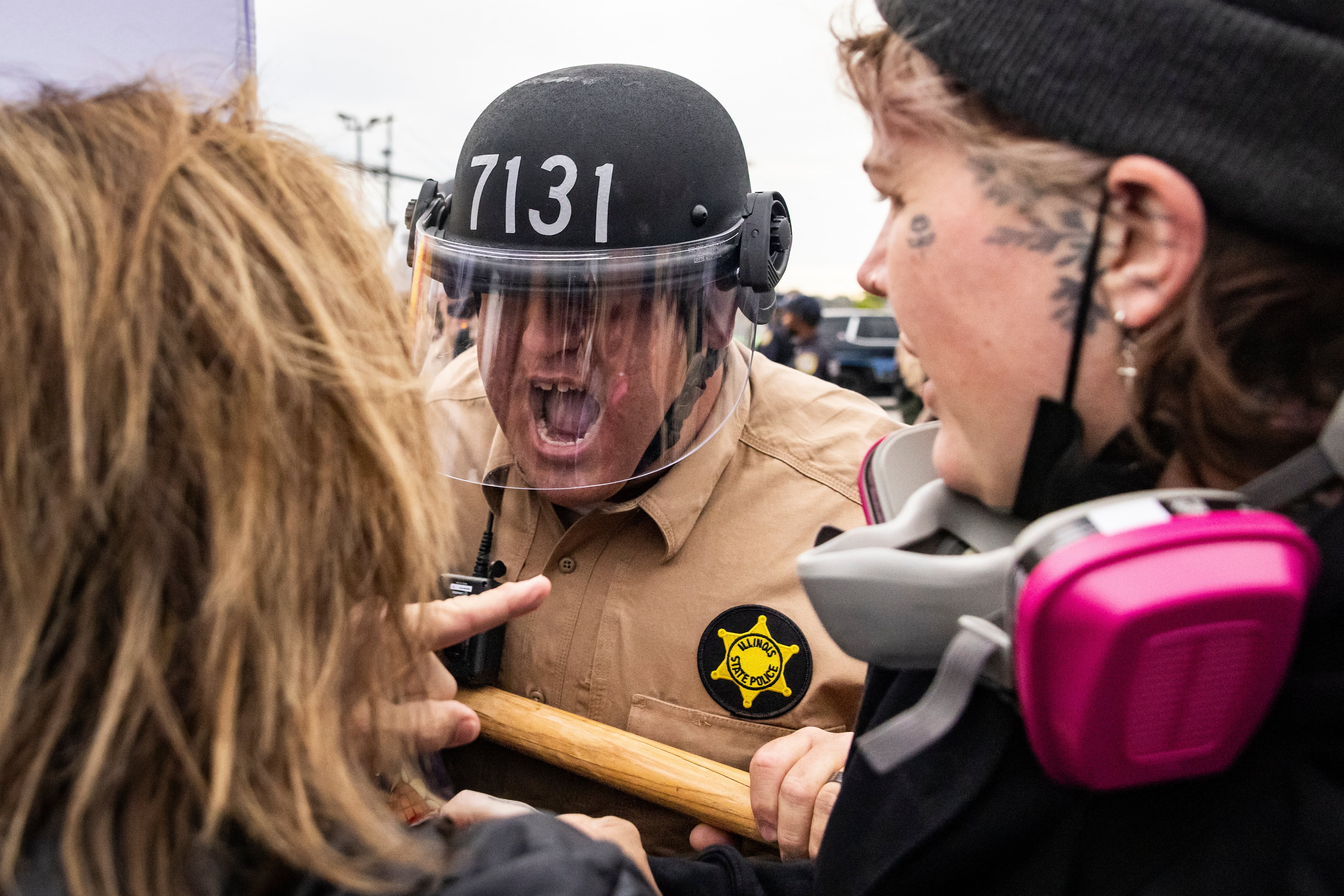
In the case of Chicago, the Administration alleges that protests against Trump’s mass deportation policy, in front of an ICE center, the Immigration and Customs Enforcement Service, in Broadview, on the outskirts of Chicago, amount to an attempt at rebellion.
On Thursday, an appeals court upheld Judge April Perry’s decision, which ruled in favor of Chicago and the state in which this city is located, Illinois, and agreed that there is no sign of rebellion in the city.
In its urgent appeal to the Supreme Court against the appeals court’s decision on Chicago, the Trump Administration alleges that blocking the deployment “improperly interferes with presidential authority and unnecessarily endangers federal personnel and property.” Government lawyers have asked the highest court to allow the deployment of soldiers while it examines the case.
The National Guard is a military reserve body usually under the control of the States. The president can activate these troops in an emergency — for example, in the event of a natural disaster — but he needs the permission of the governor of the state involved. There are some exceptions, such as those contemplated by the Insurrection law, for extreme cases such as the outbreak of a rebellion. Trump has indicated that he could consider invoking that law if he sees it necessary to deploy these troops in the cities where he has already ordered it and others in the future. Among the latter, he has even mentioned Baltimore, New Orleans or San Francisco, all of them under Democratic rule.
In a message on social media after the appeal was made known, Illinois Governor JB Pritzker wrote that Trump “will continue trying to invade Illinois with troops, and we will continue to defend the sovereignty of our State.” “Militarizing our communities against their will is not only un-American, but it also takes us down a very dangerous path for our democracy,” maintains the Democrat.
The Supreme Court has given the legal representatives of that State and Chicago until Monday at 5:00 p.m. local time (00:00 Tuesday, Spanish peninsular time) to present their arguments.
The highest American court, with a conservative supermajority (6-3), has tended to agree with Trump in the various lawsuits filed against his policies of all kinds since the beginning of his second Administration, often despite the opposition of the three judges of progressive ideology.
This court has allowed Trump to prohibit transsexuals from enlisting in the Armed Forces, cancel billions of dollars in federal spending already approved by Congress, take harsh measures against immigration and dismiss senior officials from independent federal agencies.
For more updates, visit our homepage: NewsTimesWire