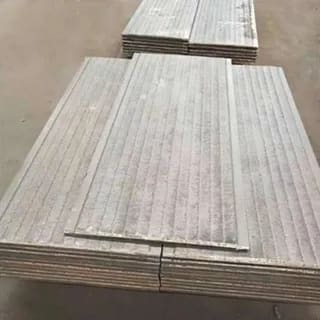
When you’re in an industry that demands durability, strength, and resistance, wear plates are often the unsung heroes keeping your equipment and operations running smoothly. But no matter how tough a material claims to be, the real difference comes from choosing the right wear plate supplier.
With so many suppliers in the market, how do you find one you can truly rely on? Let’s break it down simply here are the top qualities to look for in a wear plate supplier that can meet your project needs and exceed your expectations.
1. Proven Experience in the Industry
The first thing to check is experience. A supplier with several years (or decades) in the field has likely dealt with a wide range of industries — from mining and construction to cement, steel, and power generation.
Experienced suppliers understand the specific challenges different sectors face. They can suggest the right grade, thickness, and coating type for your application. Simply put, they know what works and what doesn’t.
An established wear plate supplier is also less likely to compromise on quality because they’ve built their reputation over years of consistent performance.
2. Commitment to Quality Standards
Quality is everything when it comes to wear plates. The best suppliers strictly adhere to international manufacturing and testing standards.
Look for suppliers who provide:
-
Mill Test Certificates (MTCs)
-
Third-party inspection reports
-
ISO or ASTM compliance
These certifications ensure the plates are tested for hardness, toughness, and resistance to abrasion and impact. Reliable wear plate suppliers are transparent about their quality control processes and will never hesitate to share documentation.
3. Variety in Product Range
A good wear plate supplier understands that no two projects are the same. Whether you need plates for bucket liners, crushers, chutes, or hoppers, the supplier should offer a broad range of products, materials, and grades.
Common types include:
- AR400 / AR500 wear plates
- Hardox® wear-resistant steel
- Chromium carbide overlay (CCO) plates
- Custom-cut wear plates
Having options allows you to pick what’s best for your specific wear environment — whether it’s extreme impact, sliding abrasion, or high-temperature resistance.
4. Technical Expertise and Guidance
Not everyone is a materials expert — and that’s perfectly fine. A trusted wear plate supplier should guide you through material selection and technical details.
They should be able to answer questions like:
- Which wear plate grade is right for my machinery?
- Can this plate be cut, drilled, or welded easily?
- How long can I expect it to last in harsh environments?
If a supplier takes the time to understand your challenges and offers expert recommendations instead of pushing you to buy, that’s a sign of genuine professionalism.
5. Customization Capabilities
Sometimes, standard sizes and shapes won’t fit your project. A dependable supplier should offer custom fabrication services — such as cutting, bending, drilling, or surface coating — to deliver ready-to-use plates that fit perfectly into your system.
This saves you time, reduces labor costs, and eliminates errors during installation.
A supplier who can deliver tailored wear plate solutions shows flexibility and a commitment to your success.
6. Reliable Delivery and Stock Availability
Delays in wear plate delivery can halt entire production lines. That’s why availability and quick turnaround time are key.
Choose a wear plate supplier with a strong inventory system and a reputation for on-time delivery. Reliable suppliers maintain ready stock of popular grades and thicknesses, ensuring minimal downtime for your business.
Pro tip: Ask about their average lead time and whether they can handle urgent or bulk orders without compromising quality.
7. Competitive and Transparent Pricing
While cost shouldn’t be the only deciding factor, it’s still important. A good wear plate supplier offers fair and transparent pricing without hidden charges.
They’ll provide clear quotations that include material specifications, taxes, and shipping details. Be cautious of extremely low prices — they often mean poor-quality plates that wear out faster, costing more in the long run.
Look for suppliers that strike a balance between quality and affordability.
8. Strong Customer Support and After-Sales Service
A supplier’s job doesn’t end after the sale. The best ones offer ongoing support — helping with installation guidance, technical troubleshooting, and even wear performance analysis.
Good after-sales service shows that the supplier values long-term relationships, not just one-time transactions. You should feel confident that help is available if something goes wrong or if you need future recommendations.
9. Positive Reputation and Client Reviews
Before finalizing your supplier, do a quick reputation check. Look for:
- Client testimonials on their website
- Google or industry reviews
- Case studies or success stories
Consistent positive feedback indicates that the supplier delivers on promises. A trusted wear plate supplier will always have satisfied clients across different sectors.
10. Commitment to Innovation and Sustainability
The industrial world is evolving fast. Top suppliers invest in research and technology to improve plate performance, extend wear life, and reduce environmental impact.
A supplier who prioritizes sustainability — such as using recyclable materials or energy-efficient processes — shows forward thinking and responsibility. These are signs of a modern, reliable business partner.
Conclusion
Choosing the right wear plate supplier isn’t just about finding someone who can deliver steel sheets — it’s about finding a partner who understands your challenges and helps you achieve long-term operational efficiency.
From quality assurance and customization to on-time delivery and expert support, every detail counts.
When you find a supplier who checks all these boxes, you’re not just buying wear plates — you’re investing in reliability, performance, and peace of mind.