If you’ve ever experienced sudden pain at the back of your ankle while running, jumping, or even walking, it could be more than a simple strain. One of the most common yet often misunderstood injuries is an Achilles tendon partial tear. This injury can affect anyone — from professional athletes to people who lead an active lifestyle or even those who accidentally twist their ankle.
In this article, we’ll explore everything you need to know about Achilles tendon partial tears — including what causes them, how to recognize the symptoms, and what treatment options are available for recovery.
What Is an Achilles Tendon Partial Tear?
The Achilles tendon is the thick, strong band of tissue that connects your calf muscles to your heel bone. It plays a vital role in helping you walk, run, and jump.
A partial tear occurs when some, but not all, of the tendon fibers are damaged. It’s less severe than a full rupture, where the tendon completely detaches, but still serious enough to cause pain and limit movement.
This kind of injury may develop suddenly due to a sudden strain or gradually because of overuse.
Common Causes of Achilles Tendon Partial Tear
There are several reasons why someone might experience a partial tear of the Achilles tendon. Some of the most common causes include:
-
Sudden Increase in Activity: Jumping into intense workouts without proper warm-up.
-
Overuse: Repetitive movements such as running or jumping can weaken the tendon over time.
-
Improper Footwear: Wearing shoes that don’t provide enough heel or arch support.
-
Tight Calf Muscles: Limited flexibility increases tension on the Achilles tendon.
-
Age and Degeneration: Tendons naturally lose elasticity as we age, making them more prone to tears.
-
Previous Injuries: Old strains or tendinitis can make the tendon more vulnerable.
Symptoms of an Achilles Tendon Partial Tear
A partial tear doesn’t always cause complete loss of movement, which is why it can sometimes be mistaken for a minor strain. However, some clear warning signs include:
-
Sharp or burning pain at the back of the ankle
-
Swelling or tenderness near the heel
-
Stiffness, especially in the morning
-
Weakness while pushing off the foot
-
A snapping or popping sensation during activity
-
Difficulty standing on tiptoe
If you experience any of these symptoms, it’s best to consult a healthcare provider right away. Ignoring the injury can lead to a complete rupture or chronic pain.
How Is an Achilles Tendon Partial Tear Diagnosed?
A proper diagnosis is crucial for effective treatment. Your doctor will usually perform a physical examination and may recommend imaging tests such as:
-
Ultrasound: To check the extent of the tear.
-
MRI (Magnetic Resonance Imaging): Provides detailed images of soft tissue damage.
-
X-ray: Sometimes used to rule out bone-related issues.
These tests help determine whether the tear is partial or complete, guiding the treatment plan accordingly.
Initial Treatment and First Aid
If you suspect a partial tear, early treatment is essential to prevent further damage. The R.I.C.E. method is a great first step:
-
Rest: Avoid putting pressure on the injured foot.
-
Ice: Apply ice packs for 15–20 minutes several times a day to reduce swelling.
-
Compression: Use an elastic bandage to control swelling and support the tendon.
-
Elevation: Keep your foot raised above heart level when resting.
Never try to “push through the pain.” Early rest is critical for proper healing.
Professional Treatment Options
Depending on the severity of the partial tear, treatment options may include both non-surgical and surgical approaches.
1. Non-Surgical Treatment
For mild to moderate tears, doctors usually recommend:
-
Immobilization: Using a walking boot or brace to protect the tendon while it heals.
-
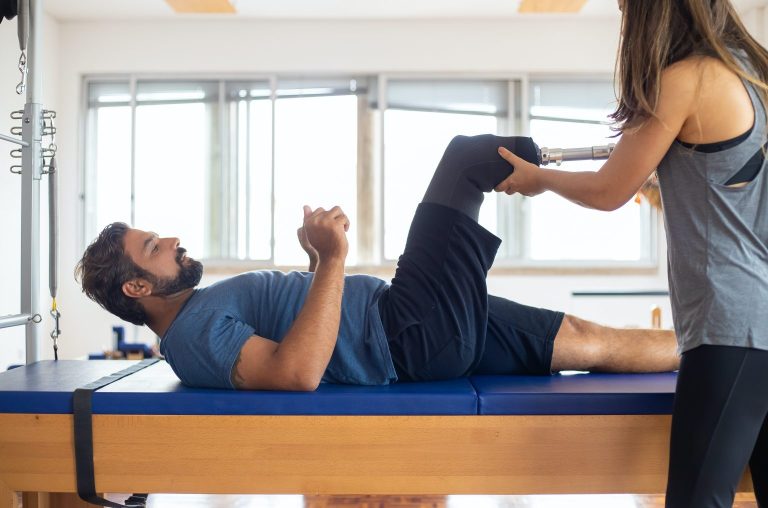
Physical Therapy: Exercises to strengthen the calf muscles and improve flexibility.
-
Shockwave Therapy: Helps stimulate healing and reduce inflammation.
-
Anti-Inflammatory Medications: To ease pain and swelling.
2. Surgical Treatment
If the tendon is severely damaged or not healing properly with conservative care, surgery may be necessary.
The surgeon repairs the torn fibers and sometimes removes scar tissue to restore strength and function.
Post-surgery, physical therapy is essential to regain mobility and prevent stiffness.
Rehabilitation and Recovery Process
Rehabilitation plays a crucial role in recovery. A well-structured physical therapy program can help you regain strength, flexibility, and balance.
Typical stages of recovery include:
-
Early Phase: Gentle stretching and range-of-motion exercises.
-
Middle Phase: Gradual strengthening of the calf muscles.
-
Final Phase: Balance training and return-to-sport exercises.
On average, recovery from an Achilles tendon partial tear may take 6 to 12 weeks, depending on your overall health and how well you follow your rehab plan.
Preventing Future Achilles Tendon Injuries
Prevention is always better than treatment. To reduce the risk of another Achilles injury, follow these tips:
-
Warm up properly before exercise.
-
Gradually increase workout intensity instead of sudden jumps.
-
Stretch your calf muscles regularly.
-
Wear supportive, comfortable footwear.
-
Take rest days to allow your tendons to recover.
-
Listen to your body — don’t ignore persistent soreness or stiffness.
By maintaining flexibility and strength, you can protect your Achilles tendon from future damage.
Nutrition and Lifestyle Tips for Healing
Your body’s healing process depends heavily on nutrition and overall wellness. During recovery, focus on:
-
Protein-rich foods for tissue repair (eggs, chicken, fish).
-
Vitamin C and Zinc to support collagen production.
-
Omega-3 fatty acids to reduce inflammation.
-
Staying hydrated and getting enough sleep each night.
A balanced lifestyle supports faster and more effective recovery.
When to See a Doctor
If your ankle pain doesn’t improve within a few days or you experience increased swelling, bruising, or difficulty walking, contact your healthcare provider immediately.
Delaying treatment can lead to complications like a full tendon rupture or chronic Achilles tendinitis.
Final Thoughts
An Achilles tendon partial tear is not something to ignore. With early diagnosis, proper treatment, and patience, full recovery is absolutely possible. Whether you’re an athlete or someone who simply enjoys staying active, taking care of your tendons ensures you can keep moving with confidence and strength.
Remember: listen to your body, follow your doctor’s advice, and give your tendon the time it needs to heal. Recovery may take a few weeks, but it’s worth it for long-term comfort and mobility.
Frequently Asked Questions (FAQs)
1. How do I know if I have a partial Achilles tear or just tendinitis?
Tendinitis usually causes mild, aching pain, while a partial tear often results in sharp pain, swelling, and weakness. A doctor’s exam or MRI can confirm the difference.
2. How long does it take to recover from a partial tear?
Most people recover within 6–12 weeks, depending on the severity of the tear and adherence to rehabilitation exercises.
3. Can a partial Achilles tear heal without surgery?
Yes. Many partial tears heal with non-surgical treatments such as rest, physical therapy, and supportive footwear.
4. Is it okay to walk with a partial Achilles tear?
Light walking may be allowed under medical supervision, but too much strain early on can worsen the injury.
5. How can I prevent another Achilles tendon injury?
Maintain flexibility, strengthen your calf muscles, and wear proper footwear. Always warm up before any workout or sport.