Living in Ivins offers stunning red rock views and a unique high-desert climate. While the scenery is beautiful, the weather presents a real challenge for your home’s comfort system. Summers aren’t just hot; they are intensely dry and often stretch well past the traditional season. Your air conditioner works harder and longer here than in many other parts of the country. When the peak of summer hits and temperatures consistently soar above 100°F, the last thing you want is for your AC to struggle, break down, or suddenly spike your energy bill.
Many homeowners make the mistake of only thinking about their AC when it fails. This reactive approach is a recipe for discomfort and costly emergency repairs. The constant exposure to fine, red desert dust and debris can quickly clog your system, making it labor to cool your home. This strain leads to wear and tear that shortens the life of your unit. The solution to avoiding these problems isn’t complicated; it’s consistent, proactive care. A disciplined approach to air conditioner maintenance is the key to ensuring your system delivers reliable, efficient, and affordable cooling throughout the demanding Southern Utah year.
Your Seasonal Maintenance Guide: Spring and Fall
The most effective maintenance strategy is built around two major service points each year: a comprehensive tune-up in the spring before the cooling season begins, and a simpler check in the fall after the heavy use is over. This proactive rhythm keeps your system running smoothly and helps you avoid the peak-season service rush.
Spring Checklist: Preparing for the Summer Heat (March – May)
This is the most important maintenance window. The goal is to ensure your system is in perfect working order before the relentless summer heat arrives.
What You Can Do Yourself (DIY Safety First):
- Change Your Air Filter: This is the single most impactful task you can perform. A clean filter ensures proper airflow, which is critical for efficiency and preventing your evaporator coil from freezing up. In dusty Ivins, check your filter every month during peak season. If it looks dirty, change it. A clogged filter makes your system work much harder, increasing your energy costs.
- Clear the Area Around Your Outdoor Unit: Your condenser unit (the part outside) needs plenty of space to breathe. Ensure there is at least two feet of clearance on all sides. Remove any leaves, tumbleweeds, spider webs, or other debris that has accumulated over the winter. Trim back any shrubs or plants that are encroaching on the unit.
- Give the Condenser Coils a Gentle Cleaning: After turning off the power to the unit at the disconnect box, you can gently spray the coil fins with a garden hose from the inside out. Use a “shower” setting, not a high-pressure jet, which can bend the delicate fins. This washes away the layer of desert dust that acts as an insulator.
- Check the Insulation on Your Refrigerant Lines: The copper pipes running from the outside unit to your house should be covered with a foam insulation sleeve. If this insulation is cracked or missing, it reduces efficiency by allowing the cold refrigerant to absorb heat before it even reaches your indoor handler. Replace damaged insulation promptly.
What a Professional Should Do:
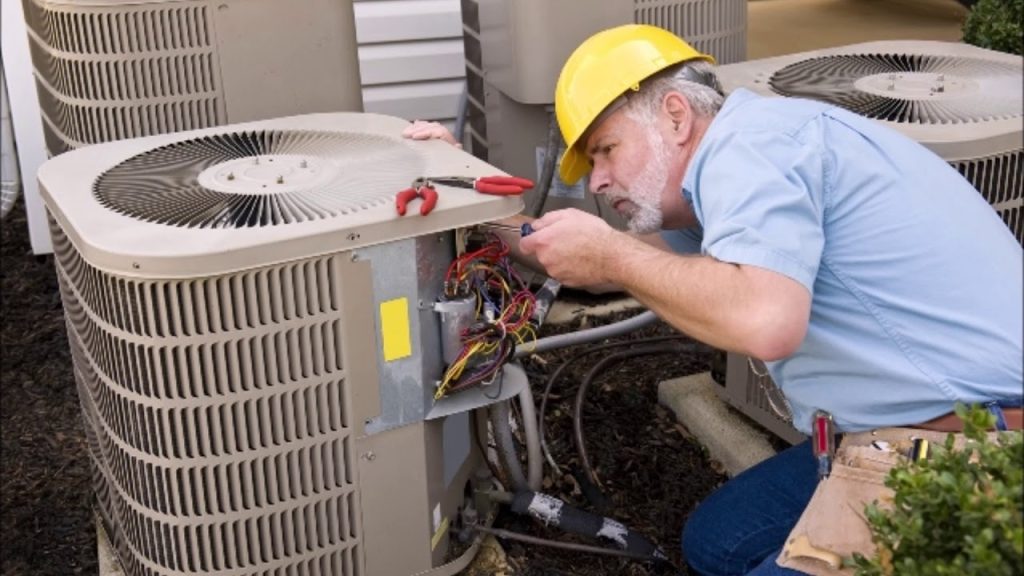
While DIY tasks are helpful, a professional tune-up is irreplaceable. A certified technician will perform a detailed inspection and cleaning that goes far beyond surface-level checks. A comprehensive Air Conditioning Maintenance Ivins UT service includes:
- Checking Refrigerant Levels: Incorrect refrigerant charge (too much or too little) is a major cause of poor performance and high energy bills. A professional will measure the charge and adjust it to the manufacturer’s exact specifications.
- Cleaning the Evaporator and Condenser Coils: A professional has the tools to perform a deep, thorough cleaning of both sets of coils, restoring full heat transfer capability.
- Inspecting and Lubricating Moving Parts: The motor and fan blades need to be checked for wear and properly lubricated to reduce friction and prevent premature failure.
- Checking Electrical Connections: Loose or corroded electrical connections are a safety hazard and can cause components to fail. A technician will tighten all connections and ensure the system is operating safely.
- Testing the Thermostat and System Controls: They will verify that your thermostat is reading the temperature accurately and that the system is starting, running, and shutting down correctly.
- Inspecting the Condensate Drain Line: They will flush the drain line with a special solution to prevent algae and mold clogs, which can lead to water damage inside your home.
Fall Checklist: Winding Down After Summer (October – November)
Once the intense heat has passed, a smaller set of tasks will help protect your system during its off-season.
- One Final Filter Change: Replace the filter after the summer strain to ensure clean airflow during any final warm spells and to prevent dust from settling in the system over the winter.
- Perform a Visual Inspection: Check the outdoor unit for any visible damage that may have occurred during the summer, such as bent fins or debris inside the unit.
- Consider a Protective Cover (With Caution): If you choose to cover the unit to keep out fall leaves, use only a breathable, mesh cover designed specifically for AC units. A waterproof tarp can trap moisture inside, leading to rust and mold. Many technicians recommend simply ensuring the unit is clean and leaving it uncovered.
The Practical Benefits of Consistent Maintenance
Investing in a regular maintenance plan pays for itself many times over. The benefits are both immediate and long-term.
- Lower Energy Bills: A clean, well-tuned system uses significantly less energy to cool your home. According to the U.S. Department of Energy, a neglected system can use 15-20% more energy. In a hot climate like Ivins, that can translate to hundreds of dollars in wasted cooling costs each year.
- Extended System Lifespan: The less your AC has to strain, the longer it will last. While a neglected system might fail after 8-10 years, a well-maintained one can often last 15 years or more. This defers the major expense of a full system replacement.
- Fewer Costly Repairs: Maintenance allows a technician to spot small issues—like a worn capacitor or a slightly leaking valve—before they turn into a catastrophic failure on the hottest day of the year. This saves you from expensive emergency service calls and major component replacements.
- Consistent Comfort and Improved Air Quality: A maintained system provides more consistent temperatures and better humidity control. A clean system also means cleaner air circulating through your home, which is a significant benefit for those with allergies or respiratory issues.
Your air conditioner is one of the hardest-working appliances in your Ivins home. It deserves more than just emergency attention. By following this simple seasonal checklist and partnering with a trusted local professional for an annual tune-up, you are not just maintaining a machine. You are investing in your family’s comfort, protecting your financial investment in your home, and ensuring you have a reliable refuge from the intense desert heat for years to come.