The world of sneaker culture is filled with legendary silhouettes and disruptive designs, but few have left a mark quite like the Bapesta. Born from the creative mind of Nigo, founder of A Bathing Ape (BAPE), the Bapesta has become a global symbol of bold individuality, youth culture, and the seamless blend of fashion and art. Whether you’re a seasoned sneakerhead or just discovering the roots of streetwear, understanding the legacy of Bapesta is essential.
The Birth of Bapesta: A Japanese Twist on an American Classic
In the early 2000s, BAPE was already a rising force in Harajuku’s vibrant fashion scene. Known for its camo prints, shark hoodies, and eye-catching graphics, BAPE had begun attracting a cult following. But the real shift happened when Nigo decided to create a sneaker that reflected BAPE’s audacious spirit. The result? The Bapesta, introduced in 2002.
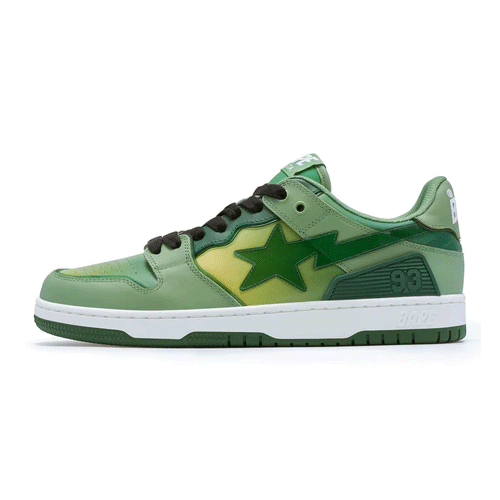
At first glance, the silhouette of the Bapesta Sneakers is unmistakably similar to the Nike Air Force 1, a deliberate design choice by Nigo. However, where the AF1 offers subtlety, the Bapesta delivers spectacle. With patent leather finishes, wild colorways, and the iconic shooting star logo replacing the Nike Swoosh, the Bapesta redefined how sneakers could communicate personality and flair.
The Design Language: Flashy, Fearless, and Fun
One of the reasons Bapesta Sneakers took off so quickly was its unapologetic approach to color and materials. While other sneaker brands leaned into performance or minimalism, Bapesta sneakers embraced excess – loud patent leather, candy-colored panels, and cartoon-inspired hues. These design choices weren’t just about aesthetics. They were about identity.
Each pair of Bapesta Sneakers tells a story. Whether it’s a tribute to pop culture, a limited-edition collab, or a Japan-exclusive drop, these sneakers don’t whisper – they shout. That boldness resonated with a youth culture eager to stand out, particularly in cities like Tokyo, New York, and London where streetwear was fast becoming a global language.
Cultural Influence: From Harajuku to Hollywood
Part of what cemented the Bapesta Sneakers in sneaker lore was its early adoption by hip-hop royalty. Artists like Pharrell Williams, Kanye West, and Lil Wayne were regularly seen rocking Bapestas at a time when wearing Japanese fashion was rare in Western music circles. Pharrell’s friendship with Nigo led to frequent collaborations and public appearances in full BAPE gear, solidifying the brand’s appeal to both fashion insiders and music fans.
The sneaker’s crossover appeal wasn’t accidental. Bapesta sneakers were released in limited quantities, often in eye-popping themes that aligned perfectly with the vibrant aesthetics of early-2000s hip-hop. The rise of the “bling era” in rap was mirrored in the glossy finishes and exaggerated styling of Bapesta kicks. It wasn’t just footwear; it was fashion armor.
Limited Editions and Collaborations
No conversation about Bapesta is complete without talking about its legendary collaborations. Over the years, BAPE has partnered with a long list of iconic brands, artists, and characters. From Marvel superheroes to SpongeBob SquarePants, and from Daft Punk to Comme des Garçons, the Bapesta became a canvas for cultural mashups.
These collaborations not only fueled hype but created a treasure hunt for collectors. Because BAPE operates with a scarcity model – often releasing sneakers in ultra-limited quantities – securing a pair of collab Bapestas became a symbol of clout in the sneaker community. Today, some of these releases fetch thousands on the resale market, further elevating the Bapesta mystique.
Bapesta vs. Air Force 1: Homage or Imitation?
The similarity between the Bapesta Sneakers and Nike’s Air Force 1 sparked debate within sneaker circles. Critics accused BAPE of copying, while fans defended it as a creative reinterpretation. Nigo himself has acknowledged the AF1 as a source of inspiration but emphasized that the Bapesta was designed to express Japanese street culture’s unique voice.
In retrospect, the Bapesta was more than a mimic. It was a reinterpretation, filtered through a distinctly Japanese lens and injected with pop culture DNA. Over time, the Bapesta carved out its own space in the sneaker pantheon, standing not as a clone, but as a countercultural response to Western dominance in sneaker design.
Evolution and Revival: Bapesta in the Modern Era
While the original hype surrounding Bapesta peaked in the mid-2000s, the sneaker has experienced a strong revival in recent years. As fashion cycles continue to embrace nostalgia, early-2000s aesthetics are back in full force – and that includes Bapesta.
Recent releases have introduced new materials, updated silhouettes, and collaborations with contemporary artists like Kid Cudi and JAY-Z, signaling that the Bapesta is not just a relic of the past but a relevant player in today’s sneaker game. The reintroduction of OG colorways and retro-inspired designs has sparked renewed interest, especially among Gen Z consumers discovering the brand for the first time.
Styling the Bapesta: A Statement Piece for Every Outfit
The Bapesta is not your average sneaker – and it shouldn’t be styled like one. With their vivid colors and graphic appeal, Bapestas are best worn as the focal point of an outfit. Whether paired with slim-cut jeans and a vintage tee, or layered under oversized streetwear staples, these sneakers demand attention.
For fashion enthusiasts, the Bapesta represents a challenge and an opportunity. How do you style something that already speaks so loudly? The answer lies in confidence. The Bapesta rewards those who embrace individuality and reject the norm – a core ethos of both streetwear and sneaker culture.
Bapesta’s Legacy and What It Means for Sneaker Culture
More than two decades since its debut, the Bapesta Sneakers remains one of the most recognizable and influential sneakers in the world. It challenged traditional ideas of design, blurred the lines between streetwear and luxury, and inspired a new generation of sneaker lovers to think outside the box.
Its impact goes beyond fashion. The Bapesta represents a moment when Japan’s underground street style became a global conversation. It proved that inspiration could flow both ways – from East to West – and that sneakers could serve as both fashion and art.