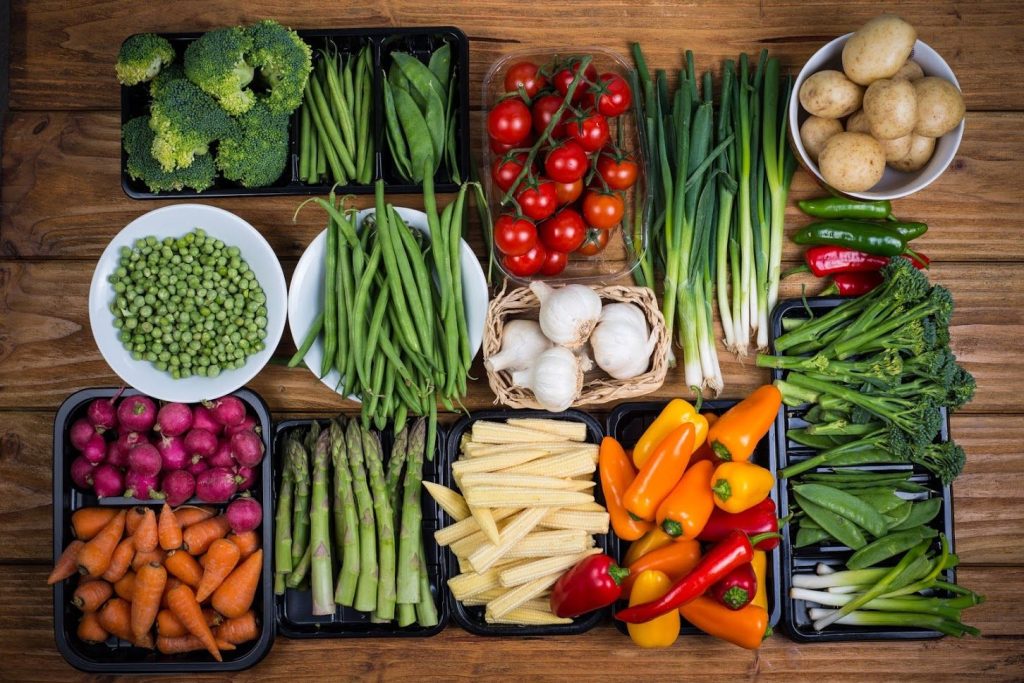
Eating well does not have to drain your wallet. Families often believe that healthy meals are expensive, but with some smart planning and the right choices, you can serve nutritious food without overspending. The key is to understand how to shop, cook, and store food wisely while still keeping flavour and balance in every meal.
Tips for Healthy Food
Budget-friendly tips for healthy food that you can easily apply in your daily life. You will find ideas for planning meals, reducing waste, choosing affordable ingredients, and even involving children in cooking. Whether you are a parent trying to stretch your weekly shop, a caregiver preparing balanced meals, or someone looking to improve eating habits, these strategies will help you maintain both health and savings.
Why Eating Healthy on a Budget Matters
Food is directly linked to overall health. A diet rich in fruits, vegetables, whole grains, and lean proteins lowers the risk of long-term conditions such as heart disease, type 2 diabetes, and obesity. At the same time, families must manage rising living costs, which can make grocery shopping feel stressful.
The good news is that healthy eating and financial responsibility can go hand in hand. By focusing on seasonal produce, basic pantry items, and smart cooking techniques, you can serve meals that are both nutritious and affordable.
If you are unsure where to start, resources like Healthy Food Guide provide evidence-based information that supports better food decisions.
Budget-Friendly Tips
1. Plan Your Meals in Advance
Planning is the foundation of budget-friendly eating. You can create a weekly menu then you can step one back from wasting of money.
Start with simple recipes: Choose meals with affordable ingredients such as beans, lentils, rice, or pasta.
- Use overlapping ingredients: For example, buy a large bag of carrots and use them in soups, stir-fries, and roasted side dishes.
- Include flexible meals: Dishes like omelettes, stir-fries, and casseroles allow you to use leftover vegetables or protein.
2. Shop Smart and Seasonal
The cost of fresh produce changes throughout the year. Buying fruits and vegetables that are in season is cheaper and often fresher. For example, strawberries cost less in summer, while root vegetables are more affordable in winter.
Other shopping strategies include:
- Look for supermarket own brands: These usually cost less but offer similar quality to branded goods.
- Buy in bulk where possible: Items like rice, oats, and beans are cheaper per unit when purchased in larger packs.
- Visit local markets: Farmers’ markets or local vendors often sell produce at lower prices than supermarkets.
If you want more practical inspiration, you can explore Tips for Healthy Food that focus on family-friendly meals.
3. Cook More at Home
Takeaway meals and pre-packaged food can quickly eat up your budget. Cooking at home gives you full control over ingredients, portion sizes, and cost.
- Batch cooking: Prepare larger quantities of meals such as soups, curries, or stews. Freeze portions for later use.
- Use affordable proteins: Eggs, tinned tuna, beans, and lentils are excellent sources of protein at a fraction of the cost of meat.
- One-pot meals: These save time, energy, and washing up while combining vegetables, grains, and protein in one dish.
Cooking with family also encourages children to try new foods and learn the value of preparing meals from scratch.
4. Reduce Food Waste
Throwing away food is like throwing away money. Small changes can help you cut down on waste and stretch your budget.
- Store food properly: Keep vegetables in reusable storage bags, and store grains and cereals in airtight containers.
- Check expiry dates: Use items that are close to expiry first.
- Repurpose leftovers: Leftover roast chicken can become sandwiches, salads, or a hearty soup.
- Freeze smartly: Freeze bread, herbs, and chopped vegetables before they spoil.
Every family benefits from a “use-up day” where you create meals using only what is left in the fridge and pantry.
5. Make Affordable Swaps
You do not need expensive superfoods to eat healthily. Many budget-friendly alternatives offer similar nutritional benefits.
- Swap fresh fish for tinned sardines or mackerel.
- Replace quinoa with brown rice or whole wheat couscous.
- Choose frozen vegetables instead of fresh out-of-season produce.
- Use peanut butter or seeds as a source of healthy fats instead of pricey avocados.
Affordable swaps still give you nutrients without inflating your food bill.
6. Grow Your Own Where Possible
If you have access to a small garden, balcony, or even just window space, you can grow simple foods. Herbs like basil, mint, and coriander thrive in small pots, while tomatoes, lettuce, and peppers can grow in containers.
Growing your own food saves money, reduces packaging waste, and provides a sense of satisfaction. Children often enjoy eating vegetables they helped grow, which encourages healthier habits.
7. Prioritise Whole Foods Over Processed Foods
Processed snacks and ready meals are often more expensive and less nutritious. Choosing whole foods such as oats, beans, and fresh vegetables gives you better value and health benefits.
- A bag of oats costs little and provides a week’s worth of breakfast.
- Dried beans or lentils are cheaper than canned ones if you cook them in bulk.
- Whole fruit is more affordable than packaged fruit snacks.
These choices support both your health and your budget.
8. Involve the Whole Family
Healthy eating works best when everyone in the household participates. Involve children in planning meals, choosing vegetables at the shop, or helping with simple cooking tasks. This not only builds life skills but also makes children more interested in eating the food prepared.
You can also assign responsibilities such as checking pantry stock or writing the shopping list. Shared involvement keeps everyone accountable and reduces waste.
9. Save on Drinks
Soft drinks, energy drinks, and bottled juices can add a significant cost to your weekly spending. Water is the healthiest and most affordable option. For added flavour, you can infuse water with lemon, cucumber, or mint.
If your family enjoys tea or coffee, buy larger packs instead of individual bottles or cans. This small change makes a noticeable difference in your overall budget.
10. Stay Informed with Reliable Resources
Misinformation about diets and food trends often circulates online. Always rely on credible sources that provide science-based advice. Following trusted outlets such as Natural Health News ensures you receive balanced, accurate information.
By keeping updated, you avoid spending money on unnecessary supplements, fad foods, or overpriced “health” products that may not provide real benefits.
Sample One-Week Budget-Friendly Meal Plan
Here is a simple seven-day meal outline to show how affordable ingredients can create balanced and tasty meals.
Breakfasts
- Porridge with seasonal fruit
- Wholemeal toast with peanut butter
- Scrambled eggs with spinach
- Overnight oats with yoghurt
- Homemade vegetable muffins
- Smoothie with banana, oats, and milk
- Wholegrain cereal with milk
Lunches
- Lentil soup with wholemeal bread
- Tuna and sweetcorn sandwiches
- Vegetable stir-fry with rice
- Baked potatoes with beans
- Chickpea salad wraps
- Egg fried rice with vegetables
- Leftover vegetable curry
Dinners
- Chicken and vegetable stew
- Pasta with tomato and lentil sauce
- Vegetable curry with brown rice
- Baked fish with roasted root vegetables
- Homemade chilli with beans
- Omelette with mixed vegetables
- One-pot vegetable and barley soup
This plan uses affordable, versatile ingredients and can be adapted to suit dietary preferences.
Final Thoughts
Eating well on a budget is achievable with thoughtful planning and practical habits. By shopping smart, cooking more at home, reducing waste, and making affordable swaps, your family can enjoy nutritious meals without overspending.
The goal is not perfection but progress. Even small changes like choosing frozen vegetables, drinking more water, or planning weekly meals make a difference to both health and savings. With consistent effort, families can build sustainable habits that support long-term wellbeing.
Remember, resources like Healthy Food Guide, Tips for Healthy Food, and Natural Health News are always available to support your choices and provide reliable advice.