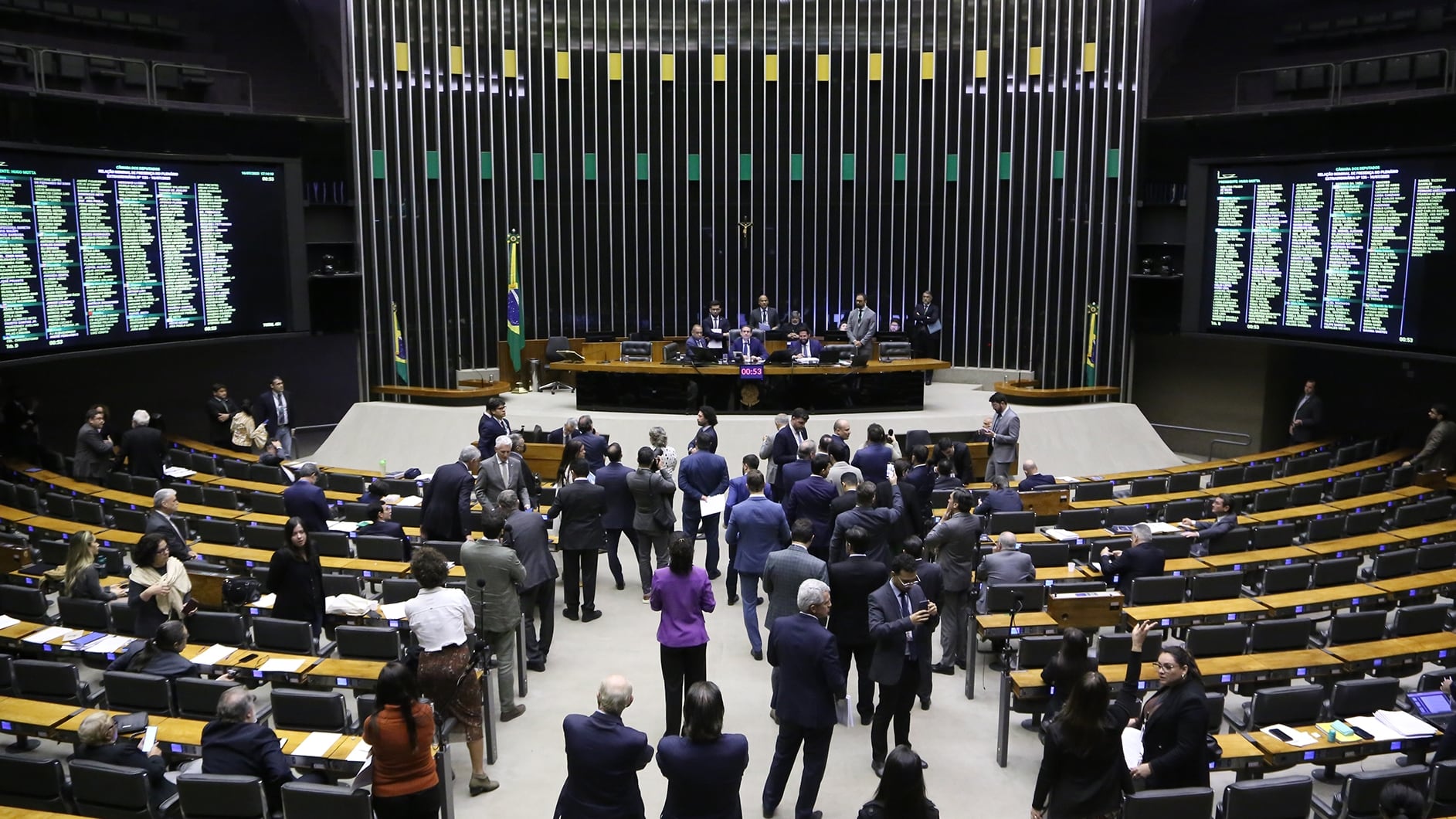
“A day of mourning.” This is how the day Minister of the Environment of Brazil, Marina Silva, defined the day after the National Congress gave the toughest blow in years to the environmental legislation of Brazil. The Brazilian deputies, of conservative majority, approved a bill that in practice dismantle a good part of the environmental legislation that Brazil has been building in recent decades. The rule was being processed for more than 20 years and managed to get ahead now, with the most cried national congress to the right than ever (even more than in Bolsonaro’s years), despite the fact that the president, Luiz Inacio Lula da Silva, is progressive.
The law seeks to make environmental norms more flexible in terms of the Environmental Impact Declaration and the necessary permits before initiating a work. It allows to authorize works with high pollutant or harmful potential for the environment if the government classifies them as “strategic” and in some cases creates the figure of “self -decoration”, in which the entrepreneur himself grants permission by filling a form on the Internet, without going through external evaluation organs. From now on it will not be necessary to get an environmental permission to expand a road or for various agricultural and livestock activities, and not to build dams to supply small municipalities or cattle farms. The federal control of high -risk works control in mining, for example, are emptied of powers, while states and municipalities (more vulnerable to local corruption) gain power. The law even flexible the cut of native vegetation in the Atlantic Mata, the most threatened tropical jungle in Brazil, of which only a quarter of its original surface remains.
Ecologists and scientists had been warning for months that the approval of what they call “law of devastation” would be a tragedy. In a statement, the Climate Observatory, which groups dozens of entities, stressed that contrary to what their defenders defend, the law will result in conflicts and legal insecurity for entrepreneurs and investors. “It is the end of four decades of construction of environmental legislation and the return to the economic development model that causes lack of control, pollution and death,” they criticized.
The law was approved by a large majority (267 votes in favor and 116 against) and moves on when four months are missing for the cop30 of the climate that Brazil will celebrate in Belém do Pará, in the heart of the Amazon, and where the Lula government intended to present Brazil to the world as a global leader against climate change and in favor of sustainable development. In addition, the vote of the deputies adds uncertainty to the negotiations to definitively ratify the commercial agreement between Mercosur and the EU, because weapon of arguments to those who oppose the pact to consider that a good part of the products that Brazil will export are the result of deforestation and a more lax conception of preservation laws.
The Brazilian environmental movement now asks that Lula exerts the right of veto and says “no” to the text in its entirety, although most likely it is only the most scandalous fragments. Silva, the Minister of the Environment, said that the Government does not rule out appealing to the courts because it considers the unconstitutional norm. We will have to see in the next 15 days if Lula chooses to fight this battle, since the relationship with Congress is more tense than ever.
At the end of June, the Chamber and the Senate annulled a tax rise to financial transactions approved by the Government and Lula took the case to the Supreme Court, something unpublished. Judge Alexandre de Moraes convened a dialogue table, but there was no agreement and ended up giving a good part of the reason to the Executive. The parliamentarians, countertops, returned the coup on Wednesday with a marathon session before the July holidays. The heated votes extended until dawn, and in addition to the Environmental Flexibility Law approved 30,000 million reais (almost 5.4 billion dollars) of credits subsidized to the agricultural and livestock sector, just when the government tries to cut expenses.
For more updates, visit our homepage: NewsTimesWire
https://elpais.com/america/2025-07-17/el-congreso-de-brasil-desmonta-el-pilar-de-la-legislacion-ambiental-del-pais-y-asesta-otra-derrota-a-lula.html