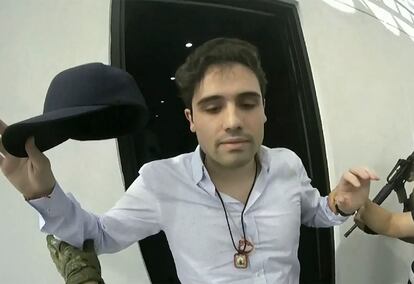
In the gray zone that lies among the government stories of Mexico and the United States, about the binational reality, the trip of a group of relatives of an alleged drug trafficker in the north of the border is sneaky, of which Mexico had not learned. 17 relatives of Ovidio Guzmán have crossed California in recent days, a movement that has surprised south of the Río de Bravo, apparently, of a negotiation process between the defendant, imprisoned in the US, and the authorities of that country.
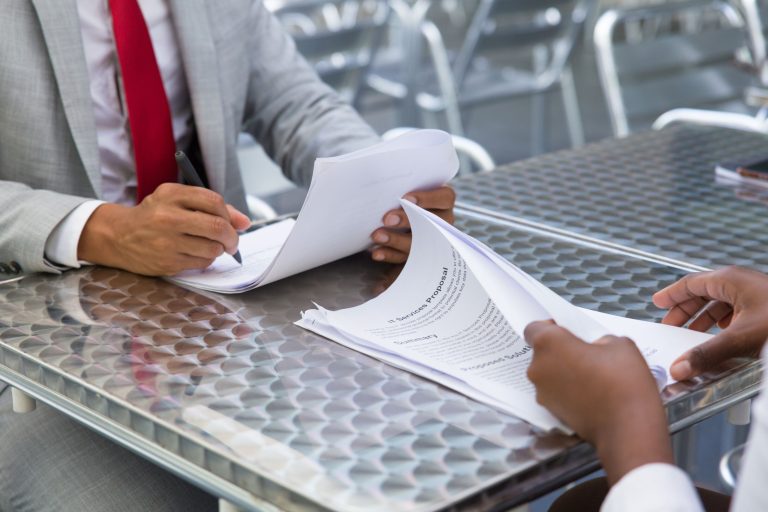
Nothing is officially known, except for how little Omar García Harfuch has commented on Tuesday, in a radio program. The Secretary of Security and Citizen Protection has recognized the journey of Guzmán’s relatives to the US, “obvious” consequence, he said, of the negotiation. The Department of Justice of that country accuses of Fentanilo and other crimes to Guzmán, in custody of the US authorities since September 2023. Guzmán has accepted to declare guilty in exchange for providing information, agreement that barely begins to meet details.
The president, Claudia Sheinbaum, has avoided the matter, at least for the moment. This Tuesday, at his morning press conference, he has spoken of another of the knots of the relationship these days, the crisis of the boreride worm in Mexican cattle, and the closing for exports from the US, for two weeks. Several reporters have asked him about this plague, but none for the case of the Guzmán, a family that appears in the center of the Mexican criminal universe for decades, first with the father, Joaquín El Chapo Guzmán, and now with Ovid and his brothers.
The surprising border cross hinders the narrative channel of the Mexican government, which usually employs terms such as cooperation, understanding or dialogue, to refer to the bilateral relationship. Seen what happened, the Guzman’s movement seems to obey, in fact, to strategies of the neighboring country, plans that the administration directed by Donald Trump has chosen not to share with the Sheinbaum and Harfuch team.
In his radio interview, the Secretary of Security has emphasized two points. First, that the capture of Ovidio Guzmán occurred in Mexico, in January 2023, and second, which was carried out by elements of the Mexican army, an operation that even cost soldiers’ lives. It has been his way of claiming that Mexico deserved more than silence, taking into account, in addition, the efforts that the government has made to demonstrate its commitment against drug trafficking, particularly against fentanyl, the last of cross -border obsessions in the White House.
Thus, the case of the Guzmán draws the apparent imbalance in relations between the two countries, painted from Mexico with affable words. Trump’s return to the presidency in January forced the Mexican security apparatus to implement a permanent operation on the northern border, with hundreds of extra national guards destined there. A Trump demand, as part of the fight against fentanyl, given the epidemic of opiates and opioids to the north of the border.
Avido of immediate results, the Republican and his team demanded more. They soon got it. In February, the Sheinbaum government sent 29 criminals to the north to face justice there, some long desired, in the case of Rafael Caro Quintero, one of the alleged perpetrators of the murder of the agent of the Dea Enrique Camarena, in the 1980s, or the brothers Miguel Ángel and Omar Treviño Morales, once leaders of Los Zetas.
Trump has celebrated the delivery of criminals and the operations on the northern border, but has always played with little less than unthinkable possibilities, such as the sending of troops to Mexico, to combat drug cartels, some of which his government recently designated as terrorist organizations. “(Trump) has suggested things that are not acceptable for us,” Sheinbaum said last week at a press conference.
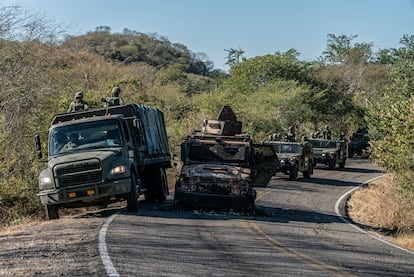
The collaboration of the South to the North question what happens or ceases to happen in the opposite direction. Ovidio Guzmán appears in documents of the American justice system as a kind of modern devil, one of the main traffickers of fentanyl to the country. Mexico managed to capture it, failed operations through – the famous culiacanazo – that left dead, wounded and above all a sense of terror in the population, mainly in Culiacán, the capital of Sinaloa, cradle of the poster to which the State gives its name.
“The Department of Justice must share information with the Attorney General’s Office,” Harfuch said. In a few weeks, the modern devil who was Ovid has suddenly become an asset for the United States authorities, capable of negotiating with a person like him, whose activities are responsible for deaths in Mexico, in search of the Gordo Prize, for now unknown. Waiting for negotiations with the other brother Guzmán detained, Joaquín, Mexico wants to know more.
For more updates, visit our homepage: NewsTimesWire