The US Senate, under Republican control, released a cable this Thursday to Donald Trump and his policy on Venezuela. By 51 votes to 49, it has rejected a bipartisan resolution that would have prohibited the Republican Administration from undertaking any type of military action in Venezuelan territory without the approval of Congress, the institution responsible for declarations of war.
As has become common in voting in the US Congress, lawmakers mostly voted along their party lines. Only two Republican senators sided with Democrats to support the resolution.
Democratic Senators Tim Kaine and Adam Schiff, along with Republican Rand Paul, had drafted the proposal, the second attempt to force the White House to ask Congress for permission to act in Venezuela, after the first was also defeated in October.
The vote was held one day after representatives of the Administration declared to a group of prominent senators and congressmen that the Government currently lacks legal justification to attack targets within Venezuela. The admission occurred within a classified briefing chaired by the Secretaries of State, Marco Rubio, and Defense, Pete Hegseth, the first that both have offered together to US legislators on the US campaign of military attacks against alleged drug trafficking boats.
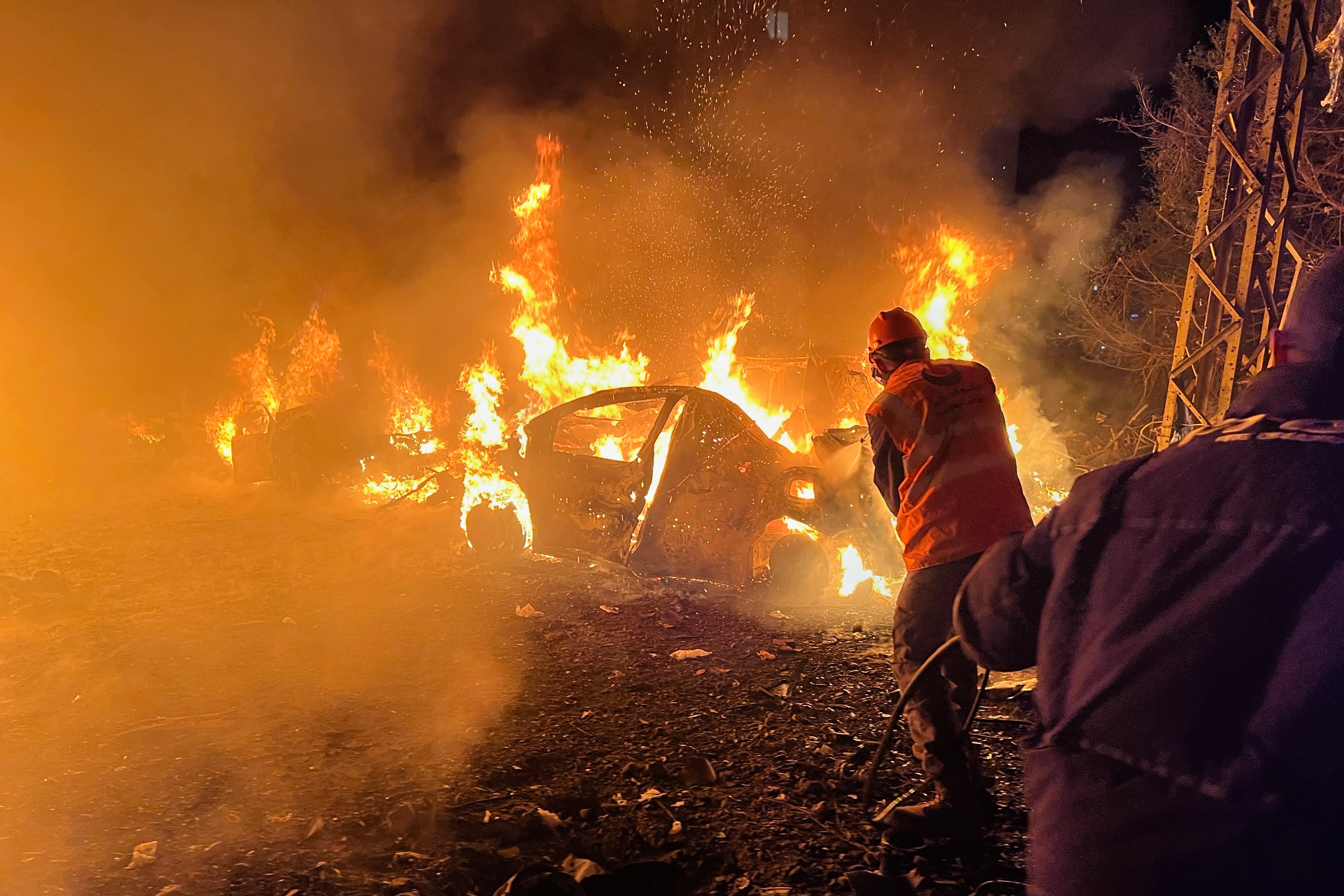
Numerous analysts and experts, and even some legislators, consider the campaign illegal, which has already killed at least 66 people since September 2, the last two in a coup that occurred this Tuesday. They consider it illegal, among other reasons, because it does not have the authorization of Congress.
According to the CNN television network, despite its admission, the US Government is still searching for a legal argument that would authorize it to attack ground targets in Venezuela if it so wishes, without having to go through Congress.
“Based on that briefing, I believe the Administration does not want to go to war with Venezuela,” declared Congressman Adam Smith, the ranking Democrat on the House Armed Services Committee. “But on the other hand, President Trump is quite famous for — how to put it — his chaotic way of doing things. He can change his mind very quickly. So who knows.”
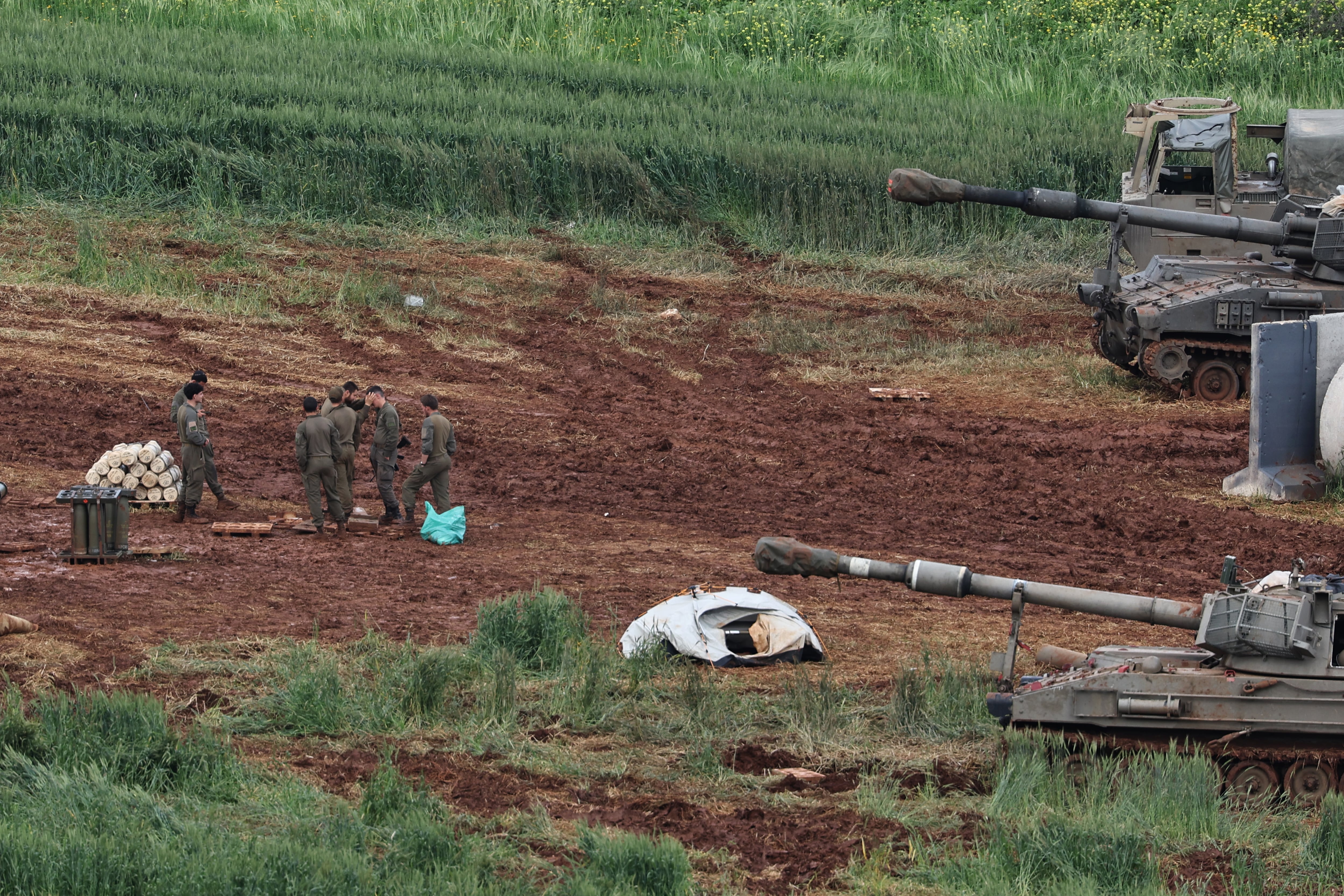
The Senate’s decision this Wednesday also occurred while the aircraft carrier Gerald Fordthe largest and most modern in the US fleet, is heading towards the Caribbean to join in the coming days the dozen US military ships that are already standing guard in international waters off the coast of Venezuela. When it arrives, 20% of the US warships mobilized in the world will be in Latin American waters, according to an analysis by the specialized magazine Stars and Stripes. But Donald Trump keeps his cards to himself about what his intentions are regarding this deployment, and whether he will end up opting – as many suspect – for an attack against targets in the territory of the Caribbean country. At the moment he has not yet made a decision.
The American plays a war of nerves with Caracas and increases the pressure while removing the leaves: deploying ships and more than 10,000 soldiers; One day he talks about a “new phase” in his campaign against drug trafficking that includes actions on land and the other he denies that there is going to be a war with Venezuela. He acknowledges that he has authorized CIA covert operations and declares that Venezuelan President Nicolás Maduro’s days at the head of that country are numbered, while at the same time refusing to answer whether he has plans to intervene there. An entire campaign of military and psychological pressure to intimidate the Chavista.
“I have no doubt that this campaign is intended to intimidate and bring about the fall of the Maduro regime,” said John Walsh, drug policy director of the NGO Washington Office on Latin America (WOLA), in a talk with journalists this week.
For now, Trump has yet to make a decision on whether and how to proceed in Venezuela. Consider several options and the legal justifications that you can argue for each of them, according to several American media. The newspaper New York Times He maintains that among the scenarios being considered include direct attacks against the military units that protect Maduro and the takeover of the country’s oil fields.
Trump is reluctant to approve missions that could endanger American troops, something that could anger his non-interventionist bases. Nor does he want to launch an operation that could end in failure: he is very aware of the fiasco of his first term, when he tried to force Maduro’s departure by supporting the opposition led by Juan Guaidó. “But many of his main advisors are pushing for one of the most aggressive options: expelling Maduro from power,” the newspaper notes.
Only 18% of Americans are in favor of using force to force Maduro’s fall, while almost half reject that option, according to a YouGov survey. The rest do not know or do not answer.
The Republican Administration has already accused the Venezuelan president of being one of the leaders of the Suns cartel, and has doubled the reward it offers for his capture to $50 million. It is possible that the White House, which alleges that it is in a “non-international armed conflict” against the drug cartels, will try to resort to this alleged connection to justify some type of measure, according to experts.
A full-fledged intervention within Venezuela “would violate Article 2-4 of the United Nations Charter, which prohibits the use of force that violates the territory of another sovereign country. It would constitute an illegal invasion, like that of Russia in Ukraine. It would also violate the authority of Congress to declare war, contained in the Constitution,” warns lawyer Heather Brandon-Smith, of the Friends Committee on National Legislation, in a video conference.
The White House maintains that everything it does in Latin American international waters complies with the law. “President Trump has been clear in his message to Maduro: stop sending drugs and criminals to our countries,” said White House spokeswoman Anna Kelly in a statement. “The president has made it clear that he wants to continue attacking narcoterrorists who traffic illicit narcotics — anything else is pure speculation.”
It is likely that, for the moment, things will continue as they are, awaiting the arrival of the Gerald Ford and your support group. He is not expected until at least next week: on Tuesday he crossed the Strait of Gibraltar towards the Atlantic, escorted by protocol by the Spanish frigate Numancia during their crossing. For security reasons, the Pentagon does not report the positions of its ships on active mission.
This Wednesday, Trump moved to the most favorable place to speak. To Miami, the heart of the opposition to Venezuelan President Nicolás Maduro in the United States, to participate in a meeting of the American Business Forum in which the leader of the Venezuelan opposition, and this year’s Nobel Peace Prize winner, María Corina Machado, also participated. But he did not want to discuss the matter, other than to defend the extrajudicial attacks against alleged drug boats that his country’s ships have carried out in the Pacific and the Caribbean, and which have left at least 66 dead: “we are blowing up cartel terrorists. We are blowing them up – linked to the Maduro regime in Venezuela and others,” he declared.
For his part, Machado reiterated, in his speech by teleconference, his unconditional support for these types of measures. According to what he denounced, Maduro is “the leader of this narcoterrorist structure that has declared war against the Venezuelan people and against the democratic nations in the region, where criminal networks support the Chavista regime with the trafficking of drugs, gold, weapons and people.” “Maduro started this war, and President Trump is going to end it.”
For more updates, visit our homepage: NewsTimesWire