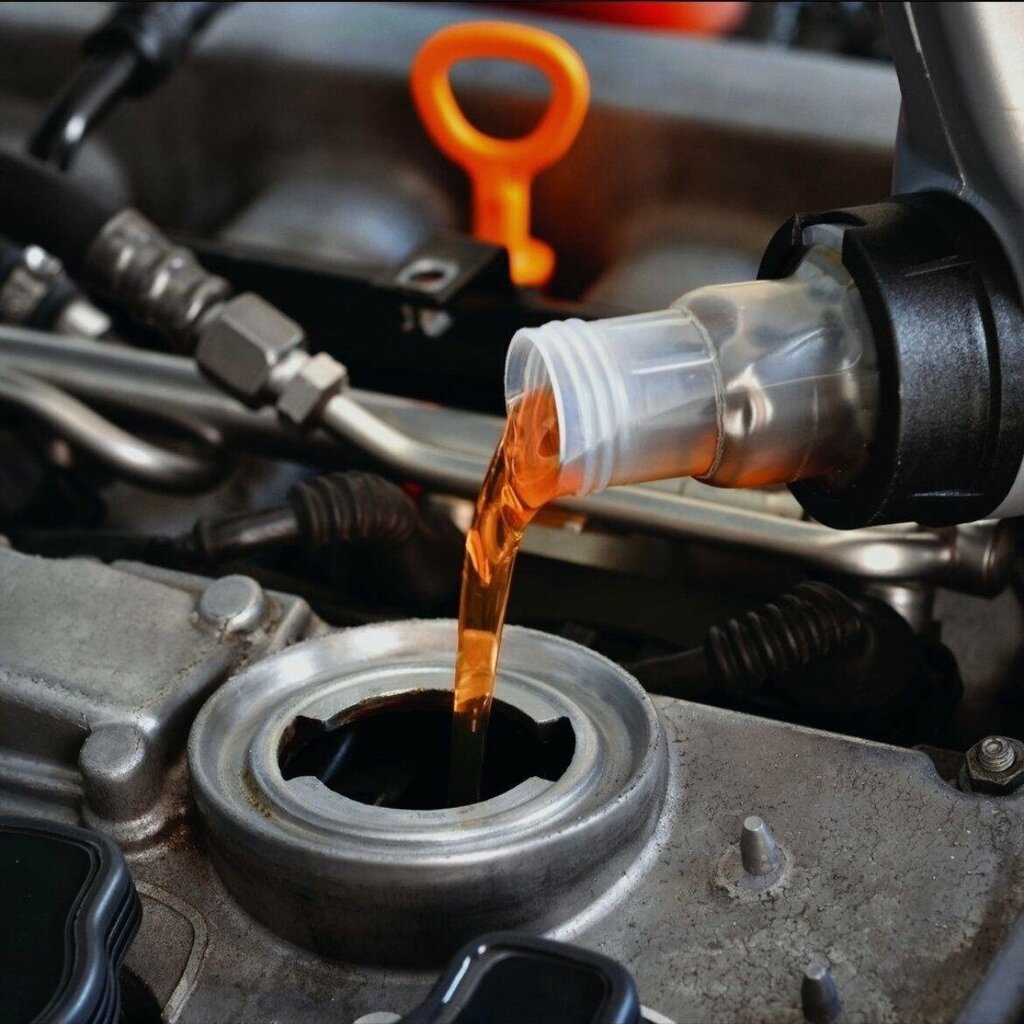
Your car is more than just a machine—it’s a companion that supports your daily life, your family trips, and your work commute. Ensuring it runs efficiently requires regular maintenance, and two of the most crucial aspects of vehicle care are an Engine Oil change and Tire maintenance. While they may seem unrelated at first, both play a critical role in safety, performance, and longevity of your vehicle.
In this guide, we’ll explore why these services are essential, signs your car needs attention, and practical tips to keep your vehicle in top condition.
Why Engine Oil Change Is Crucial
Engine oil is the lifeblood of your vehicle. It lubricates moving parts, reduces friction, cools the engine, and prevents harmful debris from causing damage. Over time, oil loses its effectiveness due to heat, dirt, and combustion byproducts. Skipping an Engine Oil change can lead to serious engine problems, decreased performance, and expensive repairs.
Benefits of regular Engine Oil change include:
-
Improved Engine Performance: Fresh oil ensures smooth engine operation and reduces friction.
-
Fuel Efficiency: Clean oil reduces energy loss, helping your car run more efficiently.
-
Extended Engine Life: Regular oil changes prevent sludge buildup and engine wear.
-
Cost Savings: Preventing major engine issues reduces repair costs in the long run.
Signs Your Car Needs an Engine Oil Change
Even if your car seems fine, there are subtle warning signs:
-
Dark, dirty oil on the dipstick
-
Engine noises or unusual ticking sounds
-
Reduced fuel efficiency
-
Dashboard warning lights
Regularly checking and changing your engine oil ensures your car continues to operate at peak performance.
Engine Oil Change Process
A professional Engine Oil change involves several steps to protect your vehicle:
-
Draining Old Oil: Removing the used oil that may contain dirt and metal particles.
-
Replacing the Oil Filter: Ensures new oil circulates cleanly through the engine.
-
Adding Fresh Oil: The correct oil type and grade are added for optimal performance.
-
Inspection: Mechanics often check for leaks or other potential issues during the oil change.
This simple maintenance step is one of the most cost-effective ways to keep your engine healthy.
Why Tire Maintenance Is Equally Important
While engine oil keeps your car’s internal components running smoothly, your tires are the only point of contact with the road. Proper Tire maintenance is essential for safety, fuel efficiency, and driving comfort. Neglecting tires can lead to poor handling, accidents, and uneven wear.
Key tire maintenance practices include:
-
Regular Inspections: Look for cracks, punctures, uneven wear, or embedded objects.
-
Tire Pressure Checks: Proper inflation improves handling, reduces wear, and saves fuel.
-
Rotation and Balancing: Ensures even wear and smooth driving.
-
Wheel Alignment: Proper alignment prevents uneven tire wear and improves safety.
-
Tread Depth Monitoring: Adequate tread provides traction, especially in wet conditions.
How Engine Oil Change and Tire Maintenance Work Together
Though these two services address different systems, both are critical for vehicle performance and safety. A well-lubricated engine ensures smooth operation, while properly maintained tires ensure control and stability on the road. Together, they prevent costly repairs and make driving safer and more comfortable.
-
Safety: Smooth engine performance combined with safe tires reduces the risk of breakdowns and accidents.
-
Fuel Efficiency: Efficient engines and properly inflated tires improve mileage.
-
Longevity: Both services help extend the life of your vehicle and key components.
Practical Tips for Maintaining Your Car
You can take simple steps to extend the benefits of both Engine Oil change and Tire maintenance:
-
Monitor Oil Levels: Check your dipstick regularly between oil changes.
-
Use the Correct Oil: Always follow the manufacturer’s recommendations for oil type and grade.
-
Check Tire Pressure Monthly: Keep tires inflated to the recommended PSI for efficiency and safety.
-
Rotate Tires Regularly: Helps prevent uneven wear and extends tire life.
-
Inspect Tires for Damage: Look for bulges, cracks, or embedded objects.
-
Drive Smoothly: Avoid harsh acceleration, braking, or cornering to reduce wear on both engine and tires.
Benefits of Professional Maintenance
Relying on professionals for Engine Oil change and Tire maintenance provides additional benefits:
-
Expert Diagnostics: Professionals detect potential problems early.
-
Reliability: Ensures your car runs smoothly and safely.
-
Cost Savings: Preventive maintenance reduces the risk of expensive repairs.
-
Peace of Mind: Knowing your vehicle is properly maintained allows stress-free driving.
Common Myths About Car Maintenance
Many drivers underestimate the importance of regular service:
-
“Engine oil lasts forever.” Regular oil changes are essential for engine health.
-
“Tires only need attention when flat.” Preventive tire care ensures safety and efficiency.
-
“DIY maintenance is enough.” Professional care ensures proper inspection, quality parts, and correct procedures.
Conclusion
Maintaining your car requires attention to both internal and external systems. An Engine Oil change keeps your engine running smoothly and efficiently, while proper Tire maintenance ensures safe handling, better fuel economy, and longer tire life.
Regular maintenance is a small investment for long-term safety, performance, and cost savings. Schedule your next oil change and tire inspection today to enjoy a reliable, safe, and comfortable driving experience. Your car—and your peace of mind—deserve it.