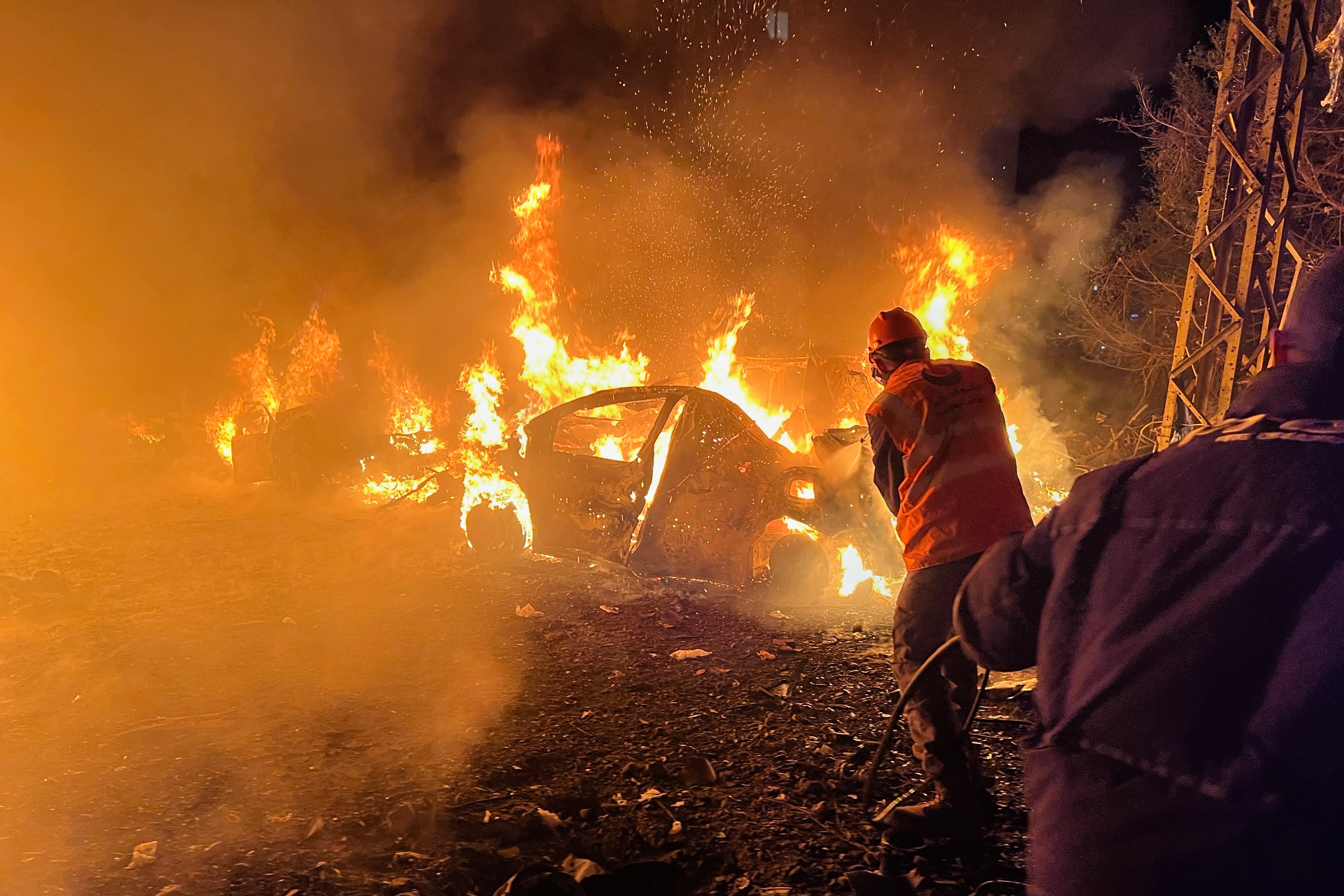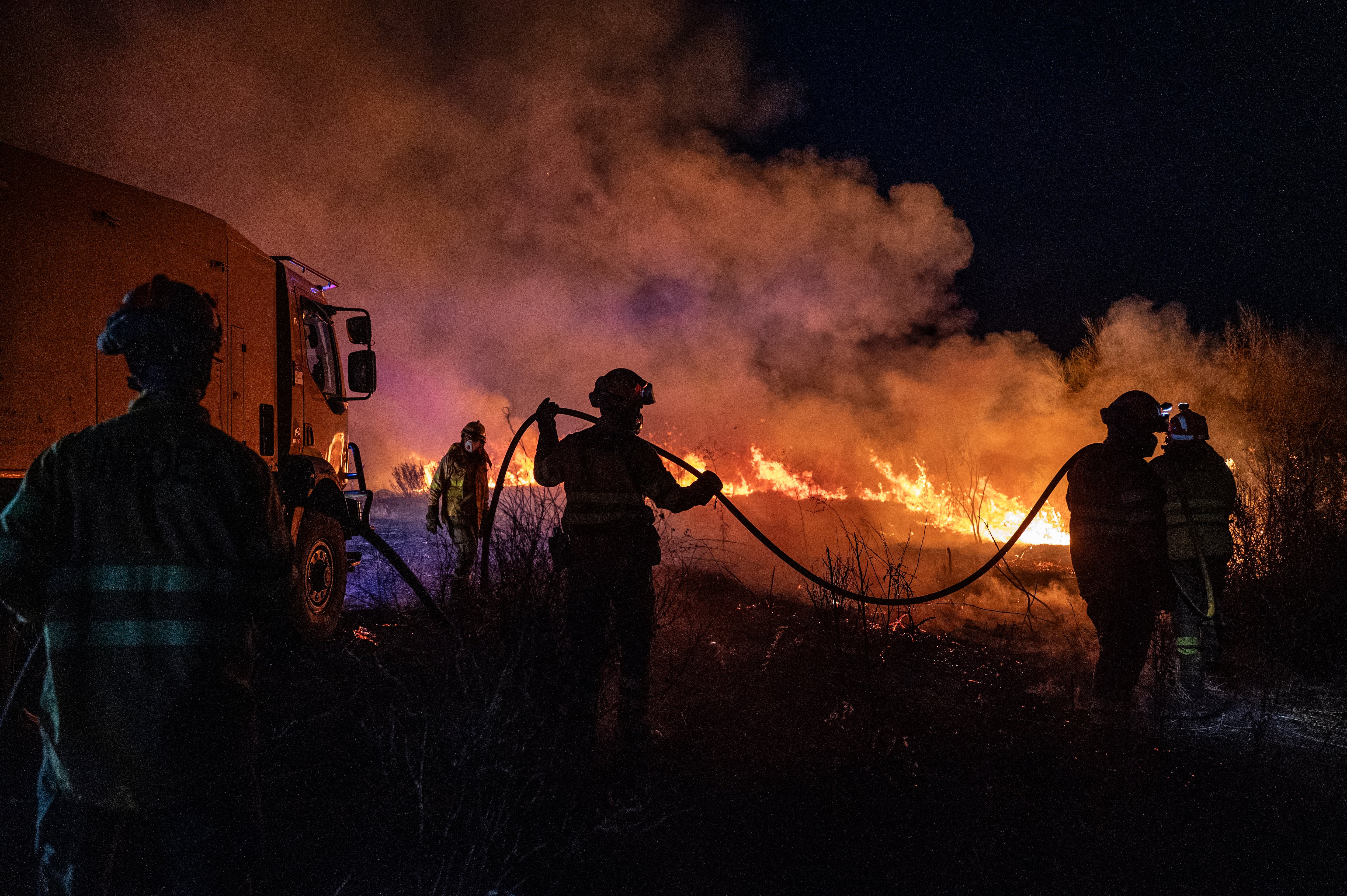
Spain suffers more and more destructive fires. According to a study conducted in 2022 by the European Commission, the economic impact consequence of fires is for Spain a cost of 4.5% of GDP, that is: about 71,623 million euros. To put it in perspective, this figure is almost double the 33,123 million that Spain budgeted in 2025 for defense. And this was before 2023, when more than 4,300 fires were recorded, 16 of which were one of the most destructive of the last decade and in which almost 63,000 hectares were calculated, compared to 18,000 of 2022 or 22,000 of 2024.
According to a report published by the German insurer Allianz, the losses covered by the worldwide insurance for forest fires increased from 7,370 million euros in the first decade of this century to 47,700 million in the 2010, which means that they have multiplied by six. Although any economic sector can be affected by a forest fire, public services and energy, real estate and construction, agriculture and transport are among the sectors that face a more significant exposure to damage and the interruption of the activity.
In Spain, the Insurance Compensation Consortium – dependent on the Ministry of Economy – states not having specific calculations on the damages derived from forest fires and the Ministry of Ecological Transition and the Demographic Challenge does not include economic damage in its General Statistical Statistics of Forest Fire (EGIF), although it is estimated that the approximate cost of extinction of a fire is around 10,000 euros per hectare. This being only the direct cost of extinction.
Javier Fatás, head of the Environment of the Coordinator of Organizations of Farmers and Livestocks (COAG) figure in more than 15 million euros the cost of restoration tasks in a single campaign, as happened in 2023 in Extremadura. However, the total invoice, taking into account not only losses in crops and cattle, but the consequences for rural tourism, trade or hospitality, can amount to 21 million euros per campaign for the field. Without counting the effects on rural depopulation, “because each fire is one more wound in an economic model that already suffers” and that reduces regional GDP between 0.11% and 0.18% per year, emphasizes fatás, which asks for greater prevention tasks, an agrarian insurance that not only covers immediate damage and a state fundamental background agricultural recovery after fire.
The first great fire of 2025, in Lleida, in addition to having charged two lives, meant destruction in crops, homes and infrastructure. He paralyzed rail transport, leaving more than 700 passengers trapped in trains and affecting the transfers of around 15,000 people, which, according to consumers organizations, can assume to rail operators some costs in compensation of more than five million euros, the fourth part of the paid by the state operator, Renfe, during the last year; While the cost of this fire also affects the other two operators, the French Ouigo and the ItaloEspañola Iryo.
Climate change would be aggravating the frequency and intensity of fires, by accumulating more and more energy in the atmosphere, which is violently released, with a greater incidence of the so -called “sixth generation fires” a type of fire so fast and so intense that in addition to having greater destructive power, it is able to affect the climate, causing its own clouds (pyrocuse), storms Winds that further feed the flames. That is why extinction services do not have the ability to turn them off, but can only aspire to “graze them” until they can be controlled, explains Mónica Parrilla, Greenpeace spokesman. This expert warns that these fires, as well as other extreme climatic phenomena, such as Danas, have become so frequent that we should already get used to encrypting their costs as recurring expenses. According to the spokeswoman for the environmental organization, this type of fire has multiplied by five, a figure that can increase due to the progressive abandonment of agriculture and the consequent increase in forest area in Spain.
Grill also warns that this increase in the frequency of fires can cause insurers to refuse to cover the damage caused by this kind of climatic catastrophes, as already happens in the United States, where insurers no longer want to cover the risks by fires in California.
The aforementioned Allianz report also emphasizes that exposure to forest fires is intensifying due to the change in land use, particularly in the “urban-forest interface” (or Wui, for its acronym in English), where human development is expanding towards areas of wild vegetation prone to fires. The number of people and properties exposed to forest fires is increasing. This exhibition coincides with the increase in the length of the electric lines and the roads, both key sources of ignition. “A landscape is not a mere decorated and at this time, when we put a house inside a forest, we have to be aware that we are in an environment that can be affected by an extreme climate phenomenon,” Grill recalls.
Prevention
In what farmers, environmentalists and insurers coincide is that Spain is a country that is very good managing fires, but not so much when preventing them, where responsibility is distributed between several sectors and administrations, without there being place for simplistic solutions. “Preventing fires is not an expense: it is to protect employment, production and future,” emphasizes Javier Fatás, who believes that farmers cannot be responsible exclusively, but that other economic sectors and public powers also have to assume their part of responsibility.
“Companies must identify the risk that their operations can cause forest fires or be affected by forest fires of human or natural origin, evaluate possible impacts and develop well -documented forest fire management plans,” says Michael Bruch, global director of Risk Advice Services of Allianz Commercial.
For its part, Mónica Parrilla claims that those who contribute most to the increase in emissions that cause global warming are also responsible and believe that the most polluting companies and sectors must have greater fiscal responsibility, “because the consequences are suffered by the consequences.”
For more updates, visit our homepage: NewsTimesWire