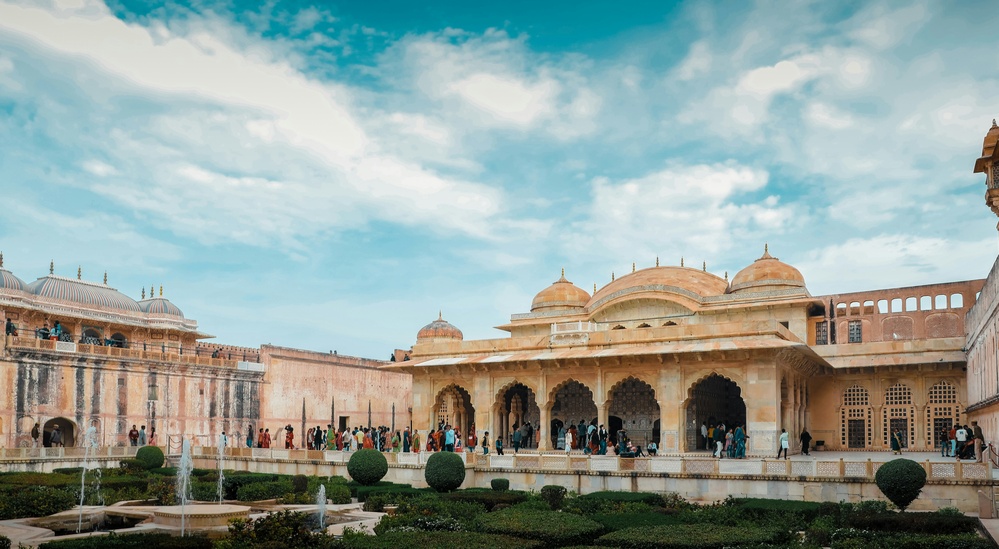
Rajasthan is often celebrated for its royal heritage, grand palaces, and vibrant culture. However, beyond its historical grandeur lies a thriving wilderness waiting to be explored. From dense forests with elusive tigers to stark desert landscapes hosting unique species, Rajasthan Wildlife Tourism offers nature and adventure lovers an unforgettable experience. Here are the best places for Rajasthan wildlife tourism you must visit on your next journey.
1. Ranthambore National Park
Located near Sawai Madhopur, Ranthambore National Park is the crown jewel of Rajasthan Wildlife Tourism. It is one of India’s most renowned tiger reserves and offers excellent chances to spot the majestic Royal Bengal Tiger in its natural habitat. Spanning 1,334 sq km, the park’s landscape is dotted with ancient ruins, lakes, and the iconic Ranthambore Fort, creating dramatic backdrops for wildlife safaris.
Wildlife highlights: Tigers, leopards, sloth bears, hyenas, sambhar deer, and over 300 bird species.
Best time to visit: October to June, with peak tiger sightings between March and June.
2. Sariska Tiger Reserve
Situated in Alwar district, Sariska Tiger Reserve is another must-visit destination in Rajasthan Wildlife Tourism. Once the hunting grounds of Alwar’s maharajas, it was declared a tiger reserve under Project Tiger in 1978. The reserve is home to tigers, leopards, wild boars, striped hyenas, jackals, and various deer species. The ancient Kankwari Fort within Sariska offers panoramic views of the forest.
Wildlife highlights: Tigers, leopards, hyenas, nilgai, sambhar, and diverse birdlife.
Best time to visit: October to March for pleasant weather and comfortable safaris.
3. Keoladeo National Park (Bharatpur Bird Sanctuary)
A UNESCO World Heritage Site, Keoladeo National Park is a paradise for bird watchers. Located in Bharatpur, this wetland sanctuary is home to over 370 species of resident and migratory birds, including the rare Siberian crane, painted storks, pelicans, spoonbills, and numerous raptors. Exploring the park on cycle rickshaws with naturalist guides enhances the birding experience.
Wildlife highlights: Migratory waterfowl, cranes, herons, eagles, and kingfishers.
Best time to visit: October to March during the migratory season.
4. Kumbhalgarh Wildlife Sanctuary
Surrounding the majestic Kumbhalgarh Fort in the Rajsamand district, Kumbhalgarh Wildlife Sanctuary is a hidden gem of Rajasthan Wildlife Tourism. Spread over 578 sq km, the sanctuary has rugged hills, deep valleys, and open grasslands supporting leopards, wolves, sloth bears, hyenas, jackals, sambhar deer, nilgai, and chinkaras. Jeep safaris and trekking routes through tribal villages and scenic landscapes add adventure to your wildlife experience.
Wildlife highlights: Leopards, wolves, bears, sambhar, and various bird species.
Best time to visit: October to March for comfortable treks and safaris.
5. Mount Abu Wildlife Sanctuary
Located in Rajasthan’s only hill station, Mount Abu Wildlife Sanctuary offers a unique ecosystem different from the rest of the state. The sanctuary houses leopards, jungle cats, hyenas, jackals, sambhar, wild boars, and over 250 bird species. It is also known for its rich floral diversity, including rare orchids and medicinal plants, making it a botanist’s paradise.
Wildlife highlights: Leopards, sambhar, Indian civet, langurs, and diverse birds.
Best time to visit: October to March for cool weather and clear views.
6. Tal Chhapar Sanctuary
Situated in the Churu district, Tal Chhapar Sanctuary is famous for its large population of blackbucks. The sanctuary is a flat saline depression with grasses, providing an ideal habitat for blackbucks, desert foxes, jungle cats, and desert reptiles. It is also a bird watcher’s haven, especially during migratory seasons when harriers, kestrels, eagles, and cranes flock here.
Wildlife highlights: Blackbucks, desert foxes, harriers, and migratory raptors.
Best time to visit: September to March for pleasant weather and birding.
7. Desert National Park
Located near Jaisalmer, Desert National Park is one of the most unique destinations in Rajasthan Wildlife Tourism. Covering 3,162 sq km, it showcases the Thar Desert ecosystem with rolling sand dunes, craggy rocks, and sparse vegetation. The park is home to the critically endangered Great Indian Bustard, desert foxes, chinkaras, blackbucks, and a wide variety of raptors like eagles, harriers, and falcons.
Wildlife highlights: Great Indian Bustard, chinkara, blackbuck, desert fox, and eagles.
Best time to visit: November to January for cooler temperatures and desert safaris.
Why Explore Rajasthan Wildlife Tourism?
Rajasthan Wildlife Tourism offers:
- Diverse experiences: From tiger safaris in Ranthambore to desert wildlife in Jaisalmer.
- Rich birding opportunities: Especially in Bharatpur and Tal Chhapar.
- Adventure activities: Jeep safaris, trekking, and desert explorations.
- Cultural integration: Many sanctuaries are near historic forts, enhancing your travel experience.
Tips for Wildlife Travel in Rajasthan
- Book safaris in advance, especially for Ranthambore and Sariska.
- Wear neutral-coloured clothes to blend with surroundings and avoid alarming animals.
- Carry binoculars and cameras with telephoto lenses for wildlife and bird photography.
- Follow park rules and maintain silence to respect wildlife habitats.
- Opt for early morning or evening safaris for the best sightings.
Conclusion
From the lush forests of Ranthambore to the stark dunes of Desert National Park, Rajasthan’s wildlife destinations offer a raw, untamed beauty that perfectly complements its royal heritage. Whether you are a photographer, nature lover, or adventure traveller, these best places for Rajasthan Wildlife Tourism promise experiences that will stay etched in your memory forever. Plan your next journey to explore the wild side of India’s desert state and witness nature in its most majestic form.