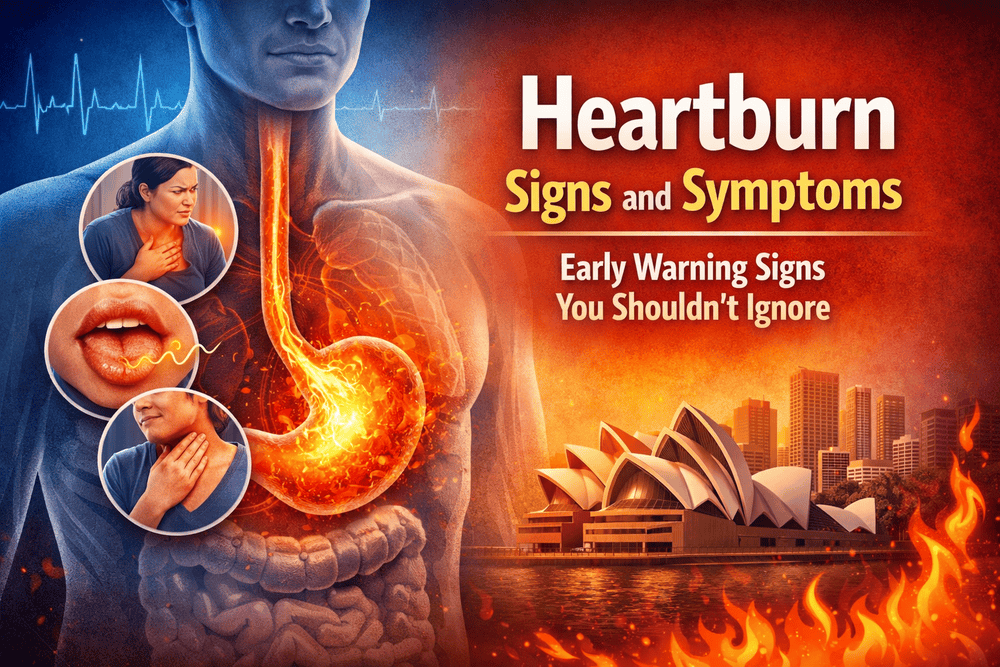
Heartburn is a common digestive issue, but many people underestimate its impact on long-term health. While occasional discomfort may seem harmless, persistent or worsening symptoms can signal underlying conditions that require medical attention. Understanding heartburn signs and symptoms is crucial for early intervention, prevention of complications, and maintaining overall digestive health, especially for Australians relying on convenient online healthcare services.
This comprehensive guide explores the early warning signs of heartburn, what causes it, how to differentiate it from other conditions, and when to seek professional medical advice online.
What Is Heartburn?
Heartburn is a burning sensation felt in the chest, usually behind the breastbone. Despite its name, it has nothing to do with the heart. The discomfort occurs when stomach acid flows back into the oesophagus, irritating its lining. This backward flow of acid is known as acid reflux.
Heartburn can affect people of all ages and lifestyles, and in Australia, dietary habits, stress, and busy routines often contribute to its increasing prevalence.
Common Heartburn Signs and Symptoms
Recognizing heartburn signs and symptoms early can help prevent chronic issues such as gastroesophageal reflux disease (GERD). Below are the most common indicators you should not ignore.
1. Burning Sensation in the Chest
The most recognizable symptom of heartburn is a burning sensation in the chest, often experienced after eating or at night. It may worsen when lying down or bending over and typically lasts from a few minutes to several hours.
2. Acidic or Bitter Taste in the Mouth
A sour, bitter, or acidic taste at the back of the throat or mouth is another hallmark symptom. This occurs when stomach acid travels upward into the oesophagus and mouth.
3. Regurgitation of Food or Liquid
Some people experience a sensation of food or liquid coming back up into the throat. This regurgitation can be uncomfortable and is a clear sign of acid reflux.
4. Chest Discomfort After Meals
Heartburn often flares up after consuming large meals or trigger foods such as spicy dishes, fried foods, citrus fruits, chocolate, coffee, or alcohol.
5. Difficulty Swallowing (Dysphagia)
If you feel like food is stuck in your throat or chest, this could be a more serious symptom associated with chronic acid irritation. Difficulty swallowing should never be ignored.
Less Common but Concerning Heartburn Symptoms
Some heartburn signs and symptoms are less obvious but may indicate a more severe or ongoing problem.
6. Chronic Cough or Throat Irritation
A persistent dry cough, sore throat, or hoarseness especially in the morning can result from stomach acid irritating the throat and vocal cords.
7. Feeling of a Lump in the Throat
Known as “globus sensation,” this feeling can be unsettling and is often linked to acid reflux rather than anxiety or infection.
8. Nausea or Indigestion
Ongoing nausea, bloating, or a general sense of indigestion may accompany heartburn, particularly after eating.
9. Worsening Symptoms at Night
Night-time heartburn can disrupt sleep and may indicate poor digestion or eating too close to bedtime. Elevating the head during sleep may provide temporary relief.
Early Warning Signs You Shouldn’t Ignore
While occasional heartburn is common, certain red flags suggest it’s time to seek medical advice:
- Heartburn occurring more than twice a week
- Symptoms persisting despite lifestyle changes
- Pain radiating to the neck, jaw, or arms
- Unexplained weight loss
- Vomiting blood or black stools
- Severe or sudden chest pain
These symptoms could indicate GERD, oesophagitis, or other serious digestive conditions.
Heartburn vs Heart Attack: Knowing the Difference
One of the biggest concerns with chest discomfort is distinguishing heartburn from a heart attack. While both can cause chest pain, there are key differences:
Heartburn pain
- Burning sensation
- Often occurs after eating
- Improves with antacids
- Associated with a sour taste
Heart attack pain
- Crushing or pressure-like pain
- Radiates to arm, neck, or jaw
- Accompanied by shortness of breath, sweating, dizziness
If there is ever uncertainty, emergency medical care should be sought immediately.
What Causes Heartburn?
Understanding the causes behind heartburn signs and symptoms can help with prevention and management.
Common Triggers Include:
- Spicy, fatty, or acidic foods
- Large meals or eating late at night
- Caffeine and alcohol
- Smoking
- Obesity
- Pregnancy
- Stress and anxiety
- Certain medications (e.g., NSAIDs)
In Australia’s fast-paced lifestyle, irregular meals and high stress levels can increase the likelihood of recurring heartburn.
Lifestyle Changes to Reduce Heartburn Symptoms
Mild to moderate heartburn can often be managed with simple lifestyle adjustments:
Dietary Modifications
- Eat smaller, more frequent meals
- Avoid trigger foods
- Stay upright for at least 2–3 hours after eating
Healthy Habits
- Maintain a healthy weight
- Quit smoking
- Reduce alcohol intake
- Wear loose-fitting clothing
Sleep Adjustments
- Elevate the head of the bed
- Avoid eating close to bedtime
These changes can significantly reduce the frequency and intensity of symptoms.
When to Seek Medical Advice Online
If lifestyle changes don’t improve your condition, professional medical guidance is essential. Persistent heartburn signs and symptoms may require further investigation, prescription medication, or diagnostic tests.
Australians now have the convenience of accessing licensed doctors through online consultations. Services like HelloGP allow patients to discuss symptoms, receive medical advice, and access treatment plans without visiting a clinic making healthcare more accessible, especially for those in regional or busy urban areas.
Treatment Options for Heartburn
Depending on the severity of symptoms, treatment may include:
Over-the-Counter Options
- Antacids
- H2 blockers
- Acid reducers
Prescription Medications
- Proton pump inhibitors (PPIs)
- Stronger acid-suppressing medications
Long-Term Management
For chronic cases, ongoing monitoring and treatment plans are essential to prevent complications such as oesophageal damage.
Why Early Diagnosis Matters
Ignoring recurring heartburn signs and symptoms can lead to long-term complications, including:
- Chronic GERD
- Oesophageal strictures
- Barrett’s oesophagus
- Increased risk of oesophageal cancer
Early diagnosis and treatment significantly reduce these risks and improve quality of life.
Final Thoughts
Heartburn may start as a minor inconvenience, but persistent symptoms should never be dismissed. Recognizing early warning signs, understanding triggers, and seeking timely medical advice especially through online healthcare services in Australia can make a significant difference in long-term digestive health.
If you experience ongoing discomfort, chest burning, or related symptoms, taking action early is the key to effective management and peace of mind.