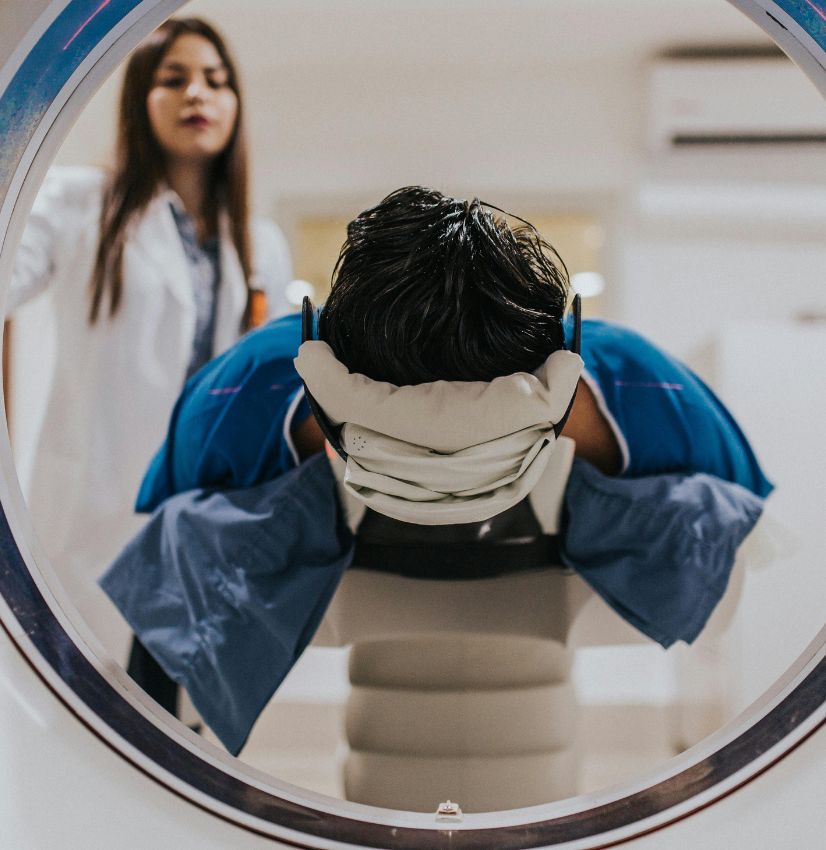
A DEXA scan, also known as Dual-Energy X-Ray Absorptiometry, is considered one of the most accurate diagnostic tools for measuring bone density and body composition. While many people associate it mainly with osteoporosis testing, modern DEXA technology offers far more detailed insights. Doctors use DEXA results to evaluate bone strength, identify hormonal or metabolic issues, assess muscle and fat distribution, and track changes over time.
In simple terms, DEXA results act as a roadmap. They help doctors diagnose health conditions early, determine the right treatment plan, and monitor progress to ensure that the chosen therapies are working effectively. This article explains exactly how doctors interpret these results and convert them into actionable, personalised treatment strategies.
What Does a DEXA Scan Measure?
1. Bone Mineral Density (BMD)
The primary purpose of a DEXA scan is to measure the density of minerals—mainly calcium—in your bones. This measurement indicates how strong your bones are and how resistant they may be to fractures.
2. Body Composition
A modern DEXA scan measures:
-
Total body fat
-
Lean muscle mass
-
Visceral adipose tissue (dangerous deep belly fat)
-
Regional fat distribution
This gives a complete picture of metabolic health.
3. Regional vs Whole-Body Values
A DEXA scan can measure specific areas such as:
-
Spine
-
Hip
-
Forearm
Or the entire body. Doctors choose the region based on your health concerns and symptoms.
Key DEXA Scan Values Doctors Examine
T-Score
The T-score compares your bone density to that of a healthy young adult. Doctors use World Health Organization (WHO) ranges:
-
+1 to –1: Normal
-
–1 to –2.5: Osteopenia (mild bone loss)
-
–2.5 or lower: Osteoporosis
Z-Score
Z-scores compare your bone density to someone your own age, sex, and body size. This value is more useful for:
-
Men under 50
-
Premenopausal women
-
Children and teens
A low Z-score may suggest an underlying medical issue.
Bone Density Trends
Doctors compare your current DEXA to previous scans to track progression. This helps identify whether treatment is working or if intervention is needed.
Body Composition Metrics
Doctors also analyse:
-
Total body fat (%)
-
Lean body mass
-
Muscle distribution
-
Visceral fat levels
These values help assess metabolic and cardiovascular risks.
How Doctors Interpret DEXA Scan Results
1. Identifying Bone Health Conditions
Doctors use DEXA scans to diagnose:
-
Osteopenia
-
Osteoporosis
-
Severe bone loss
-
Fracture risk
They evaluate both your T-score and clinical risk factors before recommending treatment.
2. Assessing Metabolic Health
High visceral fat or low muscle mass may indicate:
-
Insulin resistance
-
Increased heart disease risk
-
Chronic inflammation
-
Hormonal imbalance
-
Early signs of metabolic syndrome
The scan provides a clearer picture than BMI alone.
3. Detecting Hormonal or Nutritional Disorders
Abnormally low Z-scores may signal:
-
Vitamin D deficiency
-
Thyroid disorders
-
Testosterone deficiency
-
Celiac disease
-
Long-term steroid use
This helps doctors investigate underlying conditions rather than treating symptoms alone.
4. Evaluating Age-Related Changes
Bone density naturally declines with age, and muscle mass decreases as well. Doctors use DEXA to determine:
-
Whether changes are within normal ranges
-
Whether preventative treatments or supplements are required
How Doctors Use DEXA Results to Form Treatment Plans
A. Treatment Planning for Osteoporosis and Low Bone Density
1. Medication Choices
Doctors may recommend:
-
Bisphosphonates to slow bone breakdown
-
Denosumab for high-risk osteoporosis
-
Hormone therapy for post-menopausal women
-
Anabolic agents like teriparatide to stimulate new bone growth
The choice depends on the severity of bone loss and fracture-risk.
2. Calcium and Vitamin D Supplementation
DEXA results can reveal bone loss associated with nutritional deficiencies. Doctors prescribe:
-
Daily vitamin D supplementation
-
Calcium intake guidelines
-
Blood tests to monitor levels
3. Lifestyle and Exercise Recommendations
Doctors typically suggest:
-
Weight-bearing exercises
-
Strength training
-
Balance exercises to reduce fall risk
4. Fracture Prevention Strategies
Information from DEXA scans helps doctors develop personalised fracture-prevention plans using tools like FRAX.
B. Treatment Planning for Sarcopenia (Low Muscle Mass)
If the DEXA scan shows reduced lean mass, especially in older adults, doctors may prescribe:
-
Resistance training programs
-
Increased dietary protein
-
Vitamin D supplementation
-
Physical therapy
-
Hormonal evaluations
Tracking muscle mass over time helps measure progress.
C. Treatment Planning for High Body Fat or High Visceral Fat
Doctors use DEXA body fat and VAT readings to:
-
Develop customized weight-loss plans
-
Offer nutritional counselling
-
Adjust calorie intake
-
Recommend exercise programs
-
Address insulin resistance or pre-diabetes
-
Refer patients to endocrinologists when necessary
High visceral fat often requires early intervention to prevent long-term health complications.
D. Treatment Planning for Athletes
Athletes use DEXA scans to optimise performance. Doctors or coaches may:
-
Track lean muscle gains
-
Analyse fat distribution
-
Measure the effectiveness of training
-
Identify areas needing strength improvement
E. Treatment Planning for Hormonal or Metabolic Disorders
Based on DEXA findings, doctors may adjust:
-
Thyroid medication
-
Testosterone therapy
-
Diabetes treatment
-
Vitamin supplementation
This ensures underlying health conditions are properly managed.
How Often Do Doctors Recommend Follow-Up DEXA Scans?
Follow-up frequency depends on your condition:
-
Osteoporosis: Every 12–24 months
-
Osteopenia: Every 2–3 years
-
Weight-loss tracking: Every 3–6 months
-
Athletic monitoring: Every 3–12 months
Doctors compare new and old results to determine whether to continue, stop, or adjust treatments.
Limitations and Risks of DEXA Scans
While extremely accurate, DEXA scans do have limitations:
-
Minor radiation exposure
-
Less accurate in people with metal implants
-
Can be influenced by spinal abnormalities
-
Not a stand-alone diagnostic tool
Despite these limitations, the benefits far outweigh the risks for most people.
Conclusion
DEXA scans are powerful diagnostic tools that provide essential insights into bone health, muscle mass, and fat distribution. Doctors use these results to diagnose conditions like osteoporosis, assess metabolic health, monitor fitness progress, and identify underlying medical problems. By interpreting the scan’s metrics—from T-scores and Z-scores to visceral fat and muscle distribution—doctors create personalised treatment plans that improve long-term health outcomes.
Regular monitoring ensures treatments are effective and early changes can be made when necessary. Whether you’re concerned about bone loss, metabolic health, or fitness optimisation, a DEXA scan is one of the most reliable ways to understand your body and guide accurate medical decisions.
Frequently Asked Questions (FAQs)
1. What is considered a good DEXA scan result?
A normal T-score between +1 and –1 indicates healthy bone density. Desirable body fat levels vary depending on age and gender.
2. How often should I get a DEXA scan?
Most people only need a scan every 1–2 years unless monitoring weight-loss progress or athletic performance more frequently.
3. Does a DEXA scan hurt?
No, it’s completely painless and non-invasive.
4. Can a DEXA scan diagnose osteoporosis?
Yes, it is the gold standard for diagnosing osteoporosis and assessing fracture risk.
5. Is DEXA body composition accurate?
Yes, DEXA is one of the most precise methods for measuring fat, muscle, and visceral fat.
6. Does insurance cover DEXA scans?
In many countries, insurance or Medicare covers the scan if medically necessary, such as for osteoporosis risk.