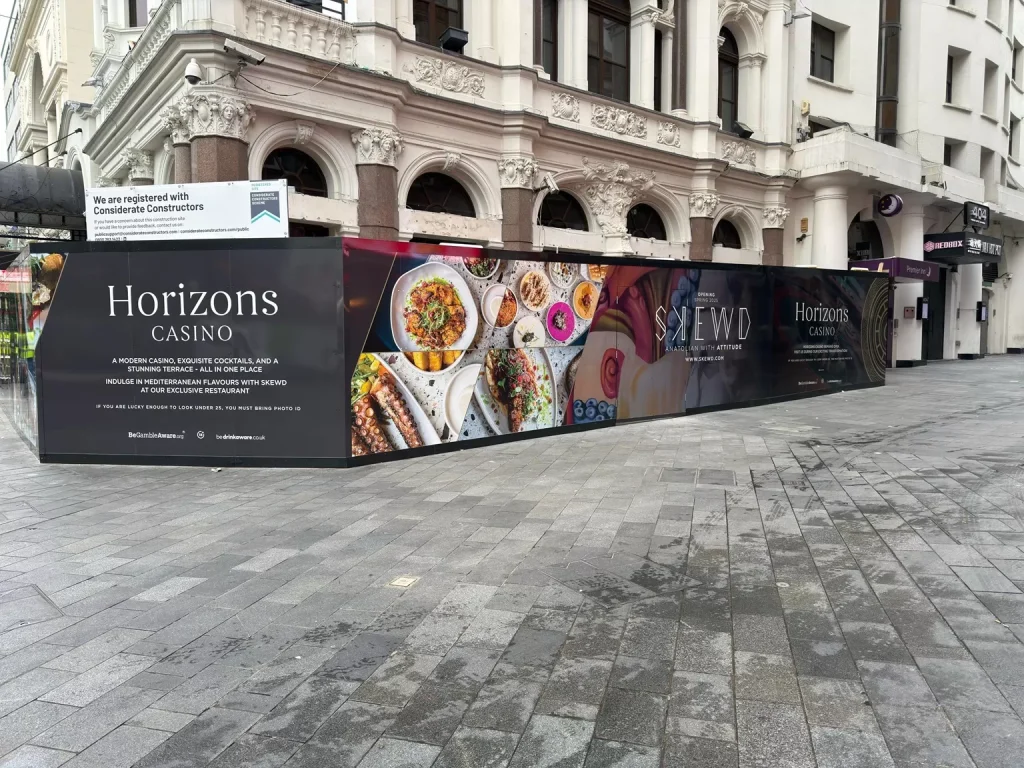
Image Source: Hoarding Printing Company
Construction sites are now part of the everyday landscape, often positioned along busy streets, retail districts, and residential routes. With so many people passing by each day, first impressions have become just as important as the work happening behind the fencing. That’s where modern hoardings step in. They bring structure, clarity, and a professional finish to active projects while helping developments stand out from day one. Whether it’s a small renovation or a large multi-year scheme, hoardings shape how the public views what’s taking place.
Why Constant Visibility Matters for Modern Developments
The Power of Repetition on High-Footfall Routes
When a project sits near a commuter route, a retail hub, or a busy pedestrian path, consistent exposure becomes its greatest advantage. Large-format hoardings are seen repeatedly by the same audience, helping the development stay top of mind well before completion. This is where building site hoarding becomes a subtle yet powerful marketing tool, because visibility doesn’t need expensive media space when the boundary itself delivers the message every single day.
Building Curiosity and Anticipation Before Launch
Most new developments take months or years to complete, so public curiosity builds naturally. Using hoarding graphics to present teasers, visuals, or lifestyle messaging turns everyday boundaries into storytelling spaces. People instantly gain a sense of progress, which reassures communities and creates anticipation. When done well, anticipation directly supports early enquiries, particularly in the residential and mixed-use sectors.

Hoardings as Permanent Advertising Channels
Strategic Placement for Maximum Impact
A well-positioned boundary can have the same impact as a large-scale billboard. By placing hoarding boards along major roads, construction teams make sure passers-by can understand what’s coming next without searching for information elsewhere. Strategic placement also helps organise footpaths, guiding people clearly and keeping the overall site looking tidy and controlled. The more visually consistent the message, the easier it becomes for the public to recognise the project and the developer behind it.
Using Lighting to Maintain Visibility After Dark
Hoardings don’t stop working at sunset. Keeping certain sections illuminated helps maintain visibility long after daylight hours, ensuring the messaging continues through evenings and early mornings. LED fixtures, reflective strips, and well-placed spotlights all contribute to a polished and professional presentation. When lighting is incorporated into hoarding boards, the site becomes safer for pedestrians and more eye-catching for passing traffic, doubling the value of the space.
Turning Development Stories Into Visual Narratives
Presenting Lifestyle, Community and Future Value
People rarely connect with buildings at the early stages of construction, but they do respond to visuals that show potential. Lifestyle imagery, artist impressions, and community benefits all help communicate the bigger vision. When these visual narratives sit on building site hoarding, the message becomes impossible to miss. Passers-by can picture new homes, retail spaces, public amenities, and green areas long before they are built, making the future feel more tangible.
Consistent Branding Across Multiple Sites
Developers with several active projects benefit greatly from maintaining a consistent look across different locations. Matching colour palettes, typography, and logos reinforces identity and credibility. This consistency can turn simple boundaries into an instantly recognisable feature of the brand. High-quality hoarding boards make it easier to maintain clarity and continuity, especially for developers aiming to build strong local reputations.
Practical Gains for Contractors and Developers
Safety and Brand Visibility Working Together
Hoardings must meet strict safety standards, but they can do far more than block access. When designed with clarity and purpose, they improve the public’s understanding of what’s happening behind the scenes. They keep walkways defined, soften the impact of construction, and maintain a cleaner view for the surrounding community. This combination of function and visual appeal is what makes building site hoarding one of the most versatile tools on any active project.
A Cost-Effective Promotional Medium
Outdoor advertising can be costly, especially for long-term campaigns. Hoardings, however, already need to be in place for safety reasons, meaning the promotional space is essentially free. With only printing and installation to consider, the cost-per-impression becomes extremely low, especially on sites that remain active for extended periods. Those needing specific pricing or material details can check the options available online for accurate guidance.
How to Make the Most of Hoarding Space
Graphic Techniques That Work
A construction boundary is a large canvas, and how it’s used matters. The most effective hoarding designs tend to follow a few simple principles:
- Clear, readable messages with strong visual hierarchy
- High-resolution CGI visuals showing future development plans
- QR codes that link to brochures, videos, or registration pages
- Seasonal or milestone updates that keep messaging current
When these elements work together, a simple boundary transforms into an active part of the development strategy.

Material Choice That Supports Round-the-Clock Exposure
The weather in the UK can be unpredictable, making durability essential. This is why many contractors choose aluminium composite panels, they offer long-term resilience, smooth finishes, and excellent colour retention. When used as the structure for hoarding boards, they provide stronger resistance to heavy rain, sunlight, and long-term wear. High-quality materials ensure the graphics remain crisp and professional, keeping the boundary attractive throughout the project timeline.
Scenarios Where 24/7 Visibility Delivers Results
Large Urban Regeneration Schemes
Big city developments often span several blocks and last many years. Hoardings help unify the entire site with a consistent identity, giving communities a sense of the long-term vision. They also reduce disruption by keeping navigational routes clear and visually organised.
Residential New Builds and Mixed-Use Sites
Housing schemes benefit heavily from pre-launch interest. Attractive hoardings showcasing future homes, green areas, and floor plans help buyers picture themselves living there. This early visibility can generate enquiries long before show homes are ready.
Retail and Commercial Developments
Retail parks and commercial units often rely on anticipation to build momentum toward opening day. Hoardings showing future tenants, brand partnerships, or community benefits help maintain excitement and provide valuable advertising space while construction progresses.
Frequently Asked Questions (FAQ)
How long do construction hoardings usually stay in place?
Most remain for the duration of the project, which can vary from several months to multiple years depending on the scale and complexity of the development.
Can hoardings support lighting or interactive features?
Yes. Many modern systems allow for integrated lighting, digital elements, or interactive QR codes to improve visibility and engagement.
What materials work best for long-term hoardings?
Durable panels such as aluminium composite materials are commonly used because they withstand weather changes and keep graphics sharp.
Conclusion
Hoardings have evolved into reliable communication tools that support visibility, safety, and professionalism throughout the development process. Their round-the-clock presence helps shape public perception while offering an effective platform for showcasing future plans and reinforcing brand identity. As projects grow more complex and expectations rise, well-designed boundaries become essential rather than optional. For those seeking tailored hoarding options, durable materials, or printing guidance, Hoarding Printing Company provides a range of solutions designed to support both practical needs and long-term presentation goals.