The oil and gas industry demands materials that can withstand extreme conditions—high pressure, elevated temperatures, and corrosive environments. One such material that has consistently proven its worth is Inconel 625, a nickel-based superalloy known for its strength, oxidation resistance, and durability. However, beyond its direct use in pipelines, valves, and offshore platforms, there is growing recognition of the value of inconel 625 scrap. Recycling this scrap not only helps meet industrial demand but also promotes sustainability and cost-efficiency.
In this blog, we’ll explore how Inconel 625 scrap plays an important role in the oil and gas sector, its benefits, and why recycling has become an essential practice in modern industries.
Understanding Inconel 625
Inconel 625 is a nickel-chromium-molybdenum alloy developed to resist some of the harshest operating conditions. Its key characteristics include:
- Exceptional corrosion resistance in seawater, brine, and acidic environments.
- High tensile and yield strength without the need for heat treatment.
- Resistance to oxidation at temperatures up to 980°C.
- Outstanding fatigue and creep resistance, making it ideal for long-term use in offshore and deep-sea oil exploration.
These properties make Inconel 625 indispensable in critical oil and gas operations, particularly where material failure can lead to costly downtime or environmental hazards.
The Role of Inconel 625 in the Oil and Gas Industry
In oil and gas applications, Inconel 625 is used in:
- Subsea pipelines and risers – resisting corrosion from seawater and hydrocarbons.
- Offshore platforms – providing structural reliability against waves, salt spray, and high winds.
- Valves, pumps, and fasteners – ensuring leak-proof operations under extreme pressure.
- Heat exchangers – withstanding high thermal cycles in processing plants.
- Downhole equipment – surviving exposure to sour gas and hydrogen sulfide.
While these applications highlight its critical role, the rising demand for Inconel 625 also creates opportunities in recycling and reusing inconel 625 scrap.
What is Inconel 625 Scrap?
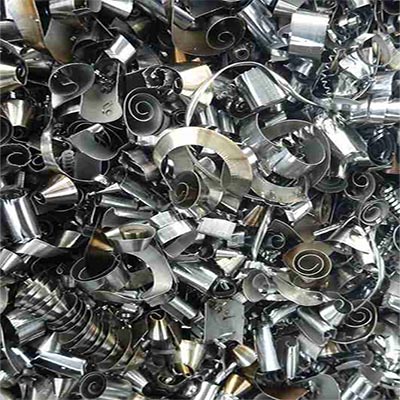
Inconel 625 scrap refers to leftover materials, machining waste, rejected components, or discarded parts that still retain valuable alloy content. Instead of being treated as industrial waste, these scraps are collected, sorted, and reprocessed to recover the nickel, chromium, and molybdenum—metals that are both scarce and expensive.
Scrap sources include:
- End-of-life equipment from oil rigs or refineries.
- Off-cuts from pipe manufacturing and fabrication.
- Worn-out parts like valves, flanges, or turbine blades.
Benefits of Using Inconel 625 Scrap in the Oil and Gas Sector
1. Cost-Effective Resource Recovery
Nickel and molybdenum are high-cost metals. Recycling Inconel 625 scrap allows manufacturers to recover these critical elements, reducing the need for expensive raw material imports. This makes the alloy more affordable for large-scale oil and gas projects.
2. Sustainability and Environmental Responsibility
Mining and refining nickel and molybdenum consume significant energy and resources, often causing environmental damage. By recycling inconel 625 scrap, the oil and gas sector reduces its carbon footprint and minimizes reliance on resource-intensive mining.
3. Consistent Material Supply
With global demand for superalloys growing, sourcing virgin Inconel 625 can sometimes be challenging. Scrap recycling ensures a steady supply chain for oil and gas companies that rely on these materials for offshore and subsea applications.
4. Maintaining Alloy Integrity
Recycled Inconel 625 retains its original properties, including corrosion resistance and high strength. This makes it suitable for reprocessing into new equipment without compromising safety or performance standards.
5. Supporting Circular Economy Practices
The oil and gas industry faces growing scrutiny over environmental practices. Using Inconel 625 scrap aligns with circular economy principles, where waste is minimized and resources are reused to extend their lifecycle.
Applications of Recycled Inconel 625 Scrap
Recycled inconel 625 scrap finds renewed life in various oil and gas applications:
- Fabrication of new pipes and risers for offshore exploration.
- Repair and replacement parts for valves, pumps, and compressors.
- Heat-resistant components in refineries and LNG plants.
- Specialty fasteners and connectors for marine environments.
- Cladding materials for pipelines exposed to corrosive fluids.
By utilizing scrap, manufacturers can provide high-performance components at reduced costs while maintaining the demanding standards of oil and gas operations.
Recycling Process of Inconel 625 Scrap
The recycling process involves several steps to ensure the alloy’s quality is preserved:
- Collection and Sorting – Scrap is gathered from fabrication shops, refineries, and offshore rigs.
- Chemical Analysis – Advanced techniques verify the composition of the scrap to ensure purity.
- Melting and Refining – Scrap is melted in vacuum or induction furnaces to remove impurities.
- Alloy Adjustment – Any deficiencies in nickel, molybdenum, or chromium are corrected.
- Casting and Processing – The refined alloy is shaped into ingots, bars, pipes, or sheets for reuse.
This controlled recycling ensures that the resulting material performs just as well as freshly manufactured Inconel 625.
Economic and Strategic Importance
For oil and gas companies, recycling inconel 625 scrap is not just about cost savings—it’s also a strategic necessity. With geopolitical uncertainties and fluctuating raw material prices, securing a reliable source of critical alloys is vital for uninterrupted operations. Scrap recycling helps mitigate risks by reducing dependence on external suppliers.
Challenges in Scrap Utilization
Despite its advantages, recycling Inconel 625 scrap comes with challenges:
- Collection logistics – Retrieving scrap from offshore rigs can be expensive.
- Quality assurance – Ensuring uniform composition requires advanced testing.
- Market fluctuations – Scrap prices vary depending on demand and raw material costs.
Nevertheless, advances in recycling technologies and stronger sustainability commitments are overcoming these hurdles.
Conclusion
The oil and gas industry’s reliance on high-performance alloys like Inconel 625 is undeniable. With its unmatched strength, corrosion resistance, and durability, it is the material of choice for offshore and subsea applications. However, as demand grows, so does the importance of recycling inconel 625 scrap.
Recycling not only reduces costs and ensures a steady supply but also supports global sustainability goals by minimizing environmental impact. For an industry often criticized for its ecological footprint, integrating scrap utilization is a practical step toward a greener future.
In essence, Inconel 625 scrap is not just waste—it’s a valuable resource that keeps the oil and gas industry running efficiently and responsibly.