Introduction
In the automotive industry, every part of a vehicle needs to be strong, reliable, and long-lasting. But because cars face heat, friction, and heavy use every day, many parts wear out quickly. To solve this problem, engineers use advanced materials like nitronic 60 bar. This material is well known for its strength, resistance to wear, and ability to perform even in tough conditions.
Thanks to these qualities, nitronic 60 bar is now widely used to make car parts last longer and work better. In this blog, we’ll explain how it improves the lifespan of automotive components, what makes it special, and why many manufacturers prefer it.
What is Nitronic 60 Bar?
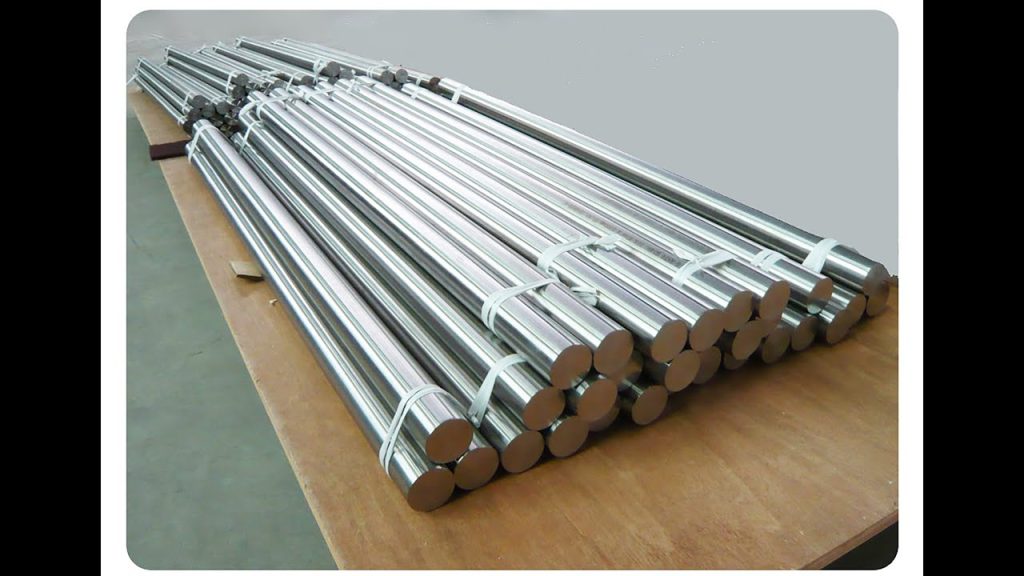
Nitronic 60 is an austenitic stainless steel alloy specifically designed to resist wear, galling, and fretting. When manufactured into round bars, it becomes a versatile raw material used in industries like automotive, aerospace, and marine.
A nitronic 60 bar offers a combination of:
- High strength at both room and elevated temperatures
- Superior resistance to galling (surface damage due to sliding contact)
- Excellent corrosion resistance
- Long-lasting performance in extreme environments
This makes it ideal for forging, machining, and fabricating critical automotive components.
Why Automotive Components Need Strong Materials
Automotive parts, such as gears, valves, fasteners, and bearings, experience constant friction and pressure. If the material is not strong enough, these parts wear out quickly, leading to breakdowns, costly repairs, and reduced vehicle efficiency.
This is where nitronic 60 bar shines. Its ability to resist wear and galling ensures that automotive parts last much longer than those made from standard steels.
Key Benefits of Nitronic 60 Bar in Automotive Applications
1. Superior Wear Resistance
Wear is one of the leading causes of component failure in vehicles. The unique composition of nitronic 60 bar minimizes wear even under heavy loads and sliding contact. This property is particularly valuable in engine parts, where moving components constantly rub against each other.
2. Resistance to Galling and Fretting
Galling is a common issue in fasteners, valves, and other sliding components. Unlike standard stainless steels, nitronic 60 bar resists galling, meaning components maintain smooth functionality over time without seizing or sticking.
3. High-Temperature Strength
Automotive engines and exhaust systems generate significant heat. Materials must retain their strength in such conditions. Nitronic 60 bar performs well at elevated temperatures, ensuring parts don’t lose integrity or deform under thermal stress.
4. Enhanced Corrosion Resistance
Road salt, moisture, and varying weather conditions expose vehicles to corrosion. Nitronic 60 bar has corrosion resistance comparable to 316 stainless steel, making it suitable for components exposed to harsh outdoor conditions.
5. Cost-Effective Durability
Although more advanced than standard steels, nitronic 60 bar provides long-term savings. Its ability to reduce wear and failure means fewer replacements and lower maintenance costs, improving the overall value for manufacturers and end-users.
Applications of Nitronic 60 Bar in the Automotive Industry
The versatility of nitronic 60 bar makes it useful in many critical automotive applications:
- Engine Valves – Reduces wear caused by constant opening and closing under high pressure.
- Fasteners and Bolts – Prevents galling and seizing during tightening or operation.
- Bearings and Bushings – Provides long service life under heavy loads and friction.
- Exhaust System Components – Retains strength at high temperatures while resisting corrosion.
- Transmission Parts – Enhances durability in gears and other moving components.
By using nitronic 60, manufacturers ensure that vital automotive parts perform reliably and last longer, even under extreme driving conditions.
Comparison with Other Materials
While conventional stainless steels like 304 or 316 offer good corrosion resistance, they are not as effective in resisting galling or wear. Alloy steels may provide strength but often lack corrosion resistance in harsh automotive environments.
A nitronic 60 bar bridges this gap by combining:
- Strength of alloy steels
- Corrosion resistance of stainless steels
- Unique galling and wear resistance
This balanced set of properties makes it a clear choice for extending the lifespan of automotive components.
Quality Standards for Nitronic 60 Bars
To ensure reliability, nitronic 60 bar is produced in compliance with international standards. It is available in various diameters and can be customized to meet specific automotive manufacturing requirements. Certifications typically include ASTM, ASME, and other global quality approvals, ensuring consistency and dependability.
Why Manufacturers Prefer Nitronic 60 Bar
Automotive manufacturers face constant pressure to improve vehicle performance while reducing maintenance costs. By choosing nitronic 60 bar, they gain a material that:
-
Extends component lifespan
-
Reduces wear-related failures
-
Performs well under heat and stress
-
Offers long-term cost savings
As a result, many leading automotive companies are integrating nitronic 60 into their production processes to enhance durability and reliability.
Conclusion
The automotive industry demands materials that can withstand friction, heat, and stress without compromising performance. Nitronic 60 bar rises to the challenge with its unmatched resistance to wear, galling, and corrosion. From engine valves to fasteners and bearings, it ensures that critical automotive parts last longer, perform better, and reduce maintenance costs.
By improving the lifespan of automotive components, nitronic 60 bar is helping manufacturers build more reliable and efficient vehicles for the future.