
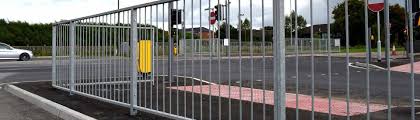
Safety Barriers
Regular maintenance helps safety barriers remain reliable in busy environments. These structures protect people, direct movement, and reduce the risk of accidents. When inspections are on time, minor issues remain manageable, and long-term repairs are more easier to plan. A simple routine allows teams to monitor conditions, record changes, and address faults before they impact daily operations. The following sections outline a straightforward approach that works across different sites and industries.
Understand the purpose of your barriers
Safety barriers serve different roles based on their placement. Some control vehicle movement. Others guide pedestrians or shield workers from hazardous areas. When teams understand why each barrier exists, they focus on the correct features during inspection. This clarity helps prevent missed damage and supports a safer site layout.
Begin with a visual inspection
A quick visual check helps identify issues that develop over time. Teams should scan each barrier for dents, cracks, rust, peeling paint, and loose hardware. These signs often appear early and indicate weakening points. Barriers may also accumulate dust or debris, reducing visibility and increasing wear. Clearing dirt and wiping reflective surfaces keep the barrier easy to see and maintain its intended function. If the barrier supports traffic flow, surrounding signs should also remain clear and readable.
Test the barrier’s performance
A functional check ensures the barrier continues to work as intended. Some barriers include hinges, flexible joints, or spring-loaded parts that require smooth movement. Teams should test these components to confirm they open or bend without resistance. Bolts and anchors must feel secure. Any looseness can affect the barrier’s ability to withstand impact or guide traffic. It also helps to check the space around the barrier and remove items that might interfere with the structure.
Create a regular maintenance routine
A simple schedule helps teams stay consistent with inspections. Daily checks can focus on surface cleanliness and obvious damage. Weekly tasks may include adjusting signs, clearing clutter, and confirming visibility. Monthly reviews can involve tightening fixings, applying protective coatings, and assessing structural alignment. Larger sites may also benefit from seasonal checks to address weather-related wear. A written record of every inspection supports better planning and makes it easier to track repeated issues.
Avoid common mistakes
Ignoring small problems often leads to costly repairs. Minor cracks or loose components become more serious when left unattended. Choosing low-quality replacement parts also shortens the lifespan of barriers. Reliable materials help keep the structure strong and stable. Another common issue is poor placement of barriers or signs, which can create confusion or disrupt movement. Regular reviews help keep the layout effective.
Conclusion
Consistent upkeep keeps safety barriers dependable throughout their lifespan. Simple, regular inspections reduce hazards, strengthen site safety, and prevent unexpected failures. When teams follow a structured routine, they support safer movement for pedestrians, drivers, and workers. Record-keeping, clean surroundings, and timely repairs work together to extend the barrier’s durability. A practical approach to maintenance improves safety outcomes and helps organisations manage their spaces with confidence. If teams build the habit of checking barriers frequently, they ensure every part of the system continues to perform well over time.

