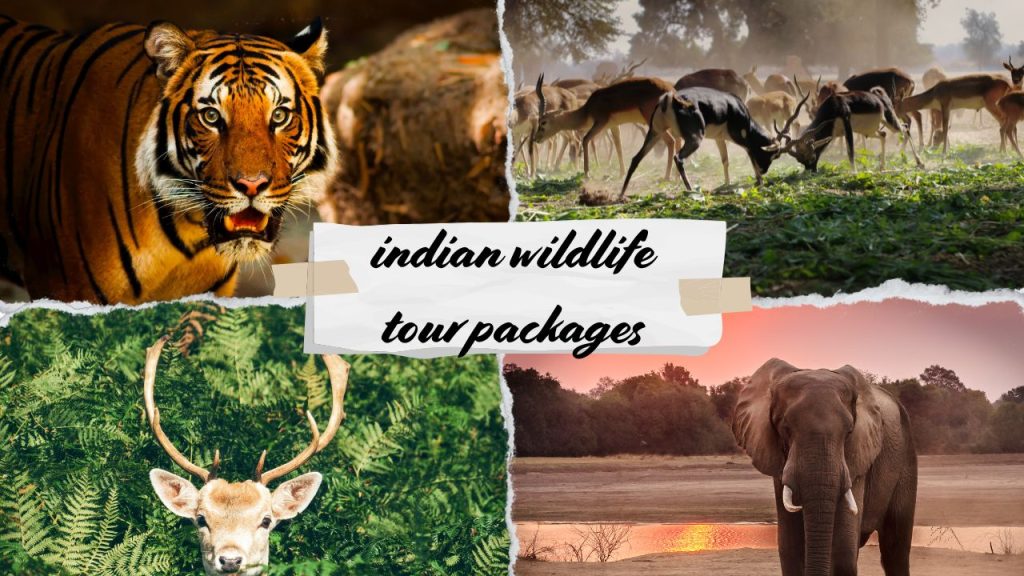
Introduction to Indian Wildlife Tour Packages
India’s wildlife is raw, vast, and incredibly diverse. From dense mangroves to arid deserts, snow-capped national parks to tropical rainforests, every corner of the country hides a different story of the wild. Indian wildlife tour packages bring travelers face-to-face with this unmatched variety—offering real jungle encounters, native species, and environments rarely seen elsewhere.
Whether you’re into big cats, rare birds, or untouched terrain, these packages are tailored for those who want an authentic wilderness trip. In this guide, we take a deep dive into Indian wildlife tour packages—where to go, what to expect, and how to plan the right trip.
What Makes Indian Wildlife Tour Packages Unique
India is one of the only countries in the world where you can track tigers, watch lions roam freely, and see elephants bathing—all in a single country. Indian wildlife tour packages offer a combination of biodiversity and regional cultures, making every trip more than just a safari.
Key highlights:
-
Home to over 500 wildlife sanctuaries and 100+ national parks.
-
Core habitats for Royal Bengal Tigers, Asiatic Lions, Indian Leopards, and One-Horned Rhinos.
-
Tours led by local naturalists and forest experts.
-
Diverse terrains: from Himalayan foothills to the dry grasslands of Gujarat.
Top National Parks Included in Indian Wildlife Tour Packages
Jim Corbett National Park, Uttarakhand
India’s first national park and a constant feature in Indian wildlife tour packages. Known for its tiger population, riverbeds, and sal forests, it offers both jeep and canter safaris.
Wildlife Highlights: Tigers, elephants, gharials, otters, and over 650 species of birds.
Best Season: November to June
Ranthambore National Park, Rajasthan
One of the most iconic tiger habitats, where these big cats are often seen resting near ancient ruins. Photographers and wildlife enthusiasts flock here for its rich forest and stone backdrops.
Wildlife Highlights: Tigers, marsh crocodiles, sloth bears, and nilgai.
Best Season: October to April
Kaziranga National Park, Assam
A UNESCO World Heritage Site and the stronghold of the Indian one-horned rhinoceros. This park is mostly covered in tall elephant grass, wetlands, and riverine forests.
Wildlife Highlights: Rhinos, elephants, wild buffalo, swamp deer, and birds.
Best Season: November to April
Bandhavgarh National Park, Madhya Pradesh
Known for the highest density of tigers in India, Bandhavgarh is a must-visit in Indian wildlife tour packages. The park also contains ancient forts and caves, adding a historical touch to the wildlife journey.
Wildlife Highlights: Tigers, leopards, barking deer, and langurs.
Best Season: October to June
Gir National Park, Gujarat
The only home of Asiatic lions in the world, Gir is a dry deciduous forest filled with teak, flame of the forest, and acacia.
Wildlife Highlights: Asiatic lions, jackals, striped hyenas, and crocodiles.
Best Season: December to March
Types of Indian Wildlife Tour Packages
Tiger-Centric Safaris
For travelers specifically wanting to track tigers, these packages include parks like Bandhavgarh, Kanha, Ranthambore, and Tadoba. Safaris are organized in zones where tiger activity is most frequent.
Who it’s for: Wildlife photographers, big cat fans, and adventure seekers.
Bird Watching Tours
India is home to over 1300 species of birds. Bird-focused Indian wildlife tour packages are ideal for avid birders looking to spot migratory and endemic species.
Top locations: Bharatpur Bird Sanctuary (Rajasthan), Eaglenest Wildlife Sanctuary (Arunachal Pradesh), Thattekad Bird Sanctuary (Kerala).
Family Wildlife Holidays
These packages include a balance of forest safaris, educational nature walks, cultural activities, and comfortable lodgings. The aim is to keep all age groups engaged.
Top picks: Pench National Park, Jim Corbett, and Periyar Tiger Reserve.
Offbeat Jungle Experiences
For those who’ve already done the popular parks, there are lesser-known wildlife circuits in India that offer just as much thrill minus the crowds.
Examples: Satpura National Park, Dudhwa National Park, and Hemis National Park (home to snow leopards).
Best Time to Book Indian Wildlife Tour Packages
While most parks remain closed during monsoon, the dry seasons—October to June—are ideal for safaris. Wildlife sightings are best during the summer months (March to June) when animals gather around water sources. However, the winter months (October to February) are preferred for pleasant weather and birdwatching.
-
Summer: Best for tiger and elephant sightings.
-
Winter: Comfortable for travel, good for birds and herbivores.
-
Avoid: July to September (most parks shut for monsoon)
What to Expect in Indian Wildlife Tour Packages
A well-organized wildlife tour package includes more than just safaris. Here’s what usually comes bundled:
-
Guided jeep or canter safaris
-
Stay at jungle lodges or eco-resorts
-
All park entry permits and charges
-
Naturalist-guided nature walks
-
Airport/station pickups and drop-offs
-
Local meals and campfire evenings
Most packages offer a 2-4 day itinerary per park. For a richer wildlife trail, multi-park packages covering 2-3 parks in a single state or zone are common.
Responsible Travel in Wildlife Zones
A good Indian wildlife tour package emphasizes eco-tourism. That means:
-
No feeding or teasing animals.
-
No playing music or loud talking during safaris.
-
Following park rules regarding photography and vehicle speed.
-
Supporting lodges that invest in forest conservation and community employment.
Many operators now work closely with forest departments and local tribes to maintain low-impact tourism and raise awareness.
Tips for Booking Indian Wildlife Tour Packages
-
Choose government-recognized operators.
Always look for operators registered under state tourism boards or with reputed conservation credentials. -
Book in advance for core zones.
Each park is divided into core and buffer zones. Core zones have limited vehicle entries and better chances of sightings. -
Pack light but smart.
Bring binoculars, neutral clothing, closed shoes, a flashlight, and insect repellent. -
Verify the safari inclusion.
Many budget tour packages exclude actual safari charges to keep costs low. Confirm what’s covered. -
Understand weather and terrain.
Some parks like Kaziranga are marshy and fog-prone in the early hours. Others, like Ranthambore, are dry and dusty. Prepare accordingly.
Indian Wildlife Tour Packages for International Tourists
International visitors can benefit from customized Indian wildlife tour packages that combine wildlife with heritage and regional culture.
Example routes include:
-
Delhi – Corbett – Agra – Ranthambore – Jaipur
-
Kolkata – Sundarbans – Kaziranga – Shillong
-
Mumbai – Tadoba – Pench – Kanha – Bandhavgarh
These trips come with visa support, multilingual guides, curated cuisine options, and tailored stay preferences.
Cost of Indian Wildlife Tour Packages
Pricing varies based on:
-
Number of safari rides
-
Type of accommodation (budget vs luxury)
-
Time of the year
-
Domestic vs international traveler pricing
On average:
-
Budget trips: ₹8,000 to ₹12,000 per person for 2 nights/3 days
-
Mid-range: ₹15,000 to ₹25,000 per person
-
Luxury packages: ₹30,000 to ₹60,000+ per person (with private safaris and premium resorts)
Private group bookings or long tours often qualify for discounts.
Popular Combinations with Indian Wildlife Tour Packages
Many travelers choose to combine wildlife with:
-
Cultural cities (e.g., Jaipur, Varanasi, Udaipur)
-
Spiritual retreats (e.g., Rishikesh, Bodhgaya)
-
Hill stations or beaches (e.g., Munnar, Goa, Coorg)
Tour operators help curate such trips while keeping internal travel easy and efficient.
Conclusion: A Raw Look at the Wild Side of India
Indian wildlife tour packages offer much more than just safari rides—they’re windows into habitats, tribal stories, and natural life at its purest. Whether you want to watch tigers in motion, lions in their last wild refuge, or flocks of flamingos taking flight, there’s a route for you.
As interest in responsible travel grows, Indian wildlife circuits continue to lead the way in offering raw, ethical, and deeply rooted wilderness experiences. Book wisely, travel light, and always respect the jungle.