The president of the United States, Donald Trump, starred in a summit in Egypt on October 13 in which he signed the truce for Gaza and in which he boasted of ending 3,000 years of conflict in the region. Far from the walls of the Oval Office that have heard him repeat the same idea ever since, the reality on the ground in the Strip is that of residents who lack fundamental rights and needs, and that of a ceasefire with a path to peace so unlikely that Kim Ghattas, an expert on the region, writes in The Financial Times about the “dissonance between what Trump thinks he is achieving” and reality.
The first phase of Trump’s roadmap is practically completed. Hamas has returned almost all of the 48 live and dead hostages it had in its possession, and Israel has reciprocated with the return until Monday of the remains of 315 Palestinian prisoners, of which only 91 could be identified as they were fragmented or decomposed. All while the major hostilities have ceased and the Israeli authorities have allowed a slight increase in the humanitarian flow, although far from what the agreement requires and the absence of restrictions that the International Court of Justice demands.
Now it is time to establish the future, where Israel – which aspires to maintain the occupation – and Hamas – which longs for a Palestinian State – are irreconcilable. The second tranche of Trump’s proposal, yet to be agreed upon, brings together general principles that vaguely link the disarmament of the militia and progress in the Israeli withdrawal with the deployment of an international force and the emergence of a governance model with foreign participation. But different things could go wrong.
The plan could stall if the US fails to recruit volunteer countries to join the international force (ISF). The 15 members of the UN Security Council have been negotiating since last Wednesday a proposed US resolution that is expected to give the ISF a mandate and a mission.
The first stages of the cessation celebrated in Sharm el Sheikh have left a Gaza without massive bombings, but in conflict—Ghattas describes it as a “controlled war”—. They have also left two million Palestinians languishing inside the Yellow Line, a new wall that encapsulates them in less than half of the Strip, often described as the most densely populated place on the planet.
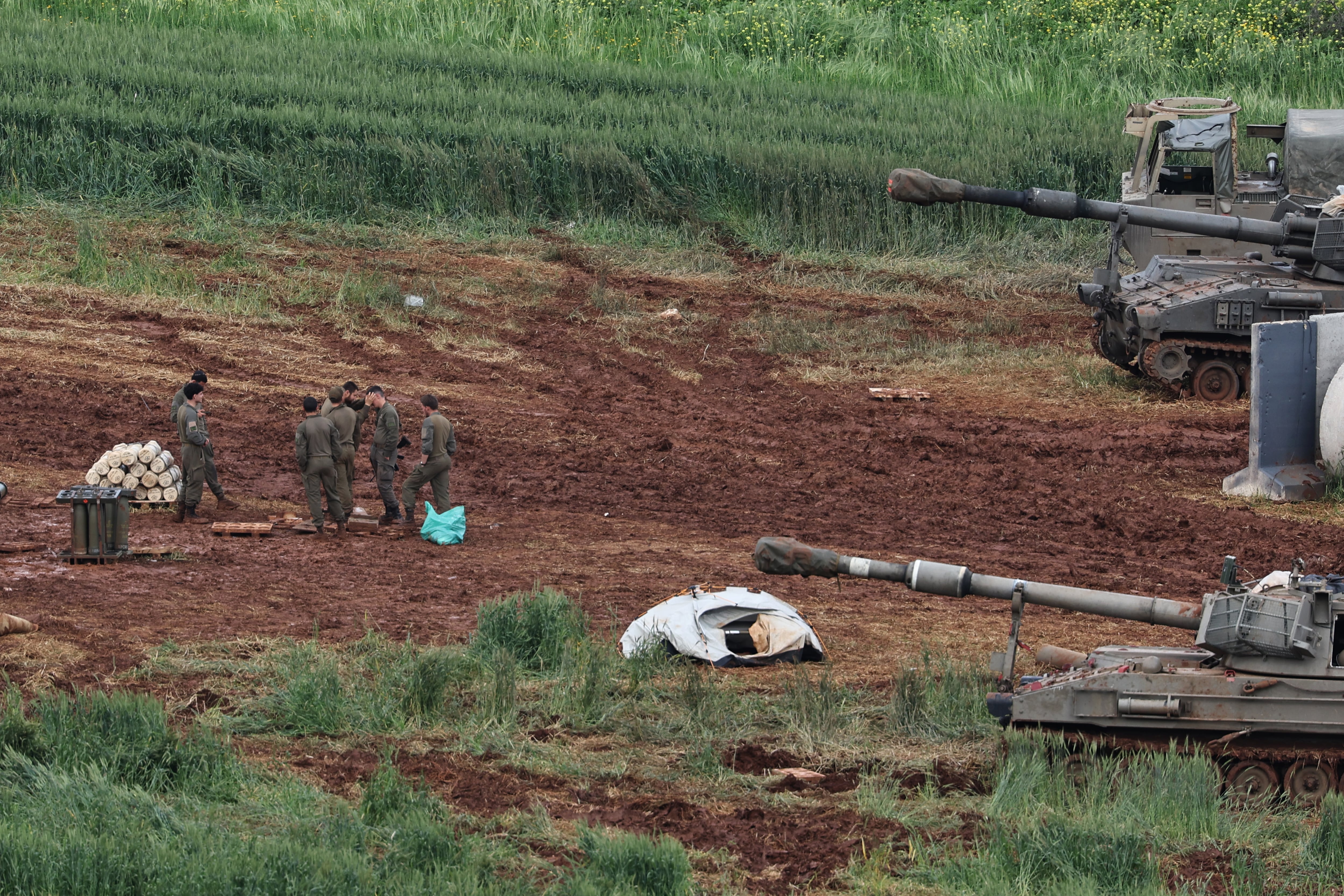
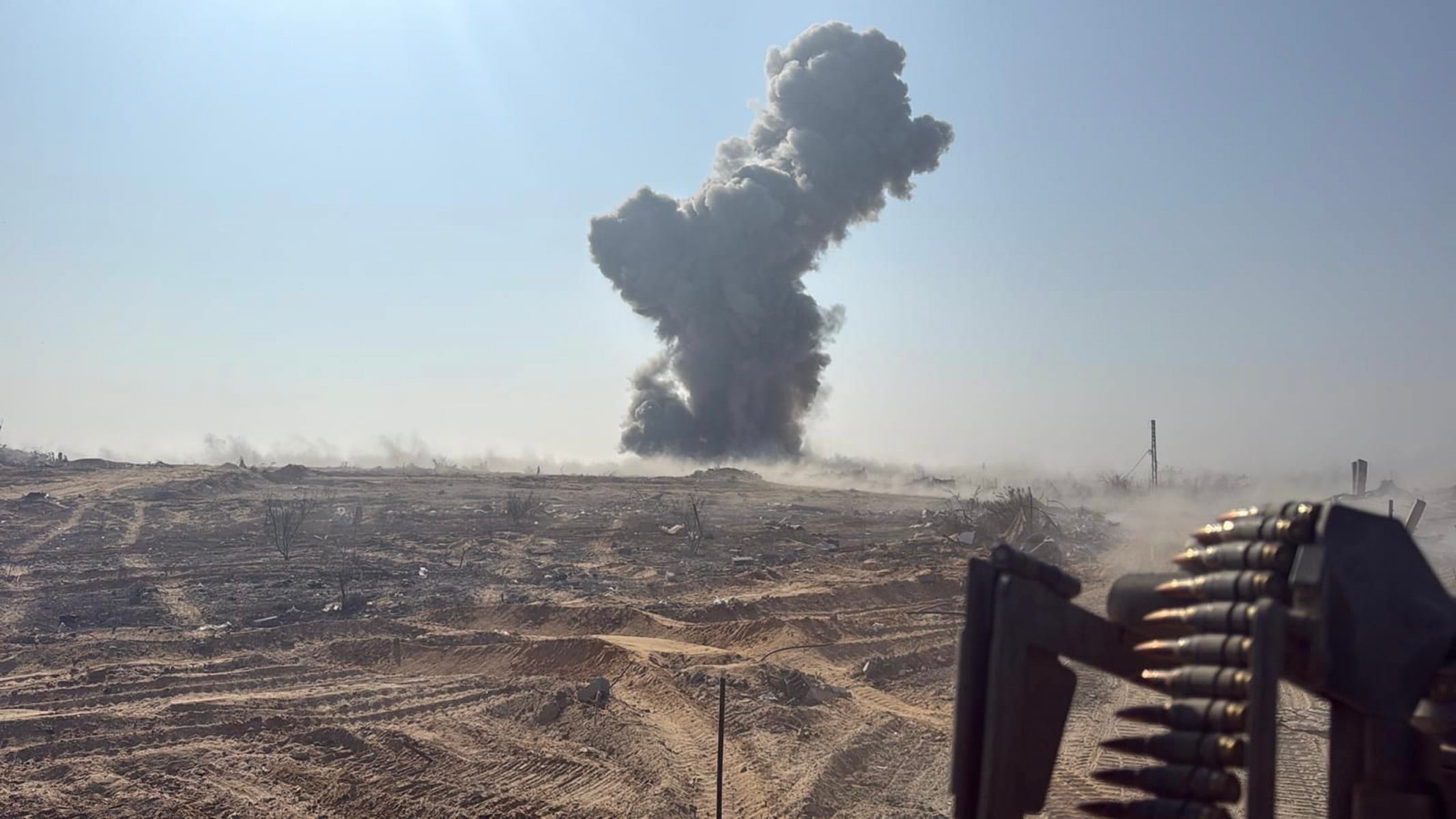
Meanwhile, to the east of that barrier, which will remain until progress is made in the disarmament of Hamas, 53% of the enclave is a desert of rubble prohibited for Palestinians and patrolled by Israeli soldiers. Shaina Low, from the Norwegian Refugee Council, tells EL PAÍS that one and a half million Gazans require help to have a roof over their heads.
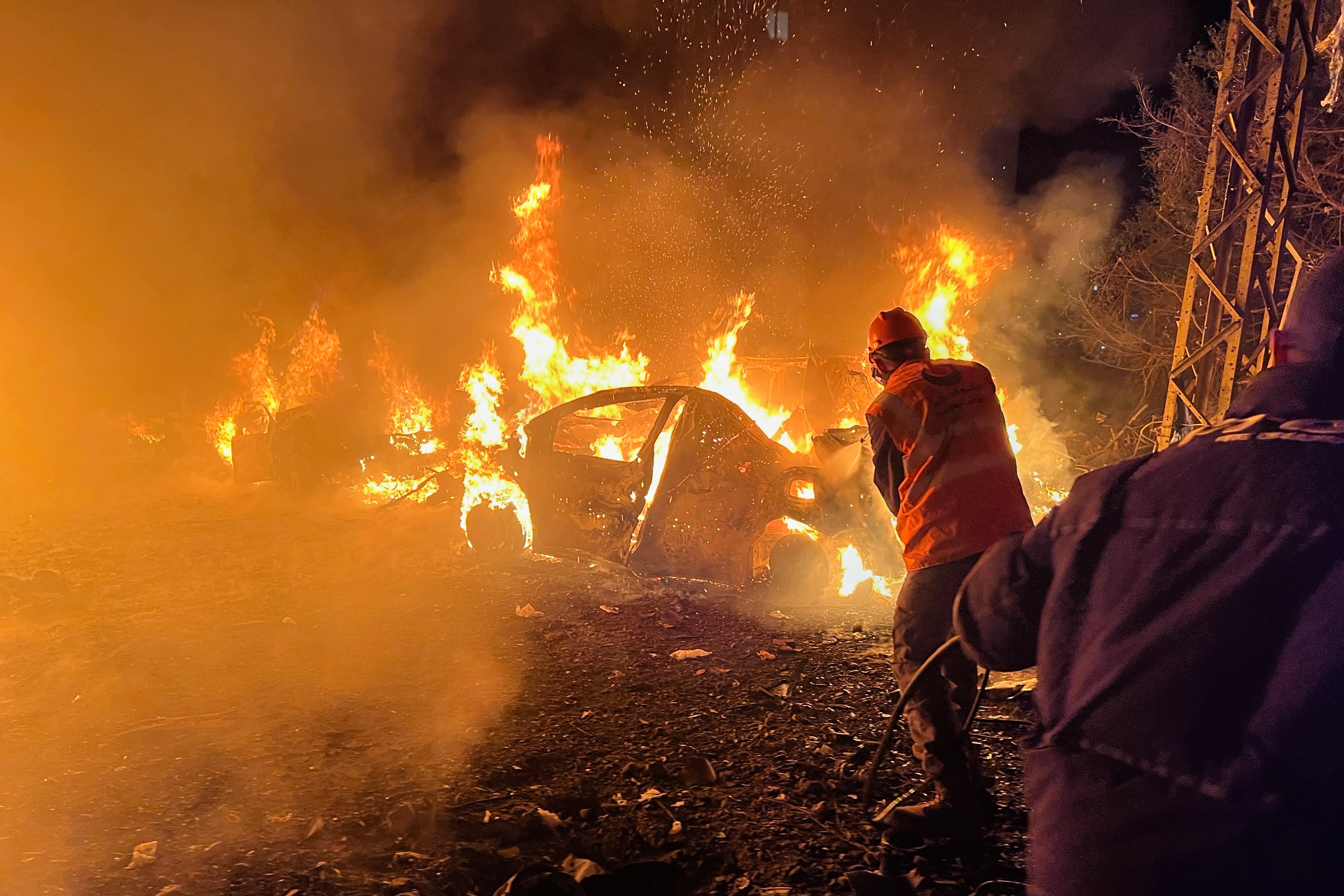
Despite the truce, Israeli shrapnel has killed at least 242 Palestinians, Gaza authorities reported Tuesday, and the Israeli army reports sporadic attacks by Palestinian fighters. The Trump Administration claims that the skirmishes are foreseeable, but its members do not take their eyes off their Israeli partner. Two of them – special envoy to the region, Steve Witkoff, and Trump’s son-in-law and adviser, Jared Kushner – have been in Israel again as of Tuesday to keep the project on track.
The White House is aware that the truce has obstacles ahead that could sink it before it becomes permanent. Imminently, Hamas has yet to return the remains of four deceased hostages — three Israelis, one Thai — while the captives’ families demand Israel abandon the ceasefire if there are any bodies to be returned. In parallel, Kushner would be intervening in the negotiation to offer safe passage to 200 Hamas fighters trapped in the Gazan half controlled by Israel when Orit Strock, Israeli Minister of Settlements, asks that they not be allowed to escape.
The jump to the second phase
The candidate countries to join the ISF trust that the future resolution – which the US expects in weeks – will answer what Trump’s proposal leaves in the air: Who will disarm Hamas? The Palestinian militia still has tens of thousands of fighters—many young and inexperienced recruited during the conflict.
“Where does the ISF fit into the disarmament continuum? Isn’t that the crux of the issue?” asks David Schenker, an analyst at the Washington Institute for Near East Policy and Trump’s first-term adviser. “These states do not want their nationals to be in danger or to be the ones to disarm Hamas,” he argues for the Israeli newspaper Haaretz.
Although the resolution exempts the ISF from confronting Hamas, disappointment in negotiations for the militia to hand over its arsenal would invoke Israeli heavy-handedness. Netanyahu remembers it on every occasion, Trump does not rule out that scenario and Kobi Michael, senior researcher at the Israel Institute for National Security Studies and the Misgav Institute for National Security and Zionist Strategy, sees it as inevitable.
“Hamas will not disarm,” he explains to EL PAÍS by phone. “Israel gives space for the US to try peacefully. I wish them luck. When they come to the conclusion that there is no partner on the other side, I assume they will legitimize the use of Israeli force.”
The most likely scenario is stagnation. “The Israeli army will remain deployed” in the 53% of the enclave east of the Yellow Line, “which will be empty of Palestinians,” and will wait “for the right moment to resume the offensive against Hamas.” Point 16 of Trump’s plan allows Israel to remain in the enclave until “Gaza no longer represents a threat”, an interpretable element that it uses in Lebanon to bomb daily despite the truce.
Real estate projects
Another element that can deteriorate the path to stability is the desire to divide Palestinians – even more – through real estate projects. US Vice President JD Vance and advisor Kushner anticipated in October from Israel that reconstruction could begin immediately in the Israeli-controlled half of Gaza, while the other side is denied. “The idea,” Vance said, is to “start rebuilding” in that area and “bring Gazans to live there and have good jobs, security and comfort.”
The project, which probably occupied Witkoff and Kushner this Monday in Israel, is coming to fruition. The United States plans to build homes for 25,000 people, which will be a pilot test of something called “Safe Alternative Communities,” according to the American media. Atlantic on Monday. Israeli intelligence would veto residents based on their ties to Hamas using unknown criteria.
The idea is reminiscent of the Riviera that Trump delivered in February. Point 10 of the plan calls for developing Gaza with experts who have promoted “miracle cities,” and the proposed resolution presented to the UN grants the Peace Board — which would supervise the governance of the enclave and which Trump would preside over — the authority in reconstruction, according to Reuters, which has accessed the text.
Tamir Hayman, former head of Israeli military intelligence, sees it as the same occupation in a different package. “Every suspect who passes (to the other side) should be monitored 24 hours a day and checkpoints“, declares to The New York Times. “Hamas would try to infiltrate and launch attacks from within as resistance to the occupation.”
The secretary general of the UN agency for Palestinian refugees (UNRWA), which the US and Israel want to prohibit from accessing the Strip, asked this Monday that the Yellow Line not become “a greater fragmentation” in Gaza or further divide Gazans from West Bankers.
For more updates, visit our homepage: NewsTimesWire