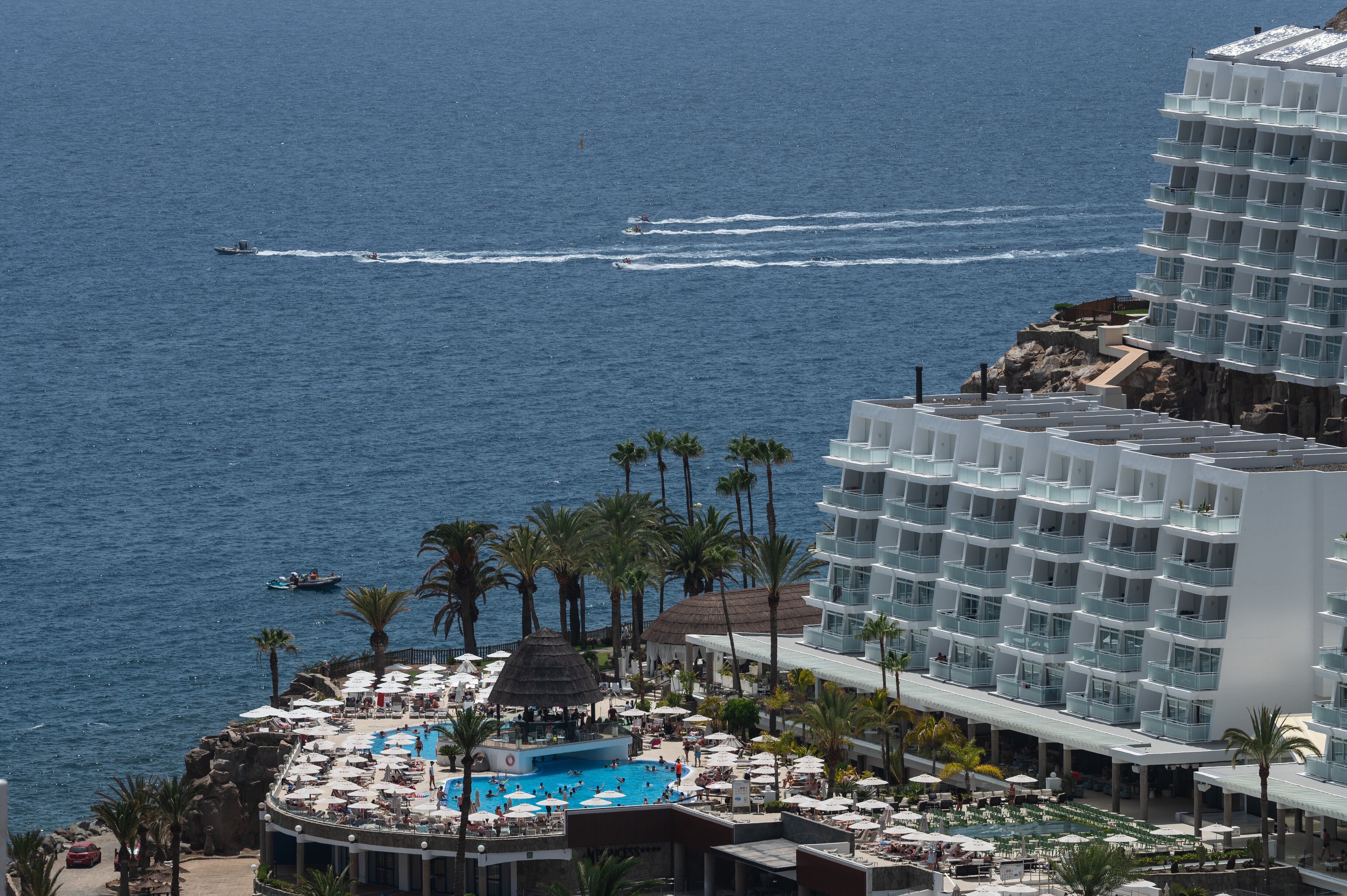
The lack of labor has become a recurring problem for entrepreneurs in the tourism sector since it reopened its doors after the COVID. After the 2020 hill, many hospitality companies had to get used to having a large part of their troops change their activity and did not want to resume the service in hotels and restaurants. A situation that has remained over time and that has been aggravated by the good progress of employment and by the enormous increase that has suffered the price of housing, which have transformed the search for seasonal employees into an obstacle race.
Although at first many entrepreneurs were forced not to dispense all their services in summer because of the lack of personnel, with the tourism bum they began to accommodate their workers in the dependencies of the Hotels OA to facilitate accommodation in hostels or apartments in the case of restaurants and bars. An especially pressing situation in the Balearic Islands and the Canary Islands, where the residential offer has strengthened drastically with the thrust of tourist housing, which has been one of the incentives to foster tourism.
Five years after the pandemic, “in Spain, especially in the archipelagos, there are serious problems to find staff,” maintains the head of Barceló Hotels, Raúl González. The tourism sector continues to expand and reaches new historical maximums in number of affiliates: with 2.9 million registered, according to CaixaBank Research, a growth rate higher than the economy as a whole, although moderating.
Barceló, like other hotel chains, continues to house many workers in their own establishments. And now, in addition, he rents floors or blocks so that they can live, as do restoration companies. The rent sometimes pays it entirely, others together with the employee and others is paid by the worker, González explains.
However, after the years, companies have been forced to seek new solutions to the housing problem of their workforce. And there are already hotel chains that are building residential buildings for their templates. Spring Hotels is one of them. The Canarian company that has just won the game to Amancio Ortega with the purchase of the Mare Nostrum Resort complex of Tenerife has acquired two buildings in structure from the brick crisis for 2.3 million euros to turn them into homes for their workers, explains Miguel Villarroya, his CEO.
“In the Canary Islands we have a very serious problem with the tourist model that we have created, based on the holiday rental. In Arona and Adeje, for example, there are 11,000 holiday rental homes and only 300 available for long -term rental. And prices have skyrocketed: they rise 10%, while salaries only do 3%or 4%. The model has perverted in such a way that the possibility that workers have access to housing,” “We pay 1,600 or 1,700 euros per month, but they have to pay 700 or 800 euros for rent, salaries are not competitive,” he warns.
Canary Islands and Balearic Islands
That is why Spring has decided that his social contract includes housing, says the manager. “We have bought tourist floor that we want to develop. It would be a disaster to do it without staff,” he adds. The company has anticipated its future needs with these two buildings in structure and construction license for 32 and 75 homes. “We want to be part of the solution,” says Villarroya, which will invest between 12 and 16 million euros in them. The first 32 -story two -and -three floors will be ready in a year or a year and the company’s claim is to rent it to its intermediate controls. The other will go to base personnel. The company will lease its workers at prices between 200 and 400 euros per month. “And we are looking at other buildings, but it is difficult to find them with a valid construction license.”
Meliá Hotels International is also for the work. And he has made several movements. He has signed a purchase option of a hostel in Menorca, the island where they have greater difficulties, and has acquired land to allocate them at home from its employees for several million euros. One of these plots is in Santa Eulalia (Ibiza). The president of the company Gabriel Escarrer rules out commenting on the location where they will raise the most important promotion. As their size or investment they will allocate.
The company seeks more land in both Balearic Islands and the Canary Islands or the Costa del Sol. “We are giving housing solutions that governments are not providing. Which shows that there was no correct planning and that the situation has been aggravated with the holiday rental,” says the president of Meliá, who adds that these homes will be offered to employees for free, as they currently do in their hotels.
And in the Balearic Islands there is an unprecedented housing crisis, according to the head of the Hotel Federation of Mallorca, Javier Vich. Since 2000 the population and housing have grown by only 21%, he says. “And this has a responsible: someone who could not plan.” “We want to do the hoteliers responsible for the housing crisis, but the culprits are our rulers,” says Escrerer.
The Executive is also concerned about the high index that has reached absenteeism in the industry, which Vich quantifies in 14.7% in the hotel sector compared to the average of 5.6% of the Balearic Islands. From the same opinion is José María Mañaricúa, president of the Federation of Hospitality and Tourism Entrepreneurs of Las Palmas, where 15% of the templates are low, he says.
In his opinion, in the Canary Islands the drama of the house is pressing, as of the lack of public transport, “and it is a public management problem.” Mañaricúa is the Operations Director of the Gloria Thalasso & Hotels chain, another of the companies that have bought land to be able to build homes for their workers in Lanzarote. The plot has capacity for 60 homes, explains the executive. At the moment, the company does not have the necessary capital to address at the same time the 350 -room hotel that raises on that island with an investment of about 90 million euros and undertake the residential works, which could have a cost of about 12 million, it continues. But as soon as they have financing capacity they will execute them, he says.
These are some examples, but there are more companies determined to contribute to solve the problem of housing of their seasonal workers. This is the case of Palladium or that of the Socimi Atom, among others, as indicated in Exceltur.
For more updates, visit our homepage: NewsTimesWire
https://elpais.com/economia/negocios/2025-07-14/las-empresas-hoteleras-se-lanzan-a-poner-pisos-a-sus-trabajadores.html