By Darren Botelho — NBC Boston
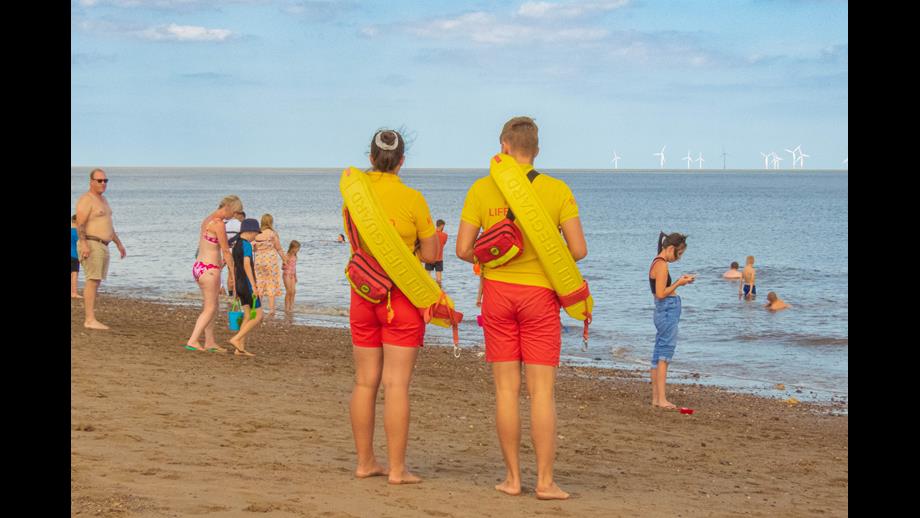
Massachusetts is entering the summer of 2025 with a critical shortage of lifeguards, prompting an urgent call from state agencies, city governments, and local recreation leaders.
From Boston to Worcester, and across the Merrimack Valley, many public pools and beaches are at risk of limiting hours or closing altogether unless more lifeguards are hired and trained quickly.
📉 Statewide Staffing Concerns
-
The Massachusetts Department of Conservation and Recreation (DCR) reports that ten state-run aquatic sites in the greater Boston area are still in need of staffing.
-
In Lawrence, two public pools remain severely understaffed.
-
Last summer, Higgins Pool was forced to shut down temporarily due to lifeguard shortages—an outcome officials are trying hard to prevent this year.
💵 What’s Being Offered to Help
To attract more applicants, the state is rolling out generous incentives:
-
Up to $27/hour for experienced lifeguards
-
Retention bonuses for those who work through Labor Day
-
Free lifeguard training and certification courses, removing a major barrier to entry
🤝 Local Partnerships in Action
-
In Worcester, a collaboration with the YMCA has proven successful. The YMCA is managing lifeguard training, hiring, and deployment, helping to ensure local pools stay open.
-
This model is now being studied for replication across other cities and counties.
🎓 Education & Training Access
Several education institutions and local organizations are stepping up to help build the pipeline of certified lifeguards:
-
Bunker Hill Community College and Springfield Technical Community College are exploring summer lifeguard training electives.
-
Local high schools are being encouraged to offer certification as part of PE or health class enrichment programs.
-
Boys & Girls Clubs, YMCAs, and city recreation centers are hosting lifeguard bootcamps for teens 15+.
✅ Best Lifeguard Certification Providers
For those new to lifeguarding or looking to recertify, here are the top organizations offering nationally recognized training:
-
American Red Cross
-
Offers full training in lifeguarding, CPR, AED, and first aid
-
Most widely accepted certification across public and private sectors
-
Scholarships available in select cities
-
-
American Lifeguard Association (ALA)
-
Provides hybrid/online and on-site training
-
Great for flexible scheduling and group classes
-
Strong in private aquatic facilities and clubs
-
-
YMCA Lifeguard Program
-
Often integrated into youth development programs
-
Accessible and affordable, especially for teens
-
🔧 Solutions to End the Shortage
To address the long-term shortage, experts recommend:
-
Creating state-funded lifeguard corps programs modeled after AmeriCorps
-
Embedding certification opportunities in school-to-career pathways
-
Hosting community-based training camps during school holidays and spring break
-
Partnering with employers to offer paid time off for lifeguard training
-
Expanding outreach to underrepresented groups, including bilingual swimmers, women, and low-income youth
📌 How to Apply
-
Applicants must be 16+ and able to pass a basic swim competency test
-
Or contact your local YMCA, Boys & Girls Club, or municipal pool director
💡 Why It Matters
Lifeguards are the frontline of aquatic safety—their presence saves lives.
A single certified lifeguard can prevent drownings, administer emergency care, and educate patrons on water safety.
With rising heat and high demand for public swimming areas, Massachusetts must act quickly and invest smartly to keep its pools and beaches open—and safe.
🖋️ About the Contributor:
Benjamin Owen Leo is a civic journalist and public safety advocate specializing in youth training, recreation leadership, and emergency services workforce development. He reports on community-driven solutions to staffing gaps in education, health, and public infrastructure.
Must Visit: News Times Wire