30 years ago, when Gabriel García Márquez created the Gabo Foundation (formerly FNPI) and promoted the creation of important organizations in Colombia such as the Foundation for Press Freedom (Flip), transformed the way of exercising “the best trade in the world” in Latin America. In his time as a young reporter, the author of One hundred years of loneliness He learned journalism in the gatherings of the writing rooms, in the printing workshop and in the night coffees. There were neither schools nor workshops, nor practically organizations that would boost and defend an office that today threatens misinformation, artificial intelligence, political persecution and changing challenges of sustainability.
Therefore, the work of multiple journalistic organizations, apart from its specific agendas, includes a constant reflection that the Colombian journalist María Teresa Ronderos (Bogotá) considers “existential”. “What will be our new ways, not only to survive from the economic point of view, but to survive as a service to the community?” He asks. The director of the Latin American Journalistic Research Center (CLIP) also says that “around the world journalism lives a very critical moment.” With the arrival of AI, “the economic model, which was already broken, broke again.” International cooperation and donations, which support part of independent media projects, face dentalization.
Many media run the risk of disappearing. The general director of reporters without borders (RSF), Thibaut Bruttin (France), agrees: “We are living a moment that requires protecting journalists, who are in the eye of the storm, but also protect journalism and start building a future,” he says. Bruttin considers that freedom of the press can be thought from a different angle. “RSF defends the idea of the right to reliable information. This is something that could reach the heart of the public. After all, what matters is, obviously, the security of journalists, but also the ability of citizens to make decisions about politics, but also about economy, education and health, and for that there is nothing better than (the knowledge of) the facts.”
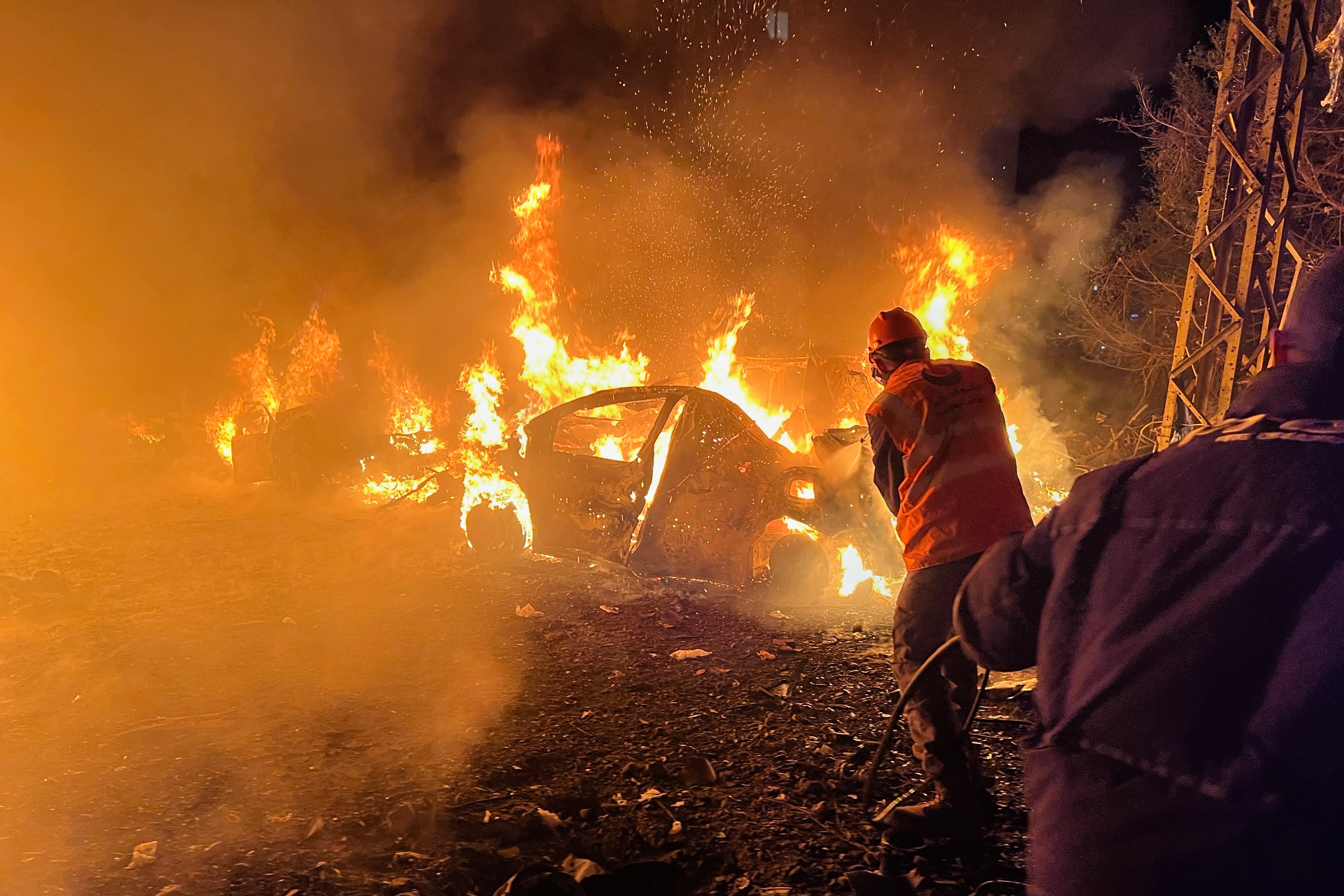
The Coordinator for Latin America of the Committee for the Protection of Journalists (CPJ), Cristina Zahar (Brazil), also refers to the lack of protection of reporters. “Worldwide, they are attacked and threatened,” he says. “It does not matter if the government is from the right or on the left; the journalists suffer physical and online aggressions, with stigmatization and discredit campaigns, often originated in the power itself. They also suffer judicial demands with the aim of intimidating them and silencing them, death threats, attacks during the coverage of protests, arrests and even the most serious form of censorship, which is the murder.
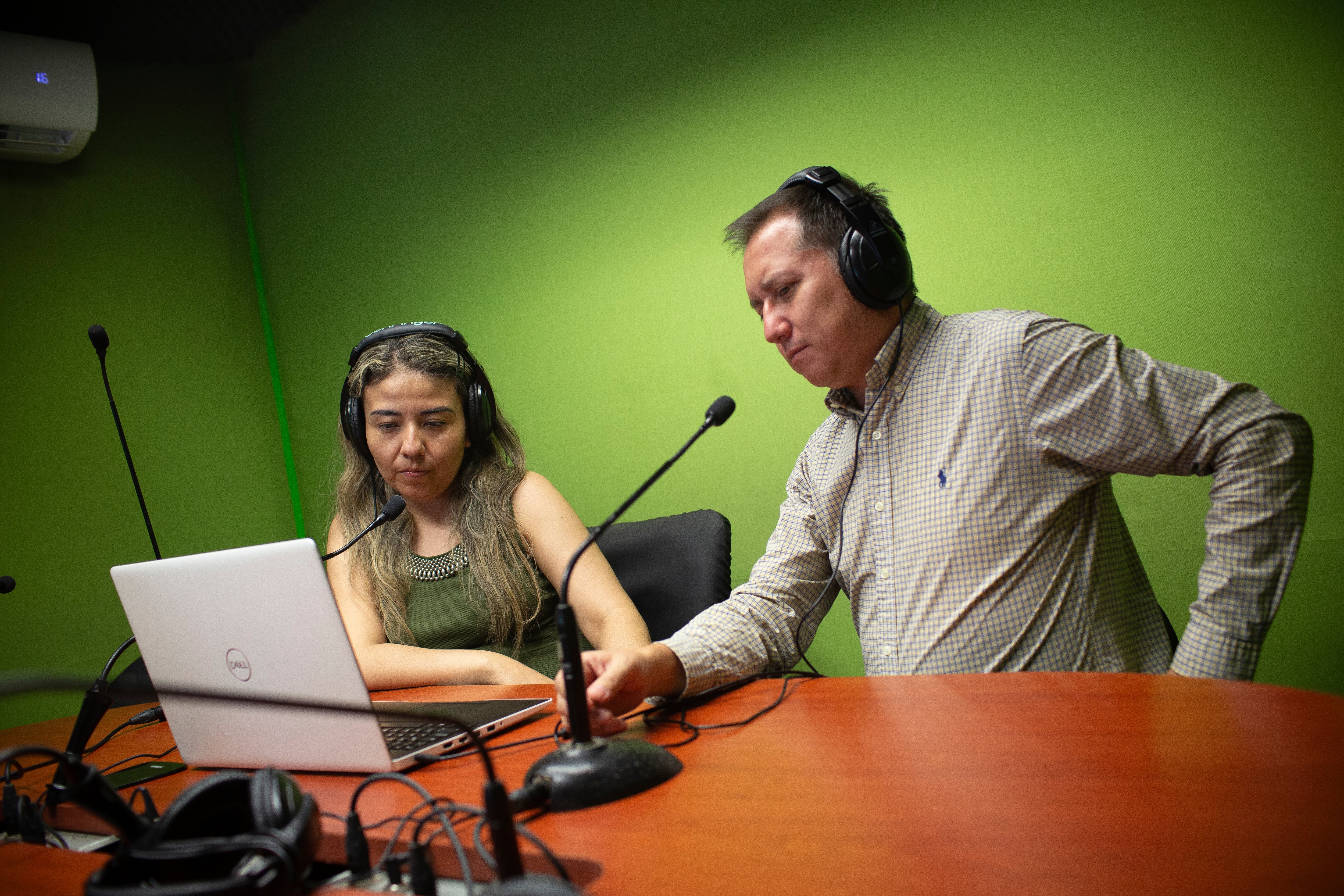
Ronderos, Bruttin and Zahar integrate the list of more than one hundred guests of the thirteenth edition of the Gabo Festival, the event organized by the Gabo Foundation that is held this year completely free from July 25 to 27, for the fourth consecutive time in Bogotá. In the agenda 40 international organizations converge, half of which promote journalism from diverse approaches. His coexistence is decisive with the challenges facing journalism today. This year, the Digital News Report, the annual report of the Reuters Institute, said that news evasion has increased and the media business model deteriorates. Given this, organizations leaders propose to renew the trusted pact with audiences, promote alliances (which in Latin America have been a sign of vitality of media and reporters), establish measures to exercise journalism safely and find structural solutions to continue existing.
Ronderos mentions the importance of doing a journalism that cannot be easily replaced by an algorithm, or that puts the algorithm at the service of journalism. This implies thinking about the information offered to the public and what audiences need. The conversation with the audiences must be “round trip.” “Many media audiences know much more than the medium itself and that the journalist,” he says. It is “the great challenge: change the relationship with them.”
According to Bruttin, “we need to restore confidence between the public and the media.” Therefore, it suggests going beyond media literacy, which is only part of the solution. “We also need to have a transparency effort by the executives of the media and the means to open to the public.” The restoration of trust, a point of view in which numerous organizations insist, is necessary in the midst of the “global offensive against journalism”, in which the lack of regulation of social networks and economic weakening has a huge weight. The RSF director also insists on a dialogue in both directions, in which journalism and the public are. “We need to get involved in a dialogue that is fruitful,” he says.
Promote the collaboration and protection of journalists
The Gabo 2025 Festival Agenda presents meetings on how to combat misinformation, journalistic renewal and ethics that must also cross the use of artificial intelligence. Of course, it also addresses García Márquez’s legacy, which in addition to his fiction and journalistic works insisted on the professionalization and creation of solid organizations that defended journalists and journalism. In other words, as a teacher and creator of projects, he promoted an ethic of collaboration.
Ronderos says that this is part of the advantages of Latin American journalism, the ease with which journalists in the region collaborate with each other. “In Latin America the media, even the private ones who compete, are very generous in allying with other media and making joint strategies of different kinds.” In addition, “Latin American journalism is incredibly bold, creative and resilient.” In the continent “there is a passion and a force that, although it may exist in other parts, here is very strong.” In the case of Clip, it manifests itself through a “radical collaboration”, in which the journalists who investigate what they find and each one takes out of a “community pot” what they need for the audiences.
The “disadvantage” behind this strength is the growth of authoritarianism, repression and restrictions on accessing information in various parts of the world. It is pursued military, judicially or police in journalism in places like Cuba, Nicaragua, Venezuela; In countries like Mexico and Colombia, journalists murder; And in the United States, journalists suffer from informative opacity and stigmatization of the Donald Trump government. Ronderos says that a way to face this disadvantage is to use the best qualities of the trade: audacity, creativity and the ability to work as a team, again.
A devastating example of violence against journalists has been seen with the 200 journalists killed in Gaza. Reporters Without Borders made a global media and journalists call to raise his voice about this massacre. “We need to organize solidarity between the profession,” says Bruttin. That “form of brotherhood is really important, because we need all perspectives and voices, regardless of the size and location of the medium, to support journalists at risk.”
Zahar affirms that journalists have to be given conditions so that they can exercise their work safely and without fear of reprisals. Which includes creating, in addition to protection programs or mechanisms, laws that guarantee a safe environment so that citizens of each country have access to a free and independent press, which could guarantee “a healthy democracy.”
For more updates, visit our homepage: NewsTimesWire
https://elpais.com/america-colombia/2025-07-26/los-periodistas-de-america-latina-buscan-recuperar-la-confianza-de-sus-lectores.html